TOS Learning Management Systems
Site blog
Daily Reflection
November 11, 2025
"Do not be anxious about anything, but in every situation, by prayer and petition with thanksgiving, present your requests to God. And the peace of God, which transcends all understanding, will guard your hearts and your minds in Christ Jesus."
Philippians 4:6–7
What kind of world are we building when we choose compassion over revenge?
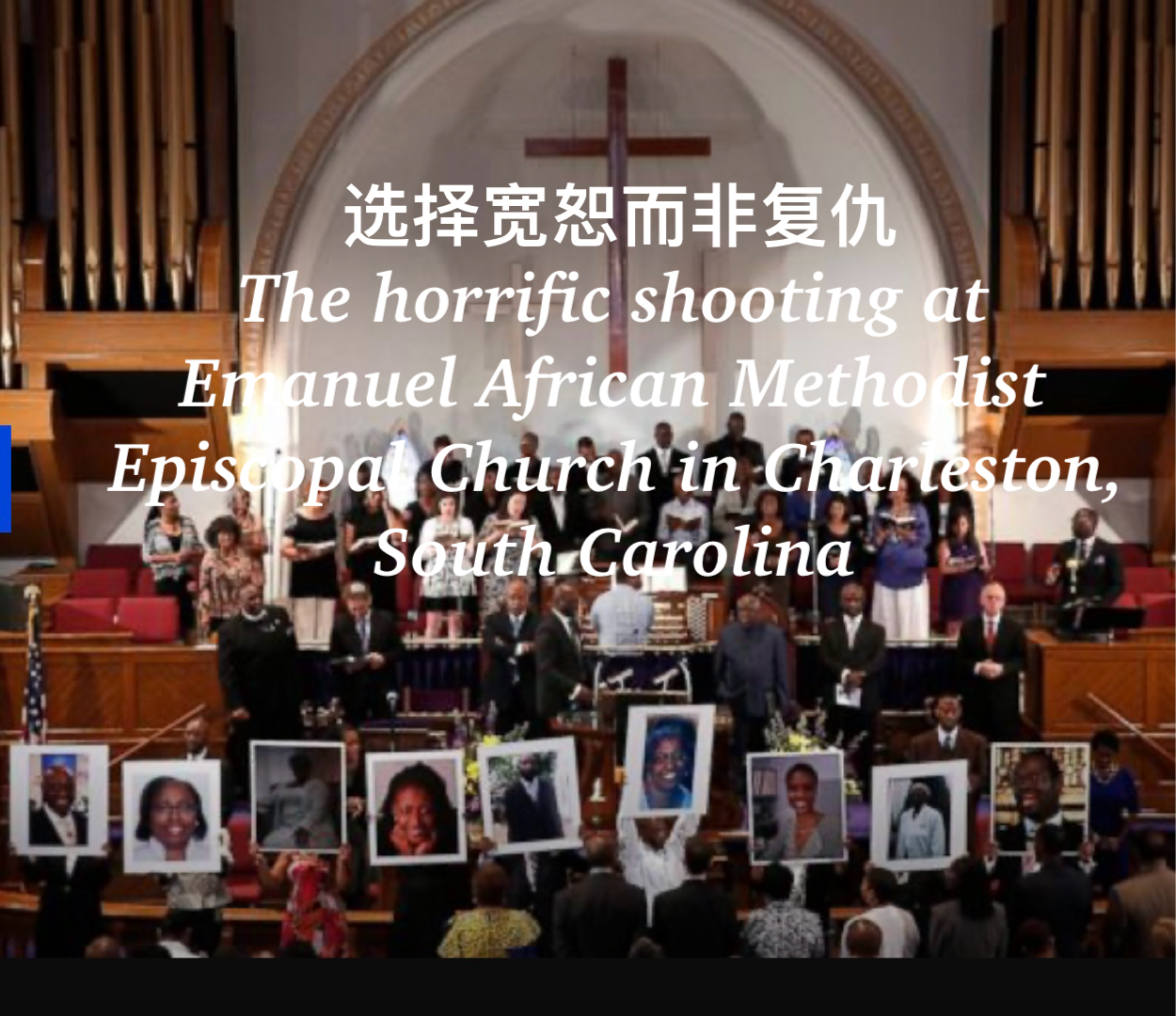
On June 17, 2015, a 21-year-old white man stormed into the Emmanuel African Methodist Church in Charleston, South Carolina, and opened fire during a Bible study, killing nine Black worshippers, including Nadine Collier's mother, Ethel Lance.
At the killer's first court hearing, the victim's family was invited to speak. Many expected to hear words of anger, condemnation, and hatred. However, Nadine stood before the man who had taken her mother's life and calmly uttered words that shook the entire room: "You took something extremely precious from my life, but I forgive you. You hurt me, and you hurt many others. May God have mercy on your soul."
Her response was not out of weakness or escapism, but from a profound faith—a peace that transcends reason. Nadine chose not to let hatred define her; she chose forgiveness.
This moment invites each of us—regardless of belief—to consider the possibilities that forgiveness can bring. Forgiveness does not erase pain or injustice, but it can break the cycle of revenge, freeing the wounded from their wounds and opening a path to healing for a broken world.
For the survivors of Charleston, their grief became a testament, their forgiveness a silent resistance to hatred, and their faith a source of strength that many still find difficult to comprehend.
Philippians 4:6–7 reminds us that the way from anxiety to peace is to surrender our worries to God in prayer of thanksgiving. When we trust in Him, His peace, which transcends human understanding, will strengthen and protect our hearts in Christ.
Forgiveness may not be able to change the past, but it can change the future.
DAILY REFLECTION
"Do not be anxious about anything, but in every situation, with prayer and petition, with thanksgiving, present your requests to God. And the peace of God, which transcends all understanding, will guard your hearts and your minds in Christ Jesus."
Philippians 4:6–7
What kind of world do we build when we choose mercy over revenge?
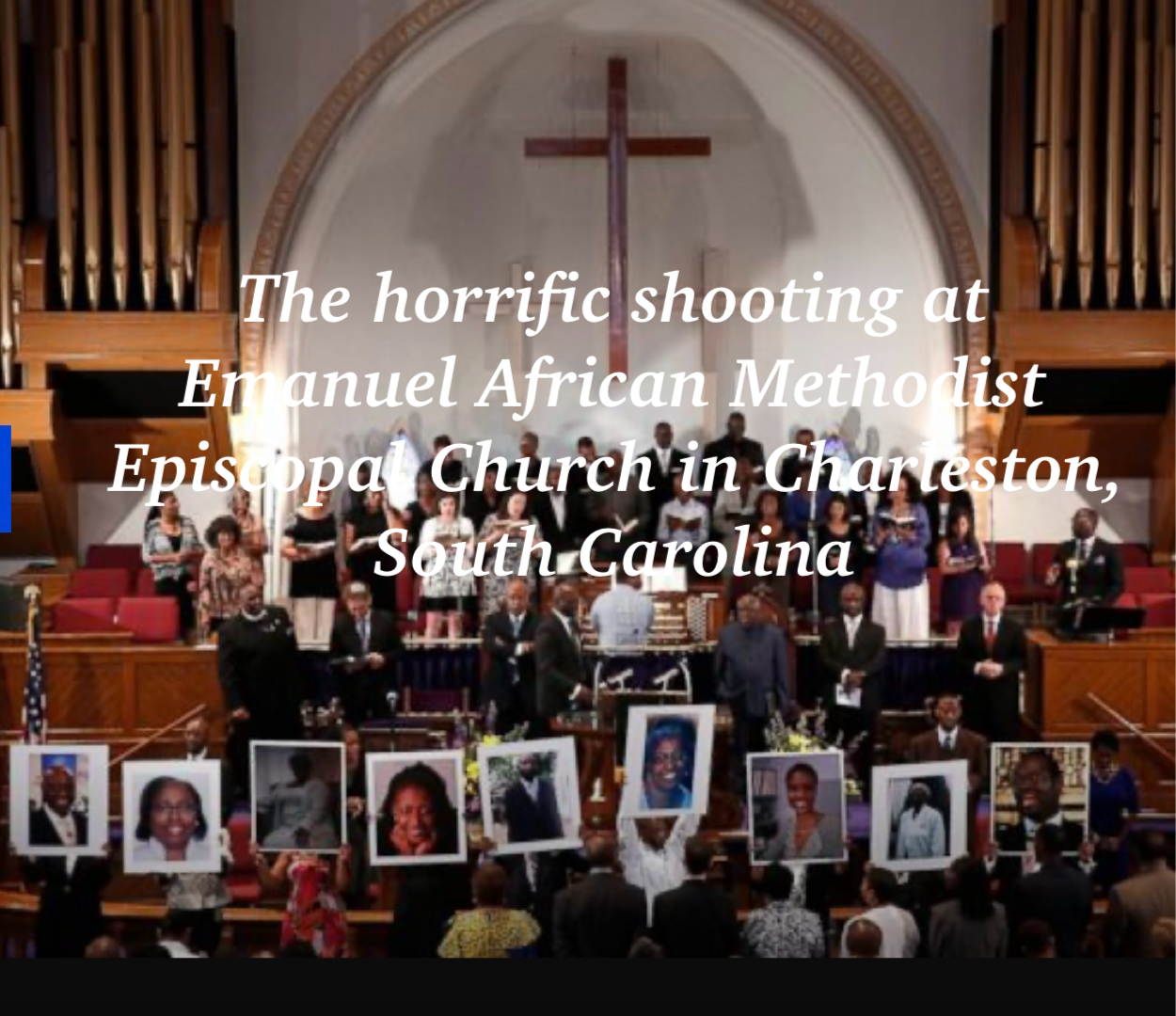
On June 17, 2015, a 21-year-old white supremacist entered Emanuel African Methodist Episcopal Church in Charleston, South Carolina, and opened fire during a Bible study. Nine Black worshippers were killed—including Ethel Lance, the mother of Nadine Collier.
At the shooter’s first court hearing, the victims’ families were invited to speak. Many expected anger, condemnation, and rage. Instead, Nadine stood before the man who had taken her mother’s life and said words that stunned the courtroom:
“You took something very precious from me, but I forgive you. You hurt me. You hurt a lot of people. But may God have mercy on your soul.”
Her response wasn’t born of denial or weakness. It came from a place of deep conviction—a peace that defied logic. Nadine chose not to let hatred define her. She chose forgiveness.
This moment invites all of us—regardless of belief—to consider what forgiveness makes possible. It doesn’t erase pain or injustice, but it breaks the cycle of vengeance. It frees the wounded from being chained to their wounds. It opens a path toward healing, even when the world feels shattered.
For the Charleston survivors, their grief became a testimony. Their forgiveness became a quiet resistance to hatred. And their faith became a source of strength that many still struggle to understand.
Philippians 4:6–7 teaches that the path from anxiety to peace is prayerful trust in God. When we surrender our worries to Him with gratitude, His peace — beyond all comprehension — fills and steadies our hearts in Christ Jesus.
“Forgiveness may not change the past—but it can transform the future.”
Daily Reflection
“You do not know what tomorrow will bring. What is your life? You are a cloud that appears for a little while and then disappears.”
James 4:14
We often assume that tomorrow will definitely come, but the truth is, no one can predict what will happen in the next hour. Life is beautiful, but also fragile, and there is never any absolute certainty.
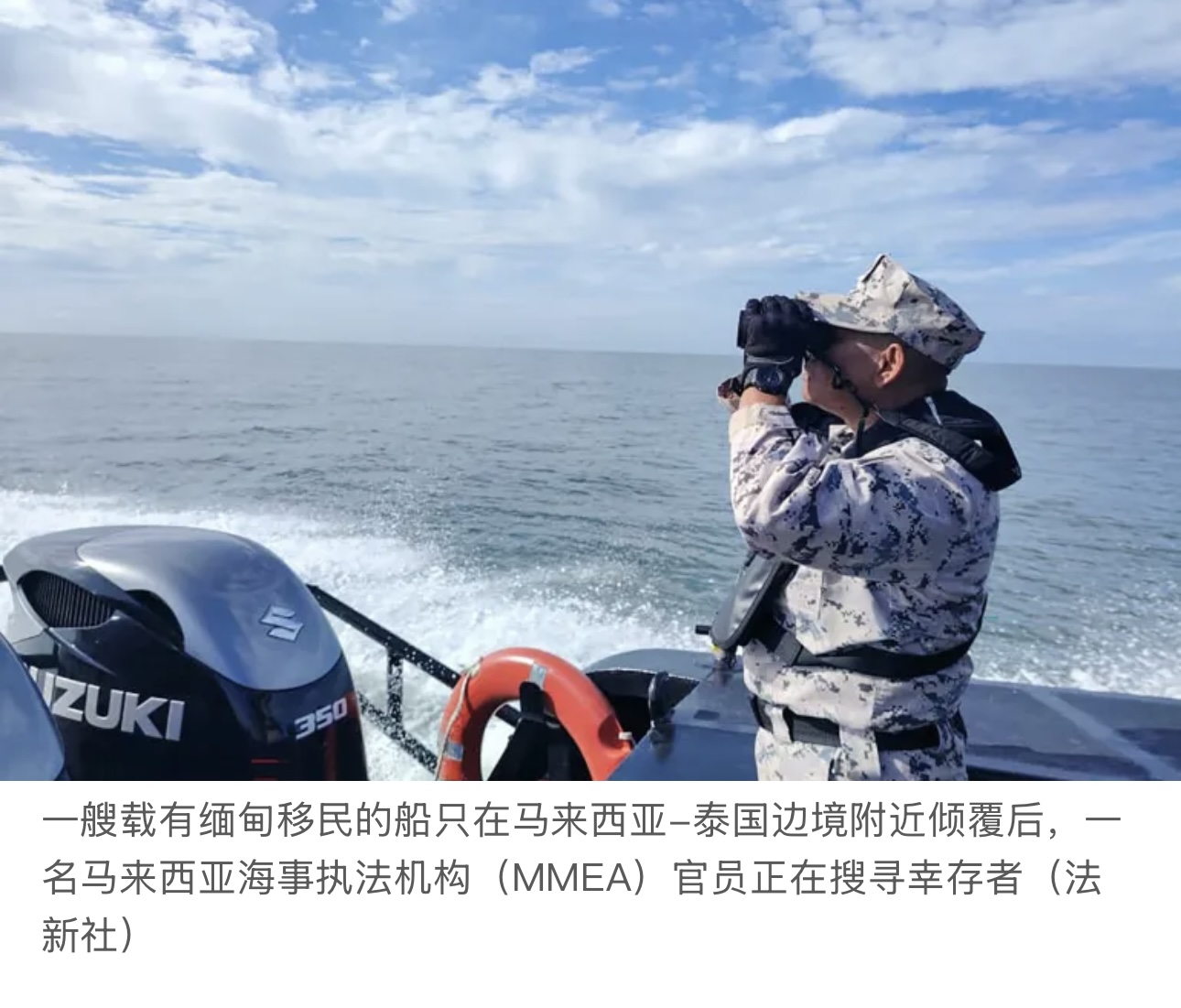
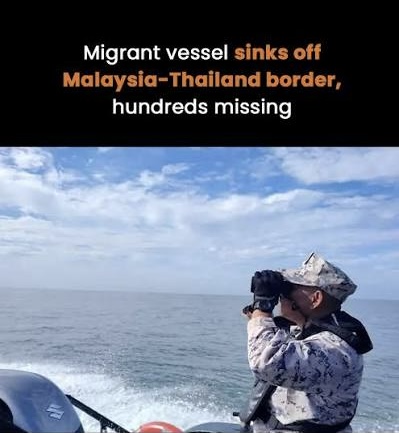
On November 9, 2025, a boat carrying approximately one hundred illegal immigrants sank near the Thai-Malaysian border. These people, originally intending to reach Malaysia, initially boarded a large ship, but as they approached the border, to avoid detection by authorities, they were instructed to transfer to three smaller boats, each carrying about 100 people. These individuals embarked on a journey seeking asylum and a new life, their hearts filled with both despair and hope. However, for many, hope ultimately turned to tragedy. Their dreams vanished like morning mist, reminding us that life is fleeting and fate is so fragile. No matter how we plan, pursue, or dream, life is ultimately subject to many forces beyond our control—weather, conflict, injustice, and sorrow.
When faced with this reality, compassion should be awakened in our hearts. Recognizing the shared vulnerability of humanity allows us to empathize with those who risk their lives for a glimmer of hope. It also calls for us to live differently—to be prepared, to live purposefully, and to cherish every breath.
Such tragedies prompt us to reflect: how will we, as individuals and as communities, respond to human suffering and needs? Will we turn away, or will we bravely extend a helping hand? May this reminder soften our hearts, prompting us to act with kindness, face challenges with courage, act with justice, and cherish the unchanging truth—that every life is precious and every moment is a gift of grace.
James 4:14 reminds us how fleeting and fragile life is; we are but a passing mist, gone in an instant. This truth is not meant to frighten, but rather to guide us to clarity and trust—to stop relying on ourselves and learn to trust in God; to stop procrastinating and live out our mission. When we truly understand the impermanence of life, we will live with gratitude, enthusiasm, and love—while we still have breath, to do good and in truth.
"Life doesn't guarantee tomorrow, so live today to the fullest."
DAILY REFLECTION
“You do not even know what will happen tomorrow. What is your life? You are a mist that appears for a little while and then vanishes.”James 4:14
We often live as though tomorrow is guaranteed — but the truth is, none of us can know what the next hour may bring. Life, with all its beauty and fragility, is never certain.
On 9 November 2025, a boat carrying about 100 undocumented migrants capsized near the Malaysia–Thailand border. It was one of several vessels transporting some 300 people who had left Myanmar, split by traffickers into smaller boats to avoid detection. Driven by desperation and hope, these individuals sought refuge and a chance for a better life. Yet for many, that hope ended in tragedy. Their dreams disappeared like morning mist — reminding us how swiftly life can change, and how fragile it truly is. No matter our plans or ambitions, we remain subject to forces beyond our control: weather, conflict, injustice, and grief.
When we come face to face with this reality, it should awaken compassion within us. Recognizing our shared vulnerability moves us to empathy for those who risk everything for a glimpse of hope. It also calls us to live differently — to live ready, to live purposefully, and to never take a single breath for granted.
Such loss urges reflection: how will we, as individuals and communities, respond to human suffering and need? Will we turn away, or will we reach out with courage and care? May this reminder soften our hearts—to act with kindness, pursue justice, and cherish the truth that every life is sacred and every moment is a gift.
James 4:14 reminds us how brief and fragile life truly is. We are like a mist—here for a moment, then gone. This truth isn’t meant to make us fearful, but faithful. It shifts our focus from self-reliance to trust in God, from delay to purpose. When we grasp how uncertain each day is, we’re moved to live with gratitude, urgency, and love—doing God’s will while we still have breath.
“Life is not guaranteed a tomorrow so give it everything you've got."

Daily Reflection
November 7, 2025
"God is our refuge, our strength, and our ever-present help in times of trouble. So even though the earth may change, and the mountains may shake into the heart of the sea, we will not be afraid."
Psalm 46:1–2
When the earth shakes and hearts are torn apart by grief, it is easy to feel forgotten. Yet, even in the fiercest storms, God does not turn away. He is with us in the chaos, faithfully guards us after the disaster, and gently approaches every broken heart.
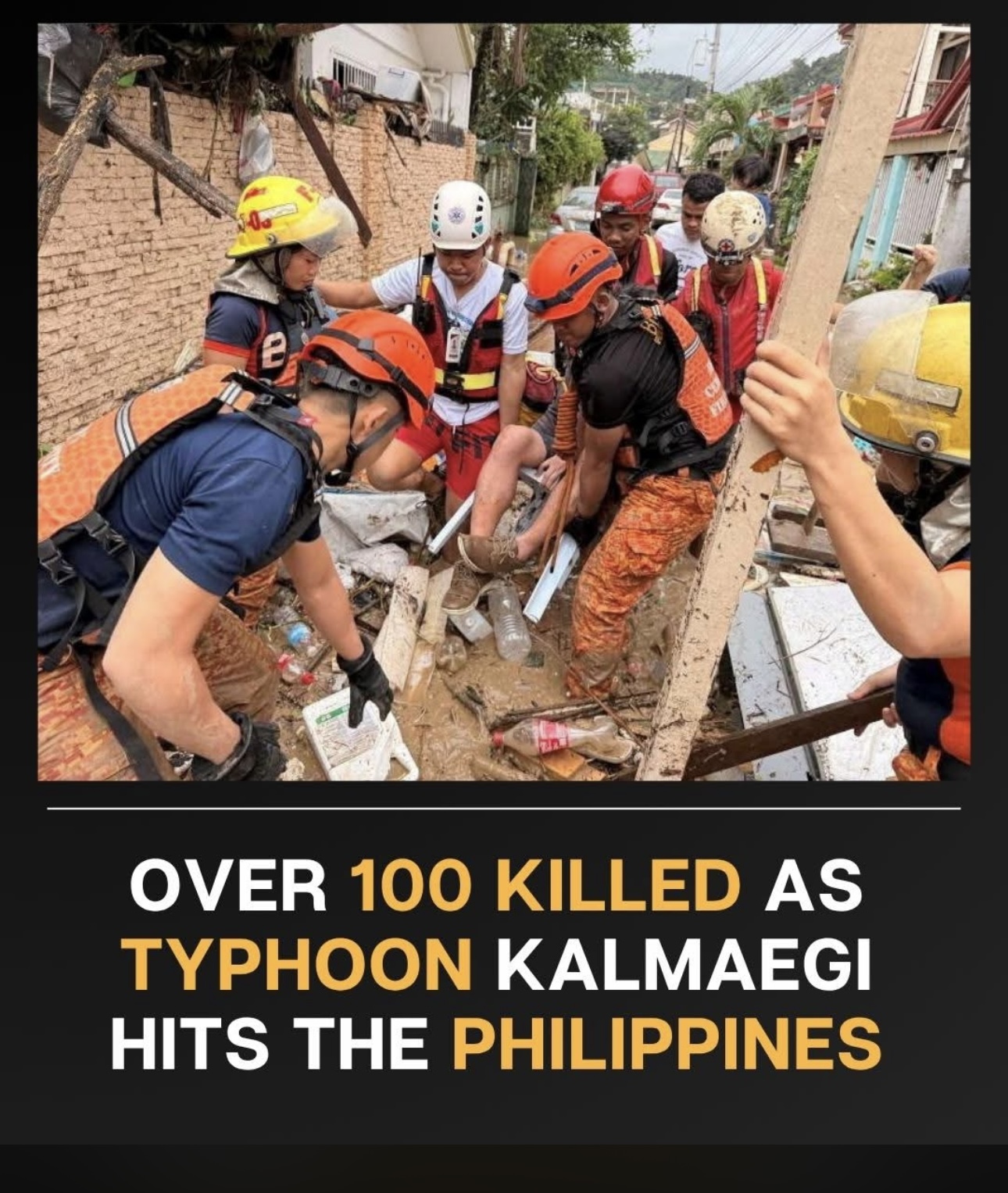
On November 6, 2025, Typhoon Kamagi devastated a central province of the Philippines. President Marcos declared a state of emergency. The storm claimed at least 114 lives, nearly 130 people went missing, and more than 560,000 people were forced to evacuate their homes. Nearly 2 million people were affected, with approximately 450,000 seeking shelter in temporary evacuation centers.
In the midst of this immense trauma, compassion arose like a healing balm. Many aid organizations, including faith groups, acted swiftly to meet the most urgent needs. But their work was more than just humanitarian aid—it was a care imbued with sacred meaning. Every hot meal, every safe haven, every whispered prayer carried the power of love. Communities were reunited, neighbors helped each other like family, and hope quietly blossomed amidst the ruins. This strength was not merely the resilience of humanity, but also the courage from the depths of the soul—because we know we are not alone.
Psalm 46:1–2 reminds us that true faith is not washed away by disasters, but rather strengthened in adversity. In times of crisis, faith becomes a unifying force, allowing us to believe together that God remains the unshakable foundation. His presence brings peace, His strength is a safe haven, and His unchanging love leads us through the storm to rebirth.
"We must learn to love one another and walk hand in hand, or we will perish together."
DAILY REFLECTION
"God is our refuge and strength, an ever-present help in trouble. Therefore we will not fear, though the earth give way and the mountains fall into the heart of the sea"
Psalm 46:1-2
When the earth trembles and hearts are torn by grief, it’s easy to feel forgotten. But even in the fiercest storm, God does not turn away. He is present in the chaos, faithful in the aftermath, and tenderly near to the brokenhearted.
On November 6, 2025, Typhoon Kalmaegi struck the central provinces of the Philippines with devastating force. President Ferdinand Marcos Jr declared a state of emergency as the storm claimed at least 114 lives, left nearly 130 missing, and displaced more than 560,000 villagers. Nearly 2 million people were affected, with close to 450,000 seeking shelter in emergency centers.
In the midst of this heartbreak, compassion rose like a healing balm. Aid organisations including many faith-driven groups moved swiftly to meet urgent needs. But their work was more than humanitarian; it was sacred. Every warm meal, every safe shelter, every whispered prayer became a vessel of God’s love. Communities have come together, neighbors have become family, and hope has begun to bloom in the rubble. This strength is not merely human - it is spiritual. It is the quiet courage that comes from knowing we are not alone.
Psalm 46:1–2 reminds us that true faith is not swept away by disaster — it rises above it. In times of crisis, faith becomes a uniting force, drawing people together in the shared assurance that God remains our unshakable foundation. His presence brings peace amid turmoil, His strength provides shelter in the storm, and His unfailing love carries us safely through it.
"We must learn to live together as brothers or perish together as fools."

Daily Reflection
November 6, 2025
"To uphold justice brings joy to the righteous, but fear to the wicked."
Proverbs 21:15
A nation that values righteousness reflects God's wisdom; chaos follows when righteousness is disregarded. The all-knowing Lord remembers every righteous person and never forgets those who walk in truth.
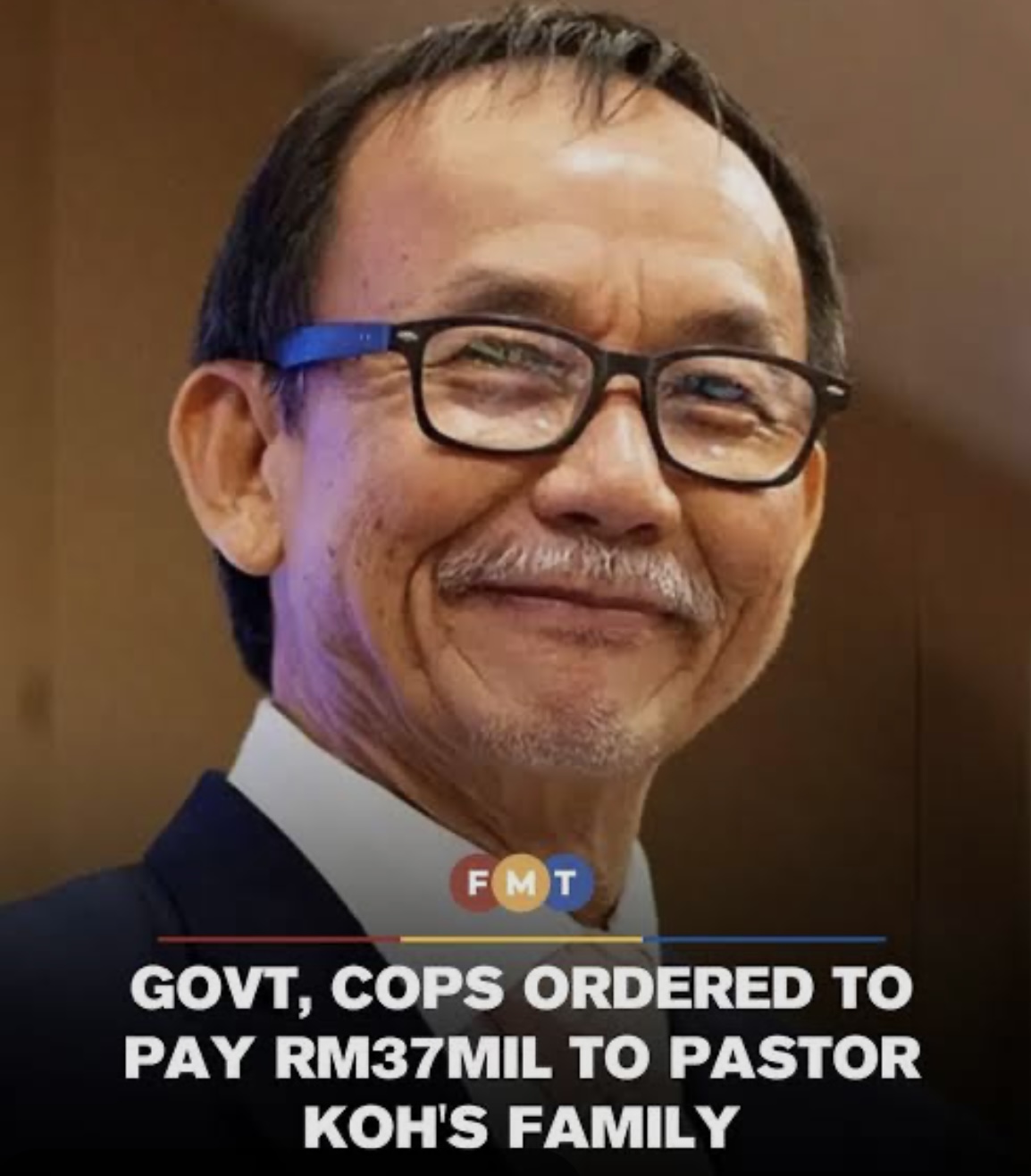
On February 13, 2017, a shocking incident occurred near Kuala Lumpur, Malaysia—Pastor Xu Jingcheng was surrounded and forcibly taken away in broad daylight by three black SUVs. For years, the truth remained hidden by darkness and silence. Until April 3, 2019, the Human Rights Commission (SUHAKAM) publicly stated that Pastor Xu was a victim of "enforced disappearance," targeted by a special branch of the Malaysian police because of his faith.
In 2020, his wife, Liu Xiuyu, bravely stood up to seek the truth and justice for her husband.
Now, on November 5, 2025, the High Court has made a crucial ruling: the government must compensate Pastor Xu's family with RM37 million. This is not merely monetary compensation, but also the revelation of the truth, accountability for wrongdoing, and a belated consolation and manifestation of justice.
For the righteous, this judgment is like a beacon of hope, reminding us that God is not indifferent. He sees. He remembers. He will reward those who walk in the truth. But for those who abuse power, cover up the truth, and harm the innocent, it is a solemn warning: the light of truth will eventually illuminate the darkness, and the burden of righteousness will eventually fall upon them.
Proverbs 21:15 reminds us that righteousness is not only a social necessity but also a call from the soul. It maintains social order, protects the weak, and reflects God's nature. Believers pursue righteousness not for revenge, but to let the world see the righteous and merciful God— who brings joy to places of oppression and restores light to places of darkness.
"Injustice anywhere is a threat to justice all over the world."
DAILY REFLECTION
“When justice is done, it brings joy to the righteous but terror to evildoers.”
Proverbs 21:15
A nation that cherishes justice mirrors the wisdom of God; but when justice is scorned, chaos is unleashed. The Lord, who sees all, remembers every act of righteousness and does not forget those who walk in truth.
On February 13, 2017, Pastor Raymond Koh was forcibly taken - his car was surrounded by three black SUVs in broad daylight near Kuala Lumpur. For years, silence and shadows cloaked the truth. But on April 3, 2019, SUHAKAM declared that Koh was a victim of enforced disappearance, targeted by the Special Branch of the Malaysian police for his religious convictions. In 2020, his wife Susanna Koh courageously pursued legal action, demanding transparency and justice.
Now, on November 5, 2025, the High Court has ruled decisively: RM37 million in compensation must be paid to Pastor Koh’s family. This is more than a financial penalty - it is a public reckoning. The court’s decision exposes the “wrongful acts” committed and offers a measure of vindication to a family long denied answers.
For the righteous, this ruling is a beacon of hope. It affirms that God is not indifferent to injustice. He sees. He remembers. He rewards those who walk in truth. But for those who abuse power, conceal corruption, or prey upon the innocent - this is a warning. The light of truth will find them, and the weight of justice will not be denied.
Proverbs 21:15 reminds us that justice is both a moral and spiritual necessity. It upholds community, protects the vulnerable, and honors God. It calls believers to be people who pursue justice not for revenge, but to mirror the heart of a just and merciful God - bringing joy where there was oppression, and light where darkness once ruled.
“Injustice anywhere is a threat to justice everywhere.”
Daily Reflection
November 5, 2025
"If you understand the meaning of 'I love mercy, not sacrifice,' you will not condemn the innocent to sin."
Matthew 12:7
In this world where criticism is easy and forgiveness is difficult, compassion is a courage imbued with faith. It is not weakness, but a life-changing force—not through power, but through love.
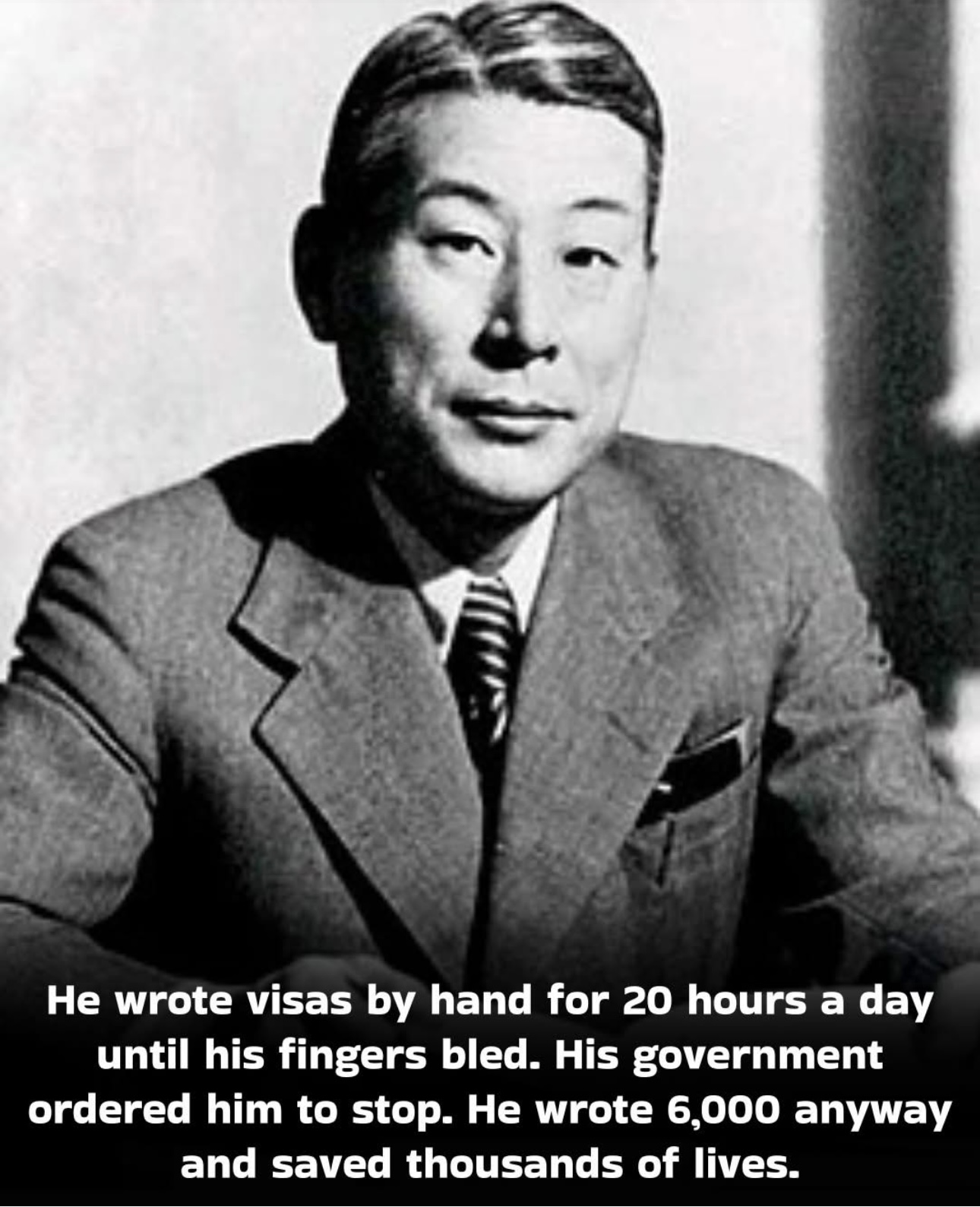
During World War II, Japanese diplomat Chie Sugihara, stationed in Lithuania, deeply understood the meaning of this statement. Faced with tens of thousands of Jewish refugees fleeing Nazi persecution, he chose compassion over obedience. Despite strict prohibitions from the Japanese government, he and his wife, Sachiko, risked their lives, handwriting visas day and night—one after another, until their fingers bled. Each visa was a lifeline; each signature was a silent protest against the cruel regime.
Even when forced to leave, he continued issuing visas on the train, throwing completed documents out the window to desperate people. He knew perfectly well that doing so could cost him everything: his position, his reputation, his future. But he also understood that the cost of silence was far greater.
After the war, he was dismissed from his post, forgotten, and lived an ordinary, even impoverished life, never defending himself. Years later, the world was astonished to discover that those visas had saved six thousand people and extended the lives of over forty thousand—because one man chose compassion rather than submission.
Chiasu Sugihara's story is a testament to humanitarianism and moral courage. He exemplified the truth of Matthew 12:7 through his actions—mercy is greater than the law, and love is greater than formalities.
This passage reminds us that mercy is not weakness, but a power derived from love. It is choosing forgiveness when others expect judgment, choosing compassion when institutions demand obedience, and seeing people's needs before religious ceremonies.
"Compassion will make the world less cruel and more just."
DAILY REFLECTION
“If you had known what these words mean, ‘I desire mercy, not sacrifice,’ you would not have condemned the innocent.”
Matthew 12:7
In a world quick to punish and slow to forgive, mercy is a radical act of faith. It is the quiet power that transforms lives - not by force, but by love.
Chiune Sugihara, a Japanese diplomat stationed in Lithuania during World War II, understood this truth. When faced with the cries of Jewish refugees fleeing Nazi persecution, he chose mercy over protocol. Though his government forbade it, Chiune and his wife Yukiko spent nearly a month writing transit visas by hand - thousands of them until his fingers bled. Each signature was a lifeline, each page a quiet rebellion against cruelty.
Even as he was forced to leave, he continued writing visas aboard the train, tossing signed papers through the window into desperate hands. He knew the cost: his career, his reputation, his future. But he also knew the greater cost of silence.
Dismissed and forgotten, he lived humbly, never seeking recognition. Only years later did the world learn that 6,000 visas had saved over 40,000 lives. Families who live today because one man chose mercy over compliance.
Sugihara's story is a powerful example of moral courage and humanitarianism. His decision to prioritize human life over strict adherence to rules demonstrates the timeless principle of mercy and compassion found in Matthew 12:7.
Matthew 12:7 reminds us that mercy is not weakness - it is strength rooted in love. It means showing grace when others expect condemnation, choosing compassion over compliance, and seeing human need before religious formality.
“Mercy makes the world less cold and more just.”