Dr. Tan Tek Seng
Blog entry by Dr. Tan Tek Seng
DAILY REFLECTION
“If you had known what these words mean, ‘I desire mercy, not sacrifice,’ you would not have condemned the innocent.”
Matthew 12:7
In a world quick to punish and slow to forgive, mercy is a radical act of faith. It is the quiet power that transforms lives - not by force, but by love.
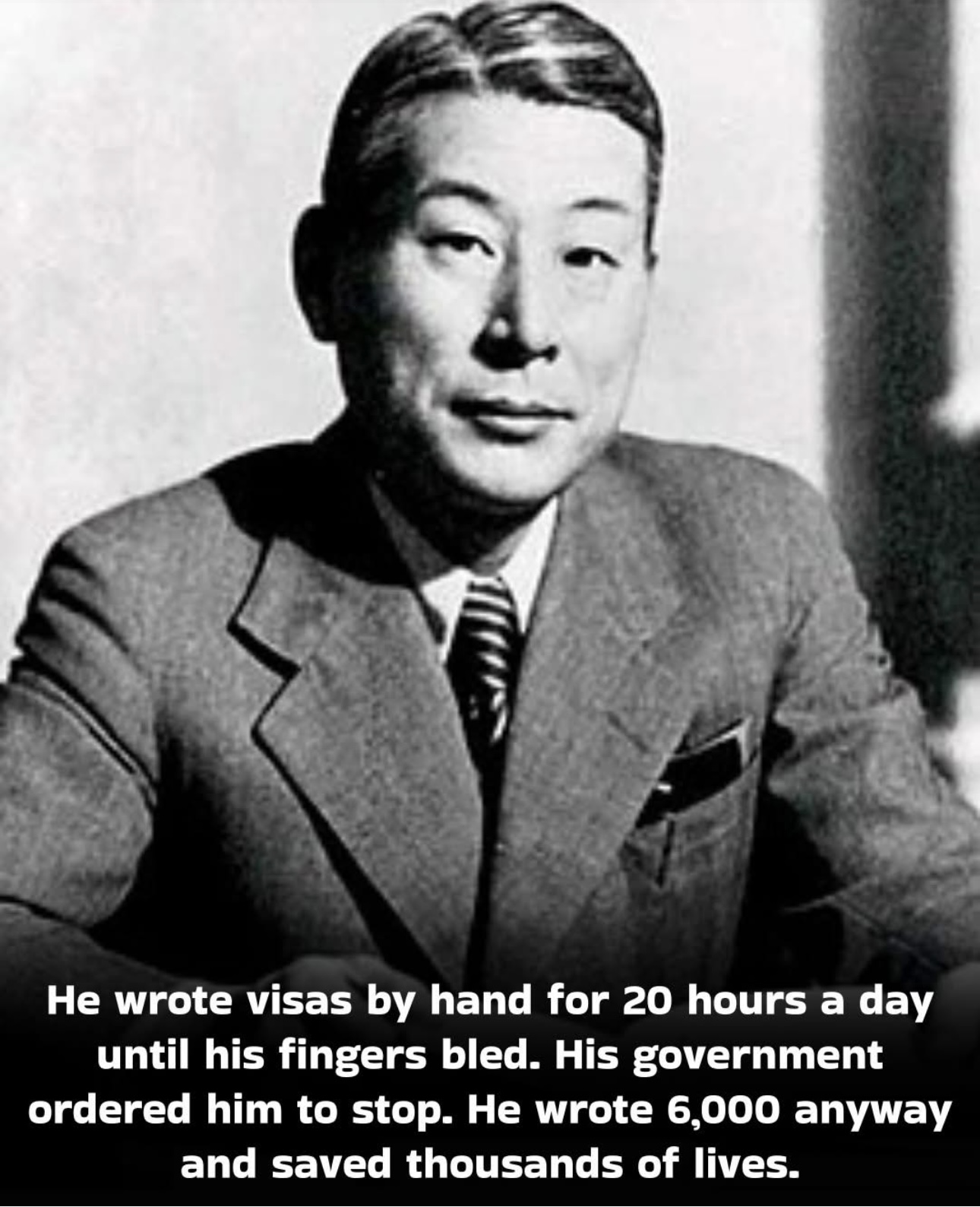
Chiune Sugihara, a Japanese diplomat stationed in Lithuania during World War II, understood this truth. When faced with the cries of Jewish refugees fleeing Nazi persecution, he chose mercy over protocol. Though his government forbade it, Chiune and his wife Yukiko spent nearly a month writing transit visas by hand - thousands of them until his fingers bled. Each signature was a lifeline, each page a quiet rebellion against cruelty.
Even as he was forced to leave, he continued writing visas aboard the train, tossing signed papers through the window into desperate hands. He knew the cost: his career, his reputation, his future. But he also knew the greater cost of silence.
Dismissed and forgotten, he lived humbly, never seeking recognition. Only years later did the world learn that 6,000 visas had saved over 40,000 lives. Families who live today because one man chose mercy over compliance.
Sugihara's story is a powerful example of moral courage and humanitarianism. His decision to prioritize human life over strict adherence to rules demonstrates the timeless principle of mercy and compassion found in Matthew 12:7.
Matthew 12:7 reminds us that mercy is not weakness - it is strength rooted in love. It means showing grace when others expect condemnation, choosing compassion over compliance, and seeing human need before religious formality.
“Mercy makes the world less cold and more just.”