Seminari Dalam Talian Tyrannus
Blog laman
 DAILY REFLECTION
20 Feb 2026
"Train up a child in the way he should go; even when he is old he will not depart from it."
Proverbs 22:6
As the joyful celebrations of Chinese New Year come to a close and your adult children return to their work and responsibilities, this transition offers a sacred moment to reflect. You have helped shape their values, their faith, and their capacity to love. These unseen investments now travel with them into boardrooms, classrooms, and homes of their own.
When children step away from the warmth of family gatherings and reenter the demands of daily life, this proverb speaks with enduring clarity. The word “train” suggests intentional guidance, modeling, and dedication. It points to shaping direction, not merely correcting behavior. The values consistently lived out at home — integrity, reverence for God, perseverance, kindness have become an internal compass. Though children grow into independent adults, the moral and spiritual framework formed in early years continues to guide decisions long after they leave home.
Such reflection reassures parents that their influence does not stop when children become adults. Parenting evolves from instruction to encouragement, from supervision to mentorship. The seeds planted through prayer, example, discipline, and love often bear fruit over time in character and resilience.
Proverbs 22:6 invites us to trust the quiet power of faithful parenting. As seasons change, your role shifts — but your influence remains. Therefore, continue in love, wisdom, and prayerful support. The foundation you laid has not disappeared; it has simply gone ahead of them, preparing the path on which they now walk.
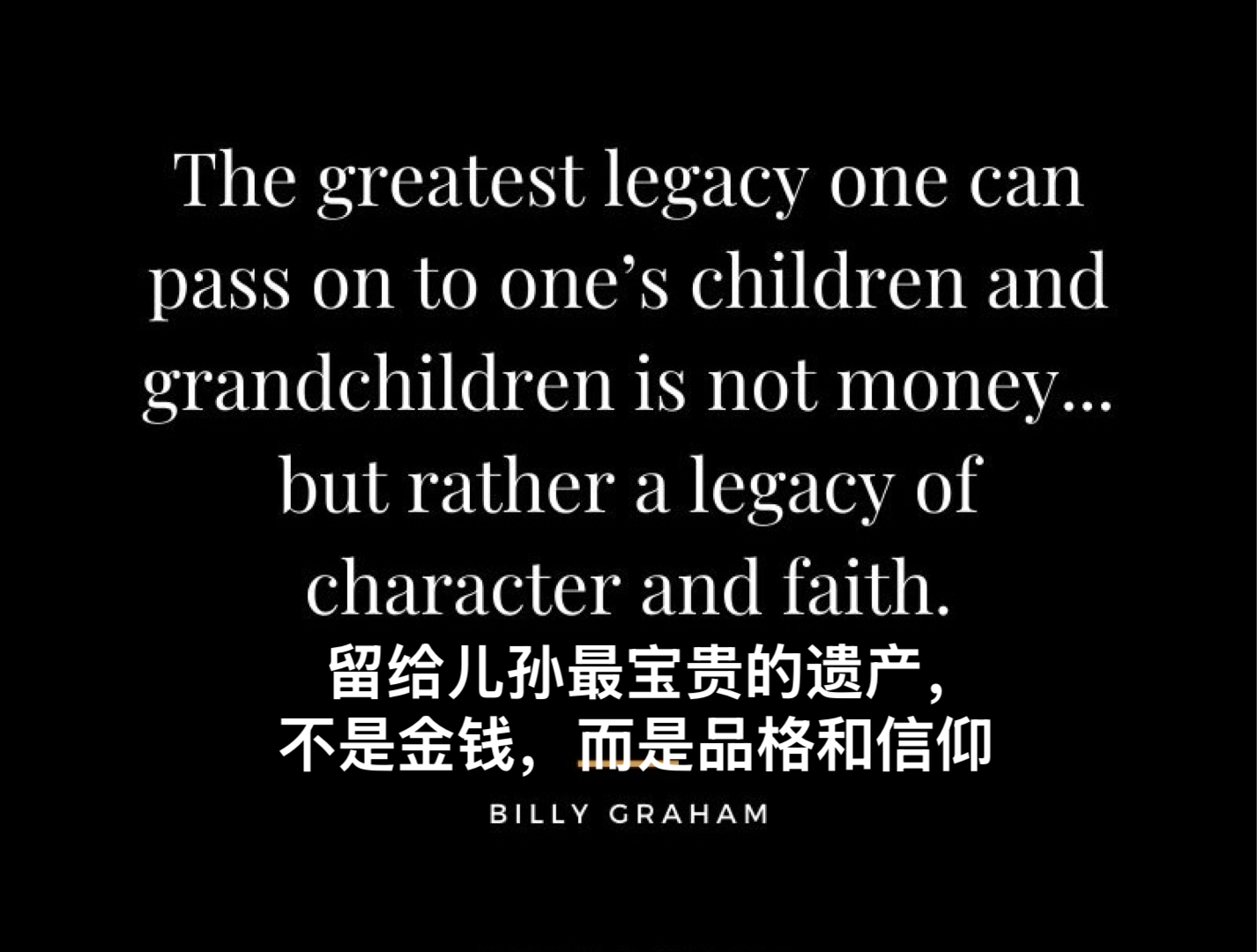
“Legacy is character transmitted across generations.”
 DAILY REFLECTION
19 Feb 2026
“Even now,” declares the Lord, “return to me with all your heart, with fasting and weeping and mourning.”
Joel 2:12
The first two days of Chinese New Year are filled with joyful feasting, lively gatherings, and meaningful time with family. Surrounded by abundance and warm conversation, it is easy to be caught up in the excitement of celebration. Yet when the festivities begin to quiet down, a different kind of space emerges. In that pause, we are given the opportunity to reflect on the deeper realities of life: our priorities, our relationships, and what truly matters beyond the surface of celebration.
The season of Lent offers a sacred invitation to examine our lives honestly. It calls us to acknowledge our shortcomings and to allow sincere sorrow to lead us toward transformation. The words of Joel 2:12: “return to Me with all your heart, with fasting and weeping and mourning”reveal the depth of repentance God desires. This is not about outward religious performance, but about an inward and upward transforming of the heart.
Fasting disciplines the body and refocuses the spirit. Mourning helps us confront the brokenness within us and around us. Weeping expresses vulnerability and genuine sorrow before God. Together, these practices form a pathway of return—a journey marked by humility, honesty, and dependence on His mercy.
Joel 2:12 reminds us that God’s call to repentance is not meant to shame us, but to restore relationship. Repentance is not a one-time event, but an ongoing posture of the heart. It creates space for clarity, gratitude, and purposeful living as we move forward into a new season grounded in His grace.
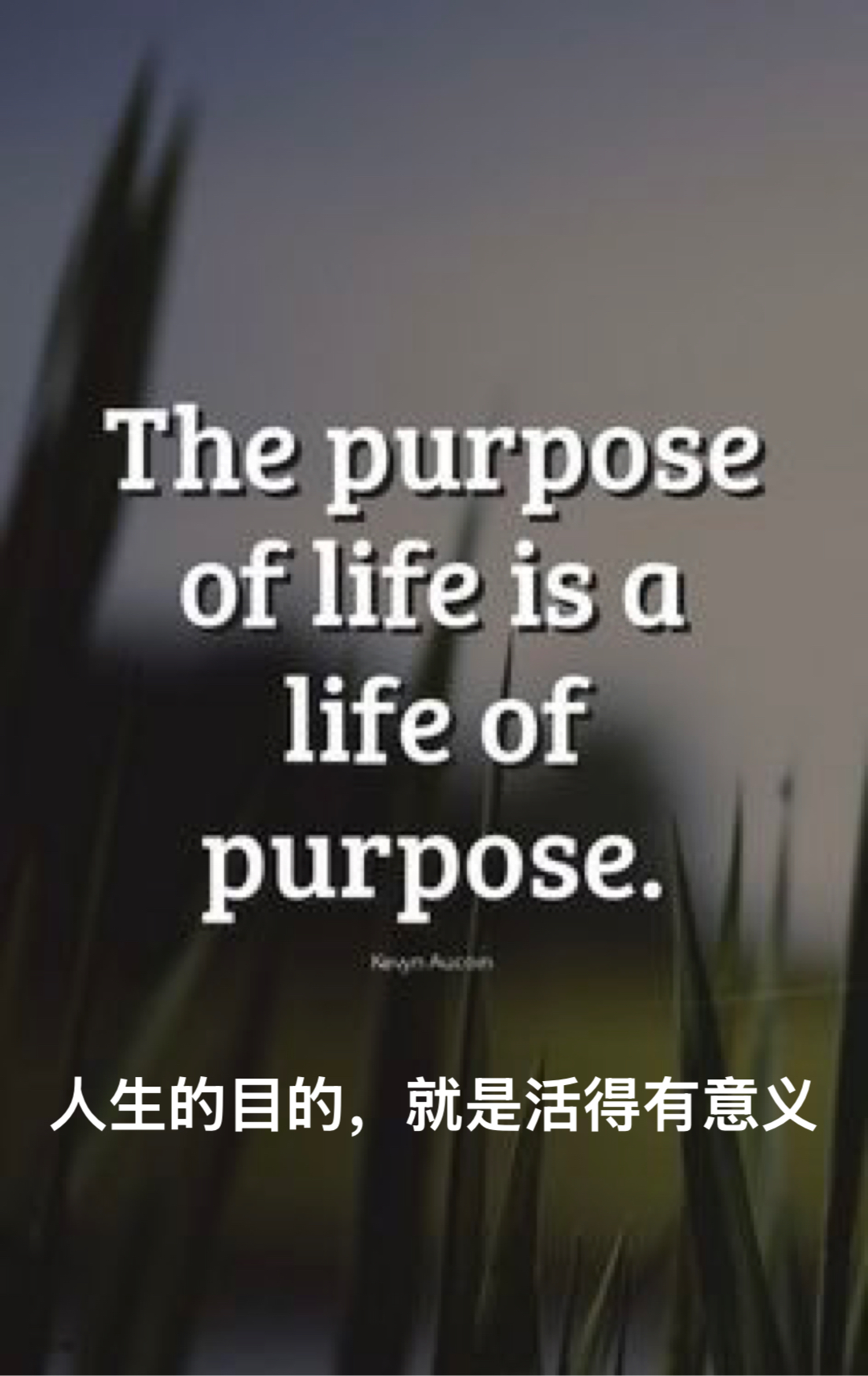
“Your passion will lead you right into your purpose."
 DAILY REFLECTION
18 Feb 2026
“How good and pleasant it is when God’s people live together in unity!”
Psalms 133:1
In today’s fast-paced and demanding work culture, many adult children are caught up with responsibilities and deadlines. Busyness easily becomes the norm, and visiting elderly parents can unintentionally be postponed again and again. Yet seasons like Chinese New Year invite us to slow down, return home, and reconnect heart-to-heart.
For elderly parents, a child’s homecoming is never something small. It is a deep reassurance that they are remembered, valued, and loved. Their joy does not come from gifts, but from presence. Yesterday, my wife and I made a special effort to visit my 90-year-old sister in Singapore. Seeing her five daughters (my nieces) and their families gathered around her on the first day of Chinese New Year was deeply moving. Their presence brought her comfort, dignity, and quiet fulfillment. It was a beautiful picture of honor across generations — children and grandchildren choosing to show up. This is the true spirit of Chinese New Year.
Reunion is not merely about angpows or festive meals. It is about gratitude. It is about remembering the sacrifices of the older generation and strengthening the bonds that carry a family forward. When younger generations make time to return home, they are investing in legacy.
Psalm 133:1 reminds us that unity in the family is both beautiful and sacred. It does not happen by accident. It requires intention, humility, and love. It also reminds our younger generations that presence at home is priceless.
"In family life, be completely present."
 DAILY REFLECTION
17 Feb 2026
“Forget the former things; do not dwell on the past. See, I am doing a new thing! Now it springs up; do you not perceive it? I am making a way in the wilderness and streams in the wasteland.”Isaiah 43:18-19
Today marks the beginning of Chinese Lunar New Year — a time of fresh starts. Families gather not only to celebrate, but to restore relationships, reaffirm unity, and look ahead with hope for new opportunities.
As we step into the Year of the Horse, Scripture provides a meaningful lens through which to understand renewal. In many cultures, the horse symbolizes strength, endurance, and forward momentum. These qualities mirror the spiritual posture we are called to embrace—courage to move ahead, perseverance through challenges, and confidence in the journey before us.
Through Prophet Isaiah, God instructs His people not to dwell on former things, but to perceive the “new thing” He is already bringing forth. This does not mean ignoring the past, but refusing to be defined by past failures, disappointments, or even former successes. God assures us that He is continually at work—making a way in the wilderness, creating streams in the wasteland, and providing direction where none seemed visible.
The images of a pathway in the desert and water in dry land clearly demonstrate God’s transforming power. What appears barren can become fruitful. What seems blocked can open into possibility. What feels uncertain can be guided by His faithful hand. Just as the horse runs forward with energy and determination toward new horizons, we too are invited to move into this new year with trust and expectation.
Isaiah 43:18–19 teaches us not to remain trapped in past disappointments or past successes, but to lift our eyes to what God is doing now. As we enter a new season, we are invited to move forward with confidence in God’s faithful provision, joy in His unchanging promises, and gratitude for the fresh beginnings He places before us.
“If you want something new, you have to stop doing something old." —Peter F. Drucker
 DAILY REFLECTION
16 Feb 2026
"Behold, children are a heritage from the Lord, the fruit of the womb a reward. Like arrows in the hand of a warrior are the children of one's youth. Blessed is the man who fills his quiver with them!"
Psalm 127:3-5
Today’s Chinese New Year reunion gathering is far more than a festive celebration. It represents a deep longing—especially in the hearts of parents—to see their children return home. For many Chinese families, this occasion fulfills a profound desire for unity, love, and the continuation of family heritage. Around the reunion table, kinship is renewed, blessings are spoken, and generational bonds are strengthened.
The reunion dinner is not simply about sharing food; it is about honoring the precious gift of family—those who nurture, support, and stand with us through every season of life. The psalmist declares that “children are a heritage from the Lord… like arrows in the hands of a warrior.” Just as a quiver full of arrows symbolizes strength and security, a table surrounded by children and grandchildren reflects a family’s true richness and future hope.
In Chinese tradition, much emphasis is placed on prosperity and success in the coming year. Yet Psalm 127 gently redirects our understanding of blessing. True wealth is not measured by possessions, but by relationships. A harmonious home, a united family, and hearts anchored in gratitude are the greater treasures.
Psalm 127:3-5 reminds us that children are a precious gift and inheritance from God. The responsibility of raising them is a sacred stewardship entrusted to parents and grandparents alike. It calls families to reflect on what true blessing really means—not measured by wealth, but by harmony and love within relationships.
“He who lives in harmony with himself lives in harmony with the universe."
—Marcus Aurelius
 DAILY REFLECTION
13 Feb 2026
“But seek first his kingdom and his righteousness, and all these things will be given to you as well.”Matthew 6:33
In today’s competitive business environment, it is natural to depend heavily on our training, experience, and strategic abilities—skills we can measure, refine, and control. By contrast, trusting in God’s unseen guidance can feel less predictable. Yet it is often this desire for control that produces the very anxiety Jesus cautions against in Matthew 6.
For leaders entrusted with stewarding organizations, seeking first the Kingdom means allowing God’s values to shape every decision—strategy, hiring, partnerships, investments, and expansion. Profit is important, but it is not ultimate. Purpose carries greater weight. Growth is significant, but godly character is foundational. When the Kingdom takes priority, integrity outweighs short-term gain, stewardship governs risk, and generosity tempers accumulation. In this way, our professional expertise is not diminished; it is aligned and surrendered to a higher authority.
Such alignment transforms workplace culture. Leaders who prioritize God’s righteousness cultivate environments marked by trust, fairness, accountability, and long-term sustainability. These organisations do more than generate revenue—they develop people, strengthen communities, and reflect God’s character in the marketplace.
Matthew 6:33 ultimately calls believers to anchor their leadership in eternal principles rather than shifting market conditions. Markets will fluctuate, competition will intensify, and uncertainties will arise. But when our confidence rests in the One who provides, we are freed from fear-driven leadership. This assurance enables us to lead with clarity, courage, integrity, and peace—trusting that as we honor God first, He will faithfully take care of what follows.
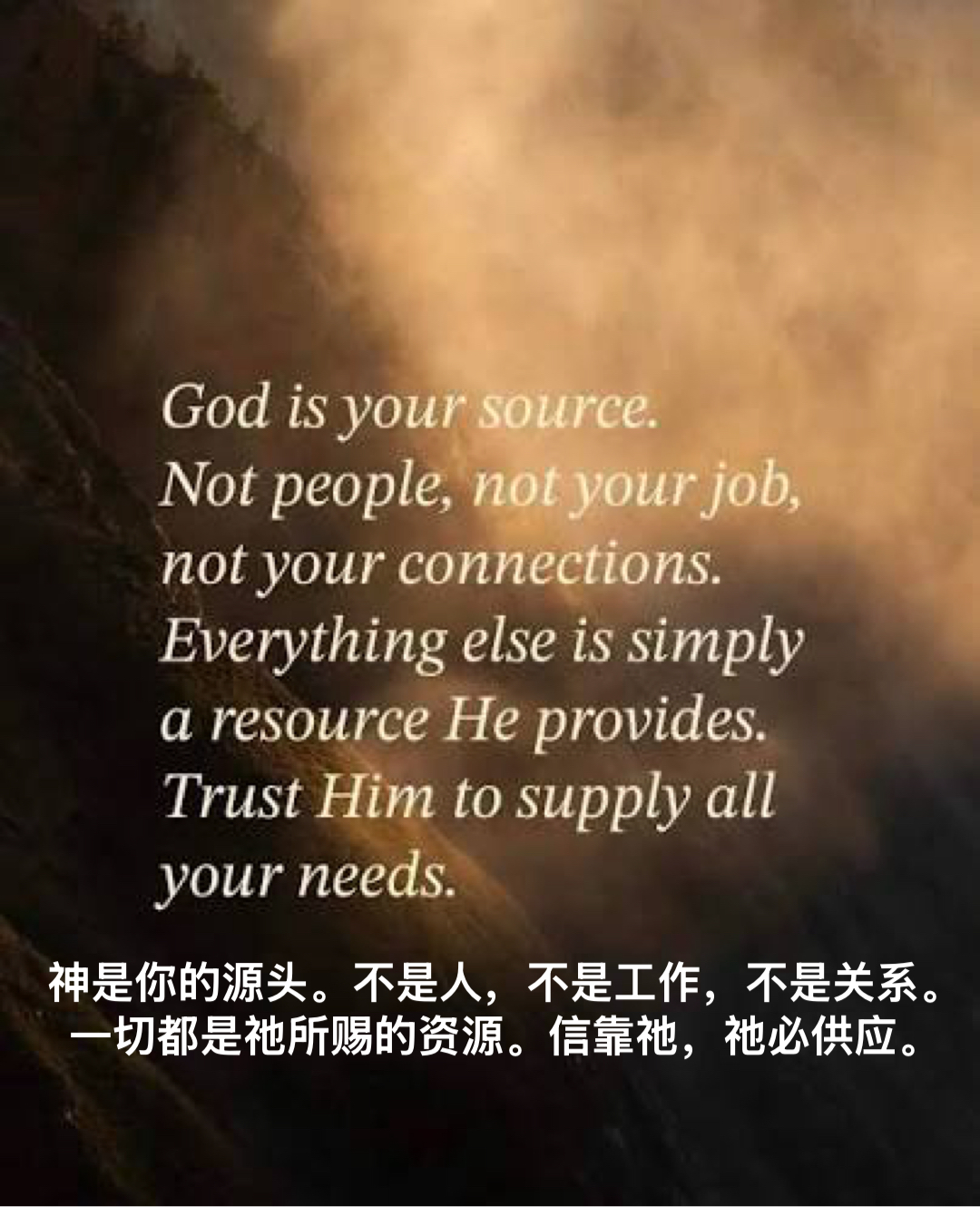
"Where God leads, He provides."
 DAILY REFLECTION
12 Feb 2026
“Ants are creatures of little strength, yet they store up their food in the summer;” (Proverbs 30:25)
In today’s fast-paced business world, it is easy to be drawn toward shortcuts and quick gains. Using the example of the ant, the Bible teaches us that true success comes from hard work, careful planning, and steady effort. Though small, ants show great wisdom by preparing ahead for tough times. Their strength lies in discipline and foresight, not size.
As business leaders and professionals, we are called to embody that same spirit. Careful effort—whether in planning, building relationships, developing people, or managing resources—always pays off. What we build today forms the foundation for the future. Hard work not only achieves results but also shapes our character, builds trust, and strengthens resilience.
The ant also reminds us to recognize seasons. There is a time to plant and a time to harvest. When opportunities come, we should act responsibly and with initiative. Preparing now helps us handle challenges later. In this way, diligence is an act of faith—trusting that God honors consistent and faithful work. May the example of the ant inspire us to pursue excellence with humility and perseverance, trusting that our diligent efforts will bring lasting fruit for His glory.
Proverbs 30:25 reminds us that wise living requires preparation, responsibility, and attentiveness to God-ordained seasons. It calls leaders and marketplace professionals to act faithfully today with tomorrow in view.
“It's not the size of the ant, but the size of the fight in the ant."
 DAILY REFLECTION
11 Feb 2026
“Give, and it will be given to you. A good measure, pressed down, shaken together and running over, will be poured into your lap. For with the measure you use, it will be measured to you.”Luke 6:38
You don’t need a big title to be a leader. Influence starts with how you treat people and how you use what you’ve been given. Young professionals who practice generosity—through time, skills, encouragement, and integrity—often stand out quickly in the workplace.
Generosity builds trust. When colleagues know you’re willing to help, share knowledge, and support others without competing or keeping score, relationships grow stronger. Teams work better together, and opportunities tend to follow people who are dependable and open-handed.
For believers, generosity is part of stewardship. Your abilities, education, and opportunities are entrusted to you by God. Using them to serve others aligns you with God’s way of working. What you give—whether time, effort, or resources—is never wasted.
Luke 6:38 reminds us to lead without fear or scarcity. Giving is not about having extra; it’s about trusting God’s provision. When you live generously, you reflect God’s heart and experience a kind of success that goes beyond salary or position—one that builds character, influence, and lasting purpose.
"The most truly generous persons are those who give silently without hope of praise or reward."
 REFLEKSI HARIAN
10 Feb 2026
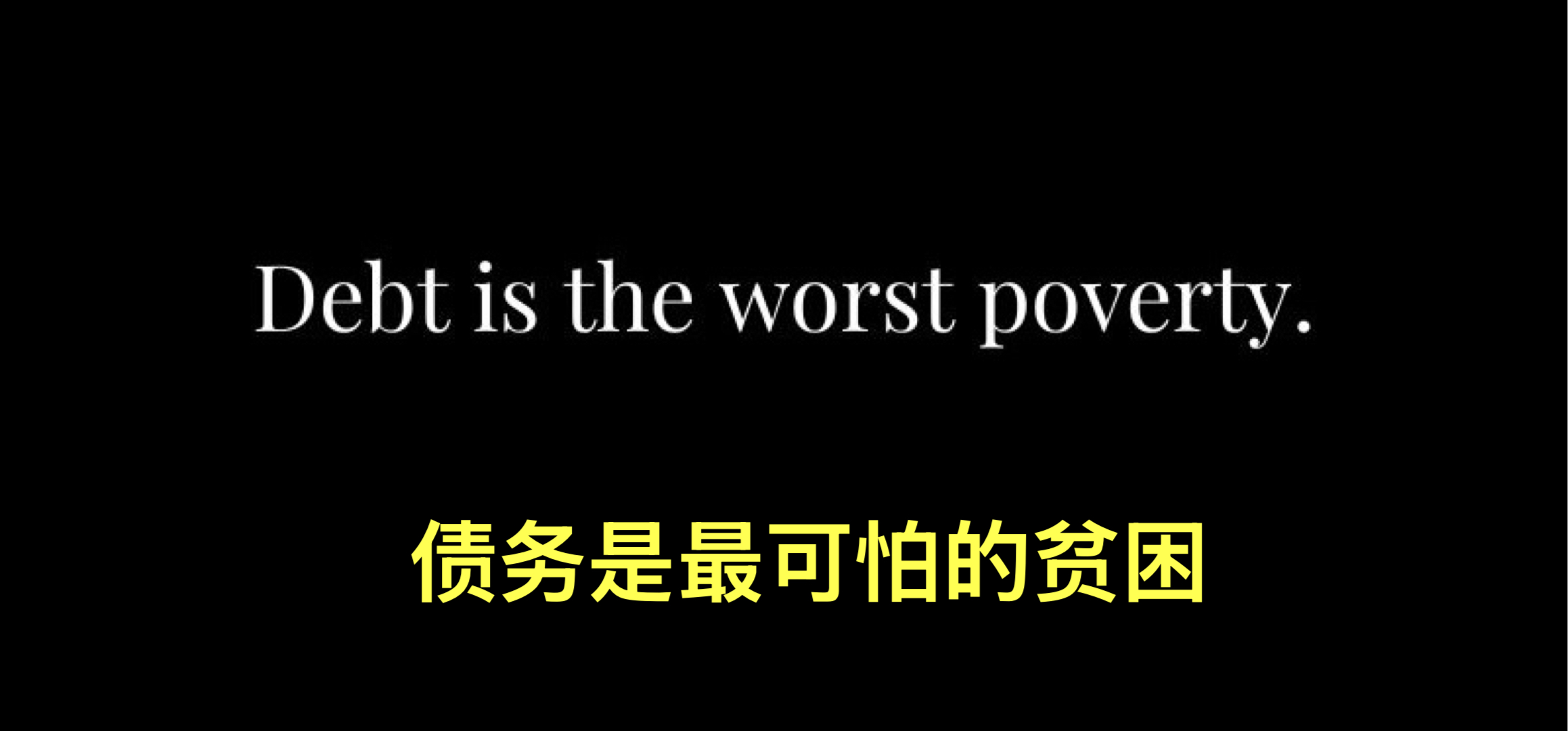
"Orang kaya memerintah orang miskin, dan orang yang meminjam menjadi hamba kepada orang yang memberi pinjaman."
Amsal 22:7
Orang yang beriman di pasaran sering menghadapi cabaran untuk mempercayai sepenuhnya pemberian Tuhan. Daripada bergantung pada kecukupan-Nya, ramai yang beralih kepada pinjaman sebagai jaring keselamatan untuk mengekalkan gaya hidup atau cita-cita mereka. Walau bagaimanapun, Kitab Suci memberi amaran kepada kita bahawa hutang secara senyap-senyap boleh menjadi satu bentuk perhambaan yang menyekat kebebasan kita dalam Kristus.
Walaupun hutang mungkin menawarkan kelegaan jangka pendek, tanpa pengawasan yang teliti dan pertimbangan rohani, ia boleh menjerat kita dalam kewajipan berterusan yang sangat membebani panggilan kita. Apa yang bermula sebagai penyelesaian praktikal secara beransur-ansur boleh membentuk keputusan kita, mengehadkan fleksibiliti kita, dan mengalihkan tumpuan kita daripada pelayanan sepenuh hati kepada Tuhan.
Untuk mengelakkan perangkap ini, orang percaya dipanggil untuk memupuk kepercayaan kepada pemberian Tuhan dan disiplin dalam membuat keputusan kewangan. Hidup mengikut kemampuan kita bukanlah kekurangan—ia adalah pembebasan. Kebebasan sejati tidak terdapat dalam kemudahan kredit atau harta yang terkumpul, tetapi dalam kedamaian yang datang daripada menyelaraskan sumber kita dengan kehendak dan tujuan Tuhan.
Apabila kita memilih untuk mengelakkan hutang, kita memelihara kebebasan untuk menyahut panggilan Tuhan tanpa rasa takut, tekanan, atau gangguan. Pengawasan kita kemudiannya menjadi kesaksian iman yang nyata, mengisytiharkan kepada dunia bahawa keyakinan kita bukan terletak pada jaminan pinjaman, tetapi pada penyediaan Bapa Syurgawi kita yang setia dan tidak pernah gagal.
Amsal 22:7 berfungsi sebagai amaran yang serius dan juga galakan yang memberi harapan, membimbing kita untuk berjalan dalam kebebasan kewangan. Apabila hati dan perniagaan kita bebas daripada hutang, ia akan kekal sepenuhnya berdedikasi kepada tujuan Kerajaan Tuhan, memperkasakan kita untuk hidup dan memimpin dengan integriti dan kesetiaan.
"Jangan beli barang yang anda tidak mampu beli dengan wang yang anda tidak perlukan untuk menarik perhatian orang yang anda tidak suka."
 REFLEKSI HARIAN
9 Feb 2026
" Rancangan orang rajin pasti mendatangkan kelimpahan, tetapi setiap orang yang tergesa-gesa hanya akan mengalami kekurangan."
Amsal 21:5
Ramai orang percaya bergelut dengan kekurangan kewangan, namun Tuhan dengan murah hati telah memberikan kita kebijaksanaan untuk mengurus sumber yang Dia percayakan kepada kita. Minggu ini, saya akan mencari bimbingan-Nya ketika kita merenungkan prinsip-prinsip utama alkitabiah untuk pengurusan yang setia. Prinsip pertama ialah: kita memuliakan Tuhan melalui penganggaran yang disengajakan dan perancangan yang tekun.
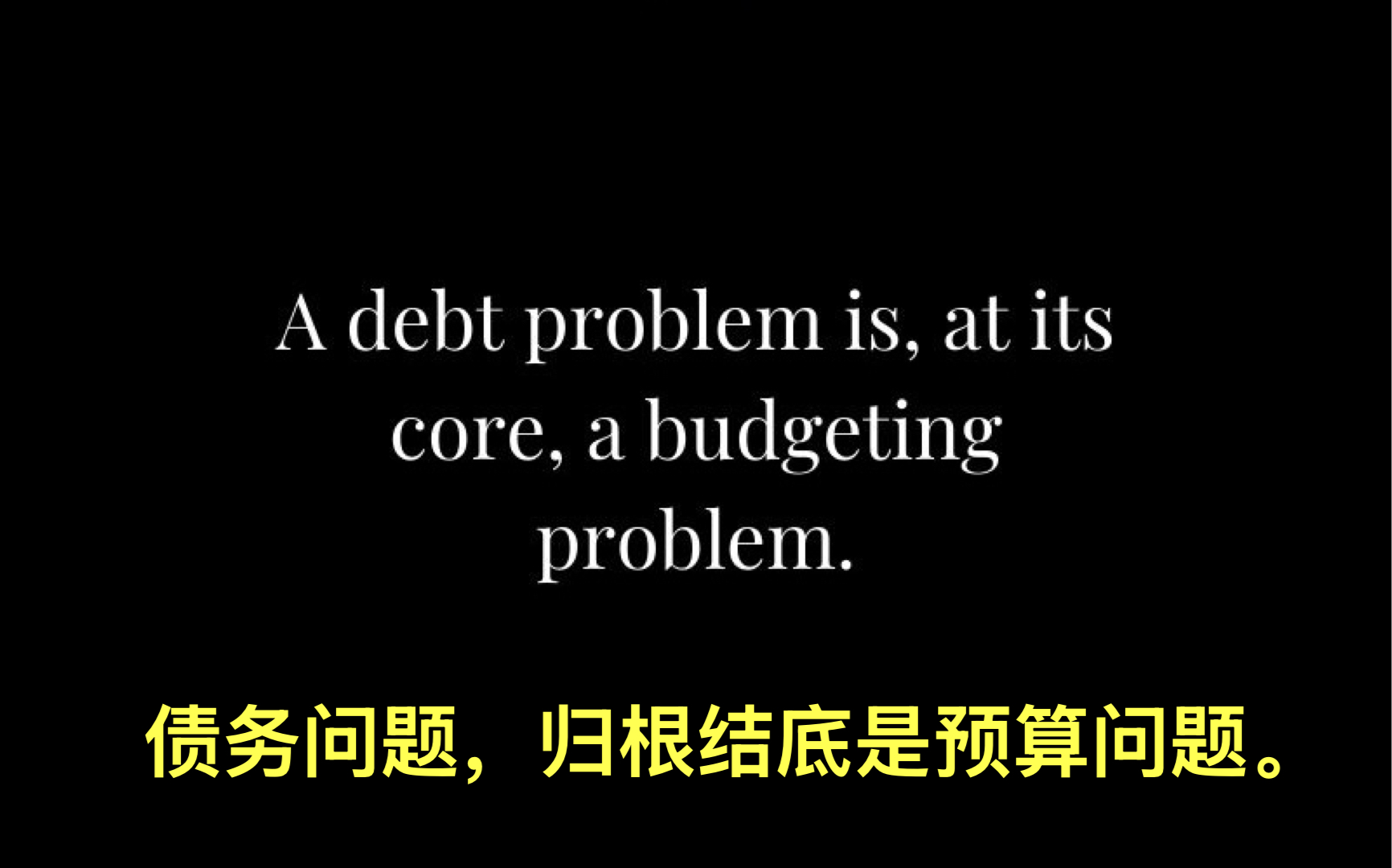
Penganggaran merupakan alat praktikal yang membantu kita membuat keputusan yang bijak, mengawal perbelanjaan dan mengelakkan hutang yang tidak perlu. Ia memberikan kejelasan tentang ke mana sumber kita pergi dan melindungi kita daripada perbelanjaan yang cuai atau emosi. Sebaliknya, perancangan membolehkan kita menetapkan matlamat yang realistik, bersedia untuk cabaran masa depan dan bergerak maju dengan yakin dan bukannya cemas. Secara bersama-sama, penganggaran dan perancangan membentuk asas yang kukuh untuk kestabilan jangka panjang dan kebebasan daripada tekanan kewangan yang berterusan.
Apabila kita merancang dengan tekun—dengan menetapkan bajet yang realistik, meramalkan perbelanjaan dan menjangka cabaran yang berpotensi—kita dapat mengurangkan risiko keputusan impulsif yang sering membawa kepada kerugian. Sebaliknya, perbelanjaan yang tergesa-gesa dan kekurangan perancangan biasanya mengakibatkan tekanan, penyesalan dan tekanan kewangan.
Walau bagaimanapun, prinsip ini melangkaui sekadar nombor dan hamparan. Pada terasnya, ia adalah tentang memupuk pemikiran yang saleh—yang ditandai dengan kesabaran, disiplin, dan pandangan jauh. Nilai-nilai murni ini membentuk watak kita dan meletakkan kita untuk mengalami keberuntungan yang berkekalan dan bukannya keuntungan yang sementara.
Paling penting, penganggaran dan perancangan adalah tindakan pengawasan yang setia. Ia mencerminkan keinginan kita untuk memuliakan Tuhan dengan mengurus sumber-sumber-Nya dengan penuh perhatian, tanggungjawab, dan ketaatan.
Amsal 21:5 mengingatkan kita untuk mempercayai masa Tuhan, menahan tekanan untuk hasil segera, dan menerima ketaatan yang sabar. Dalam dunia yang mengutamakan jalan pintas, Tuhan memanggil umat-Nya untuk ketekunan yang teguh. Buah yang berkekalan—dalam kewangan kita, pekerjaan kita, dan watak kita—mengalir dari perancangan yang setia dan usaha yang konsisten.
"Berhati-hati dengan perbelanjaan kecil. Kebocoran kecil akan menenggelamkan kapal yang hebat." - Benjamin Franklin