Séminaire en ligne Tyrannus
Blog du site
 DAILY REFLECTION
4 Sept 2026
“Now it is required that those who have been given a trust must prove faithful.”
1 Corinthians 4:2
Faithfulness is easy to speak about when life is going well. Its true depth is often revealed when life becomes difficult and costly.
In 2006, when Edmund suddenly lost his beloved wife, he was left to raise their three young children alone. Amid his grief, he faced the enormous responsibility of becoming their caregiver, provider and emotional anchor.
In that painful season, Edmund made a deeply personal decision: he would remain single and devote himself wholeheartedly to raising his children. Friends and family encouraged him to consider remarriage, hoping companionship would ease his burden. While Scripture permits remarriage after the death of a spouse, Edmund personally chose another path—one he believed reflected his commitment to the family God had entrusted to him.
There were lonely nights, financial pressures, emotional struggles and the daily demands of raising three children. Yet Edmund persevered. His trust in God gave him strength to continue when the responsibility must have felt overwhelming.
His children did not merely hear their father speak about faithfulness—they watched him live it. They saw a father who remained steadfast when life became difficult, a provider who faithfully carried his responsibilities, and a man who placed their needs before his own comfort.
Today, his children have grown into strong and grounded adults. They carry with them the legacy of a father whose life demonstrated perseverance, sacrifice and love.
This is the heart of 1 Corinthians 4:2: God calls us to be faithful with what He has entrusted to us.
Each of us has been given something to steward—our family, marriage, children, ministry, career, resources, gifts or influence. Faithfulness means honouring these responsibilities even when the journey becomes difficult and no one applauds us.
God does not measure our lives merely by visible success. He looks for faithfulness.
Perhaps the question for us today is simple: What has God entrusted to me, and am I being faithful with it?
“Faithfulness is proven not when the journey is easy, but when we continue to honour God even when it becomes difficult.”
 DAILY REFLECTION
3 Sept 2026
“The Lord is close to the brokenhearted and saves those who are crushed in spirit.”
Psalm 34:18
Just two days ago, I wrote about YB Hannah Yeoh, reflecting on meekness from Matthew 5:5 and how we can remain faithful to our convictions while serving others with humility and grace.
Yesterday I was deeply saddened to learn that her marriage of 18 years has ended in divorce. Without knowing the private circumstances, it is neither our place to speculate nor to judge. Instead, this news reminds us that behind every public figure is a human heart, and behind every broken relationship are people who need grace, prayer and compassion.
Eighteen years of marriage represents a long journey of shared memories, dreams, joys and struggles. When such a relationship ends, the pain can be profound—not only for the couple, but also for their children and those closest to them.
Psalm 34:18 offers a beautiful promise: “The Lord is close to the brokenhearted.”
The Scripture does not say God is close only when everything is going well. He draws especially near when our hearts are broken and our spirits crushed.
Separation can feel like losing more than a relationship. It may involve grieving shared dreams, familiar routines and a future once imagined together. Yet in such moments, God does not abandon us in our brokenness. He meets us there.
His presence becomes a refuge where tears need not be hidden, questions need not have immediate answers, and healing does not need to be rushed.
As fellow believers, our response to someone experiencing marital brokenness should therefore not be gossip, speculation or condemnation, but prayer, compassion and grace. We may not understand what happened behind closed doors, but we can entrust those who are hurting to the God who knows every detail.
Healing may take time. Some wounds run deep. But Psalm 34:18 assures us that a broken heart is never beyond the reach of God.
When our hearts are broken, God comes near—not always to explain everything, but to carry us through it.
May we remember YB Hannah and her family in prayer, asking God to surround them with His grace, wisdom, healing and peace.
“Our brokenness does not drive God away; it becomes a place where we can discover how near He truly is.”
 DAILY REFLECTION
2 Sept 2026
"Refrain from anger and turn from wrath; do not fret—it leads only to evil."
Psalm 37:8
“Refrain from anger and turn from wrath; do not fret—it leads only to evil.”Psalm 37:8
One rainy evening, Mdm Sui, was involved in a minor collision at a narrow intersection along the busy North-South highway.
Shaken and frustrated, she stepped out to find out what had happened. Driver B also came out of his car, and there was a noticeable smell of alcohol on him. As they confronted each other, emotions rose. Sharp words were exchanged, and both blamed the other for the accident.
Then the unthinkable happened.
Overcome by rage, Driver B returned to his car, pulled out a revolver and fired at Mdm Sui. She was fatally wounded.
Within moments, a minor accident became an irreversible tragedy.
Psalm 37:8 warns us, “Refrain from anger and turn from wrath… it leads only to evil.”
Anger is a natural human emotion, but when we allow it to control us, it can cloud our judgment and lead to words and actions with lifelong consequences. When alcohol, pride or provocation further weakens self-control, the danger can become even greater.
The Bible does not tell us that we must never feel angry. Instead, it teaches us not to let anger rule our response.
We do not have to answer every harsh word.
We do not have to retaliate when provoked.
We do not have to prove that we are right in the heat of the moment.
Sometimes, walking away is not weakness—it is wisdom.
We cannot control another person’s behaviour, but with God’s help, we can control our response. In moments of tension, choose restraint over retaliation, grace over anger, and peace over pride.
One moment of uncontrolled anger can change a lifetime. One moment of self-control can prevent a lifetime of regret.
“Never allow a moment of anger to make a decision that could affect the rest of your life.”
 DAILY REFLECTION
1 Sept 2026
“Blessed are the meek, for they will inherit the earth.”
Matthew 5:5
Meekness is not weakness. Biblical meekness is strength under control—a quiet confidence rooted in humility, patience and trust in God.
This teaching is especially meaningful for Christians living as a minority. At times, we may face misunderstanding, criticism or even prejudice because of our faith. Our natural instinct may be to become defensive, confrontational or determined to prove our point. But Jesus shows us another way: to stand firm in our convictions while remaining humble and gracious in spirit.
In Malaysia, YB Hannah Yeoh offers a contemporary example worth reflecting on. As a Chinese Christian serving in national leadership within a diverse, multi-racial and multi-religious society, she reminds us of the importance of engaging people of different backgrounds with respect while remaining open about one’s faith.
Whatever our political views, there is a valuable principle here. Christians do not need to be louder or more confrontational in order to make an impact. Our influence can come through character, integrity, faithful service and the way we treat others.
Meekness does not mean compromising our faith. It means expressing our faith with humility and grace.
We can hold strong convictions without becoming harsh.
We can disagree without becoming disrespectful.
We can stand for what is right without attacking others.
We can remain faithful to Christ while building bridges with those who believe differently.
Jesus said, “Blessed are the meek, for they shall inherit the earth.” The world often associates influence with power, position and dominance. Jesus presents a different picture: God honours humility, faithfulness and Christlike character.
As minority Christians, our greatest influence may not come from having the loudest voice or the greatest power, but from living faithfully, serving sacrificially and loving graciously.
“Meekness is courageous faith under control—strength that trusts God enough not to fight every battle.”
 DAILY REFLECTION
28 Aug 2026
“Very early in the morning, while it was still dark, Jesus got up, left the house and went off to a solitary place, where he prayed.”
Mark 1:35
In one of the darkest seasons of my life, uncertainty weighed heavily on my heart. I could not see clearly what lay ahead, and questions filled my mind. When human wisdom seemed insufficient and the way forward uncertain, I found myself turning increasingly to God in prayer, seeking His presence, strength and direction.
Mark 1:35 became especially meaningful to me: “Very early in the morning, while it was still dark, Jesus got up, left the house and went off to a solitary place, where He prayed.”
Despite the demands surrounding Him, Jesus intentionally withdrew from the noise to spend time with His Father. If Jesus made prayer a priority, how much more do we need that quiet place with God?
During my own struggles, I began seeking God in the early hours of the morning. I brought Him my fears, frustrations and uncertainties. I did not always receive immediate answers, nor did my circumstances suddenly change. Yet something began to change within me. As I prayed and waited upon Him, His peace gradually replaced my anxiety, and His presence gave me strength to face another day.
Through His Word, God reminded me that I was not walking through the valley alone. Even when I could not see the whole path, I could trust Him for the next step. Prayer did not remove every difficulty, but it changed how I walked through them.
Looking back, I realise that some of my darkest moments became sacred places of encounter with God. What seemed like a season of uncertainty became a season in which I learned to depend more deeply upon Him.
We all need our own “solitary place.” Amid responsibilities, pressures and distractions, we need intentional moments to withdraw, pray and listen.
Time alone with God is not a luxury reserved for peaceful seasons. It is often in our darkest hours that we most need the quiet place where His presence renews our strength, settles our hearts and gives us courage for the next step.
“Prayer may not immediately change our circumstances, but it changes us.”
 DAILY REFLECTION
27 Aug 2026
“It is more blessed to give than to receive."
Acts 20:35
On the evening of the 25th, I had the privilege of joining Dr David Mahfouz and Dr Peter from Southwestern Baptist Theological Seminary (SWBTS) for dinner with leaders from several theological institutions. Though representing different seminaries and backgrounds, we shared one common desire: to strengthen theological education and equip the next generation for God’s Kingdom.
During our conversation, I invited Dr Mahfouz and Dr Peter to visit Tyrannus Online Seminary (TOS) to explore possible collaboration. What emerged was an extraordinary expression of Kingdom generosity.
SWBTS professors and lecturers were willing to offer their expertise pro bono. Academic resources could be provided freely without royalty fees. Visiting professors were even prepared to cover their own travel expenses. Consultation and academic guidance would be freely given, while student tuition fees would remain entirely with TOS to strengthen and sustain the ministry.
What touched me most was the spirit behind it. The question was not, “What can SWBTS receive from TOS?” but rather, “How can SWBTS help TOS become stronger?”
Immediately, I was reminded of Jesus’ words recorded in Acts 20:35:
“It is more blessed to give than to receive.”
Kingdom generosity is more than giving money. We can give our time, knowledge, experience, resources, influence and encouragement. Everything God places in our hands can become a blessing to others.
The world often asks, “What is in it for me?” Jesus invites us to ask instead, “What has God placed in my hands that I can use to bless someone else?”
This is the heart of Kingdom partnership. It is not about building our own name or institution, but about building God’s Kingdom together.
May we hold everything God has entrusted to us with open hands, becoming faithful stewards and willing channels of His grace.
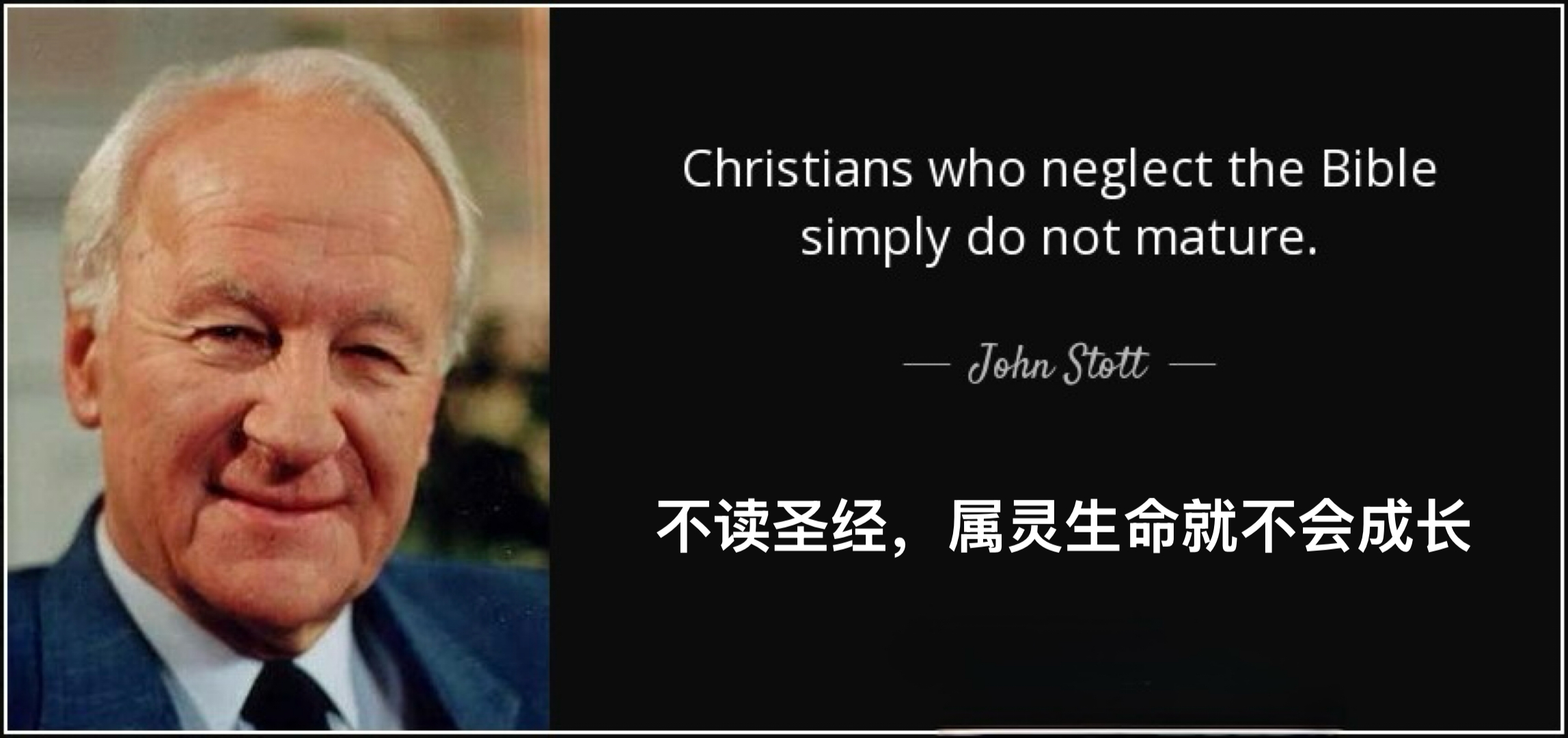
“Kingdom generosity is what has God placed in your hands that you can use to bless others.”
 DAILY REFLECTION
26 Aug 2026
“Be alert and of sober mind. Your enemy the devil prowls around like a roaring lion looking for someone to devour.”
1 Peter 5:8
Sarah had recently surrendered her life to Christ and was filled with joy and eagerness to grow in her newfound faith. She joined a church cell group, began building relationships with other believers and openly shared glimpses of her life on social media.
Through these connections, she encountered someone who appeared spiritually gifted, caring and trustworthy. His words sounded convincing, and his apparent spirituality gradually gained her confidence. Although concerned cell members cautioned her, Sarah believed his intentions were sincere and continued to trust him.
Sadly, that trust was betrayed. What initially appeared to be spiritual guidance slowly became unhealthy influence and manipulation. Eventually, Sarah discovered that she had been deeply violated and financially deceived.
Her painful experience reminds us of Peter’s warning in today’s verse:
“Be sober, be vigilant; because your adversary the devil walks about like a roaring lion, seeking whom he may devour.”
Spiritual vigilance does not mean that we should live in fear, suspicion or distrust of everyone around us. Rather, it means cultivating discernment, wisdom and spiritual awareness.
Not everyone who speaks spiritual words necessarily possesses godly character. Spiritual gifts, charisma and impressive language should never replace the importance of integrity, accountability and the fruit of a Christlike life.
This is also why God places us within a community of believers. Sometimes others can see dangers that we cannot see ourselves. Mature believers who lovingly caution us are not necessarily trying to control us; they may be God’s instruments of protection and wisdom.
When someone has been deceived or violated, our response should never be condemnation. It should be compassion, protection, truth and restoration.
In a world where appearances can be deceiving, let us remain anchored in God’s Word, attentive to wise counsel and sensitive to the Holy Spirit.
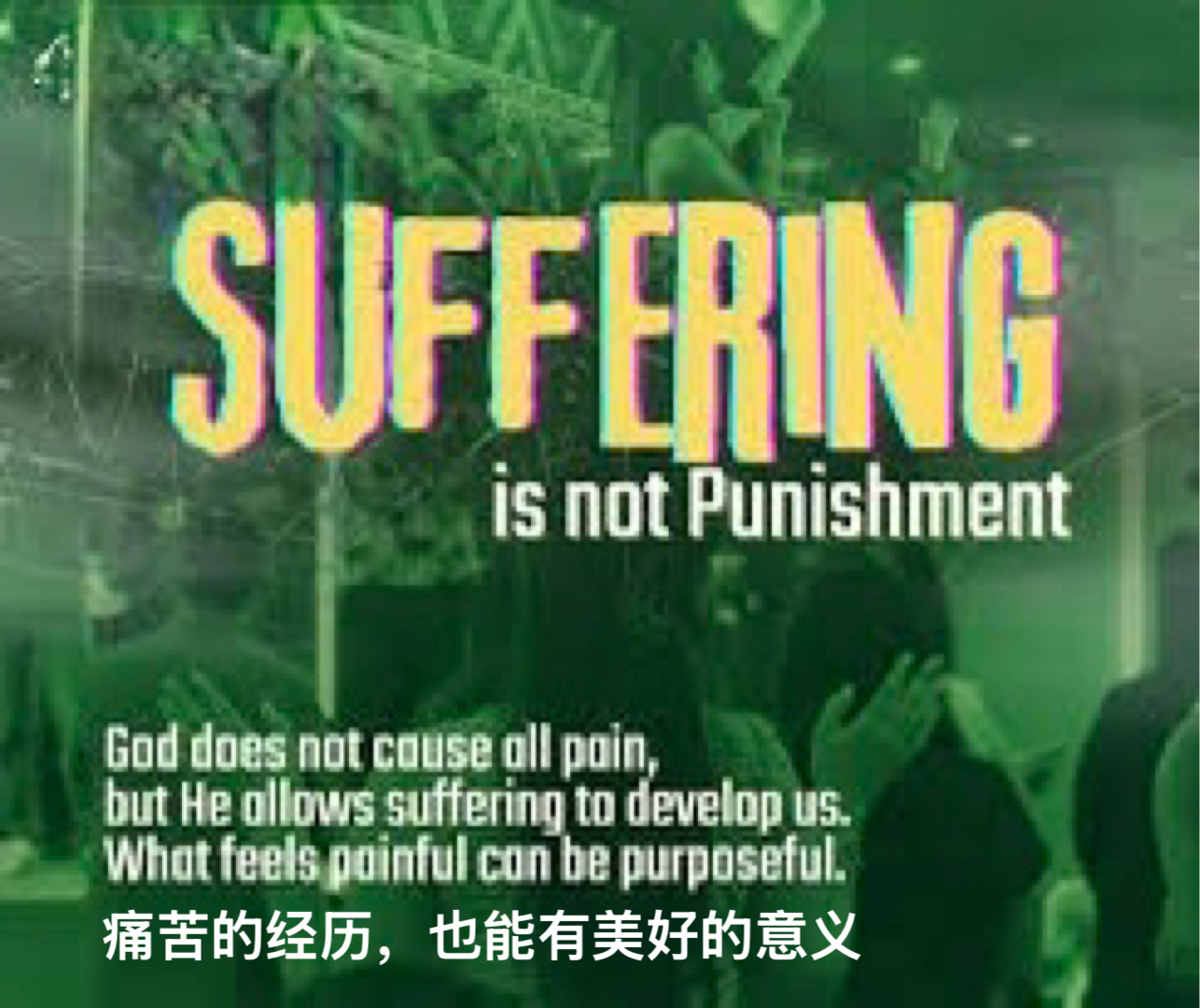
“Spiritual maturity is not reached by the passing of the years, but by obedience to the will of God.”
 DAILY REFLECTION
25 Aug 2026
“For to me, to live is Christ and to die is gain.”
Philippians 1:21
Born into a Sikh family in India, Sundar Singh experienced a dramatic transformation when, as a young man, he encountered Jesus Christ. His conversion did not merely change his religion; it changed the entire direction of his life. He surrendered himself to Christ and devoted his life to making Jesus known.
His journey was far from easy. Sundar Singh faced rejection, persecution, physical hardship and danger as he travelled through difficult regions proclaiming the Gospel. Yet suffering did not silence him. Instead, it strengthened his conviction.
He once expressed his desire “to be a Christian not only in name but also in reality.” His life reflected the words of Paul:
“For to me, to live is Christ and to die is gain.”
— Philippians 1:21
“To live is Christ” means that Christ is not merely part of our lives—He becomes the centre of our lives. Our identity is no longer defined primarily by our ambitions, possessions, careers or achievements. Instead, we begin to ask: How can my life glorify Christ?
Sundar Singh understood this. He was willing to surrender comfort, security and even personal safety because he had discovered something more precious—the presence of Christ.
But what does Paul mean by “to die is gain”?
It does not mean that Christians should seek suffering or death. Life is God’s precious gift, and we are called to steward it faithfully. Rather, Paul was expressing his confidence that death does not have the final word. For those who belong to Christ, beyond death is the promise of being with Him forever.
This truth changes how we face suffering.
Trials are painful. Loss hurts. The future can be uncertain. Faith does not require us to deny these realities. But suffering need not destroy our hope, because our present circumstances are not the end of our story.
We may never face the dangers Sundar Singh faced, but every believer is called to the same surrender.
When life is comfortable, live for Christ.
When the road becomes difficult, hold on to Christ.
When the future is uncertain, trust Christ.
Sundar Singh reminds us that Christianity is more than carrying the name of Christ; it is allowing Christ to possess our whole life.
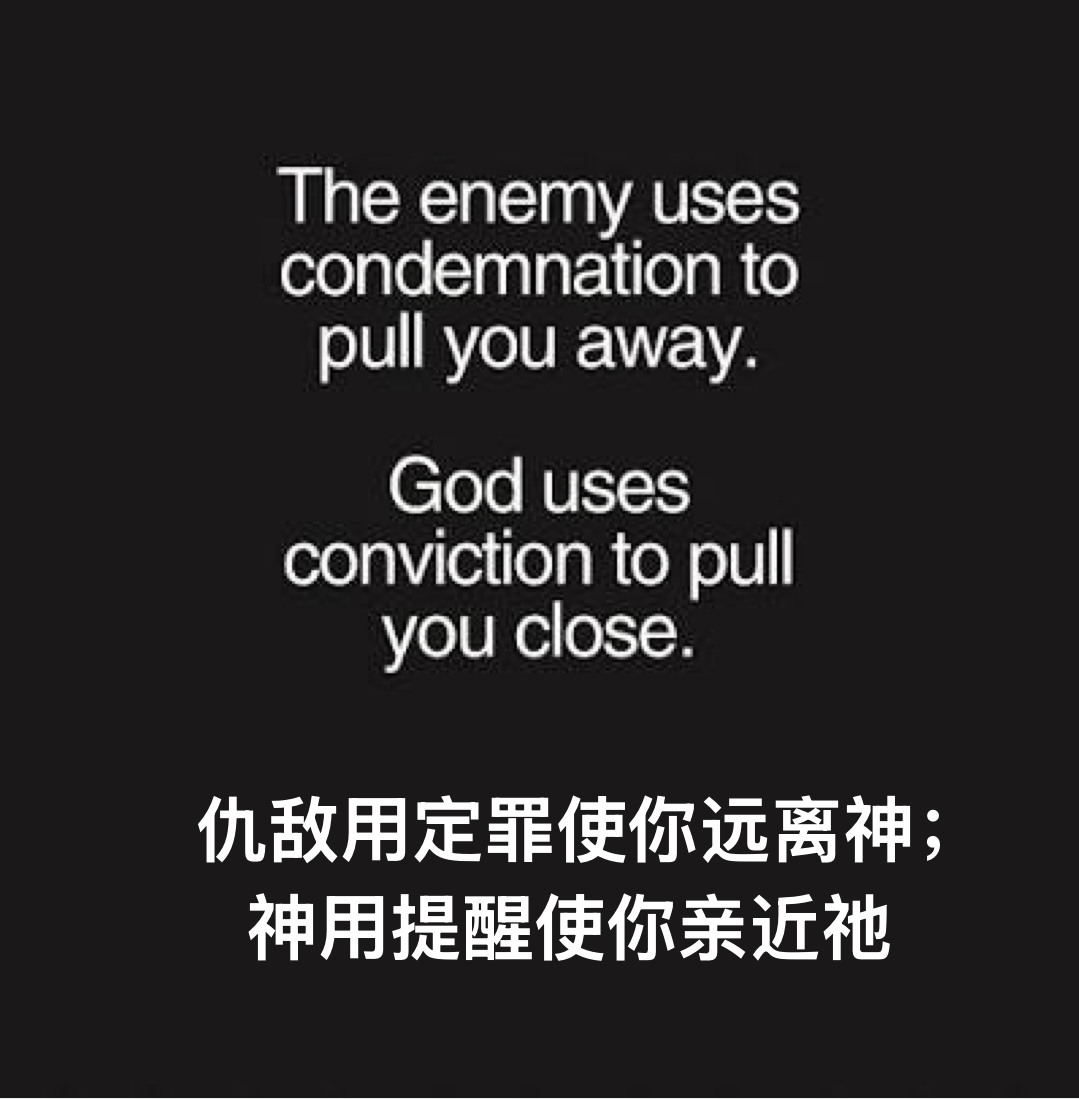
“When Christ becomes our life, even suffering cannot take away our hope.”
 DAILY REFLECTION
24 Aug 2026
“Do not destroy the work of God for the sake of food. All food is clean, but it is wrong for a person to eat anything that causes someone else to stumble.”
Romans 14:20
About 35 years ago, I was attending a birthday dinner for a lawyer friend. Seated at our table were several guests, including a Muslim gentleman named Mr. Syed. We were enjoying the evening together when the third dish arrived—a whole roasted piglet.
I still remember Syed’s expression. His eyes were immediately drawn to the face of the piglet, and for a moment, there was unmistakable disbelief. The dish was clearly contrary to his religious convictions and dietary laws. Yet Syed did not create a scene. He did not condemn the host or make others feel uncomfortable. He simply chose not to partake of the dish while continuing to engage warmly with everyone around the table. The food did not become more important than the friendship. That moment left a lasting impression on me
Romans 14 addresses disagreements among believers over matters such as food and observance of special days. Paul’s concern is not that convictions do not matter. They do. But our convictions should never become an excuse to despise, judge or wound another person.
Paul reminds us that food is temporary, but people matter deeply to God. We must therefore be careful not to allow something as ordinary as what we eat—or do not eat—to become a barrier that damages relationships.
This principle extends beyond the church. We live among people of different cultures, traditions and faiths. Our differences are real and should be respected, not ignored. Yet we can hold firmly to our convictions while still treating others with dignity, kindness and honour.
That evening, Syed did not compromise his beliefs. He simply refused to allow a difference over food to destroy the fellowship.
Perhaps that is the lesson I still carry today: Conviction does not require condemnation. We can remain faithful to what we believe while extending grace to those who believe differently.
And sometimes, choosing peace around a dinner table can become a quiet but powerful testimony of grace.
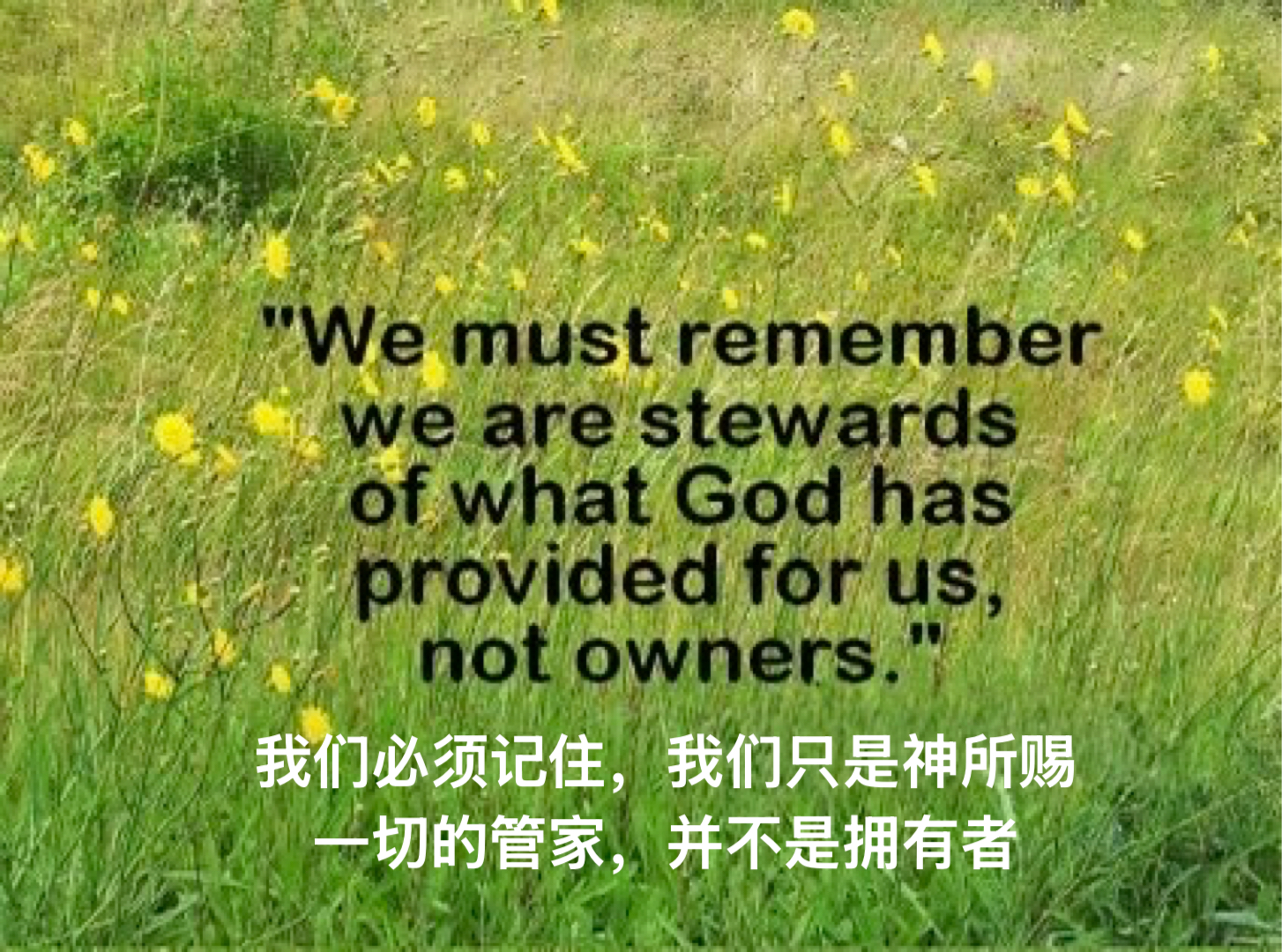
“Conviction does not require condemnation. We can remain faithful to what we believe while extending grace to those who believe differently.”
 DAILY REFLECTION
21 Aug 2026
“The plans of the diligent lead to profit as surely as haste leads to poverty.”
Proverbs 21:5
Before the pandemic, the son of a friend of mine was working as a pilot, while his wife was an air hostess. Together, they earned more than RM30,000 a month and enjoyed a comfortable life in a terrace house. With good careers and steady incomes, their future seemed secure.
As their income grew, so did their expectations. Confident that their earnings would continue, they decided to upgrade their lifestyle and purchased a bungalow.
Then the pandemic came.
The aviation industry was severely affected, and suddenly both husband and wife lost their jobs. Two reliable incomes disappeared almost overnight, but their financial commitments remained. What had once seemed affordable quickly became a heavy burden.
Their experience reminds me of the wisdom of Proverbs 21:5. Scripture does not condemn success, prosperity, or enjoying the fruit of our labour. Neither does it teach us to live in constant fear of tomorrow. Rather, it warns us against haste—making major decisions based only on present circumstances without carefully considering what may lie ahead.
There is an important difference between faith and presumption.
Faith trusts God while exercising wisdom. Presumption assumes that because things are going well today, they will necessarily continue tomorrow.
Financial stewardship therefore requires more than asking, “Can I afford this now?” We should also ask, “If circumstances change, can I still carry this responsibility?”
Life is uncertain. Jobs can disappear, businesses can struggle, economies can change, and unexpected crises can come. We cannot predict everything, but we can prepare wisely.
This is why biblical stewardship calls us to live within our means, avoid unnecessary debt, save for difficult seasons, and seek God’s wisdom before making major commitments.
Perhaps you are considering an important financial decision today. Do not be pressured by comparison or the desire for immediate gratification.
Pray carefully. Plan diligently. Move patiently.
God’s blessing does not require us to rush. Sometimes wisdom means having the patience to wait until the foundation is strong enough to carry the dream.
“Careful planning is a mark of wisdom, stewardship, and foresight.”