Tyrannus Online Seminary
Blog du site
 DAILY REFLECTION
19 June 2026
“You are the salt of the earth… You are the light of the world.”
Matthew 5:13-14
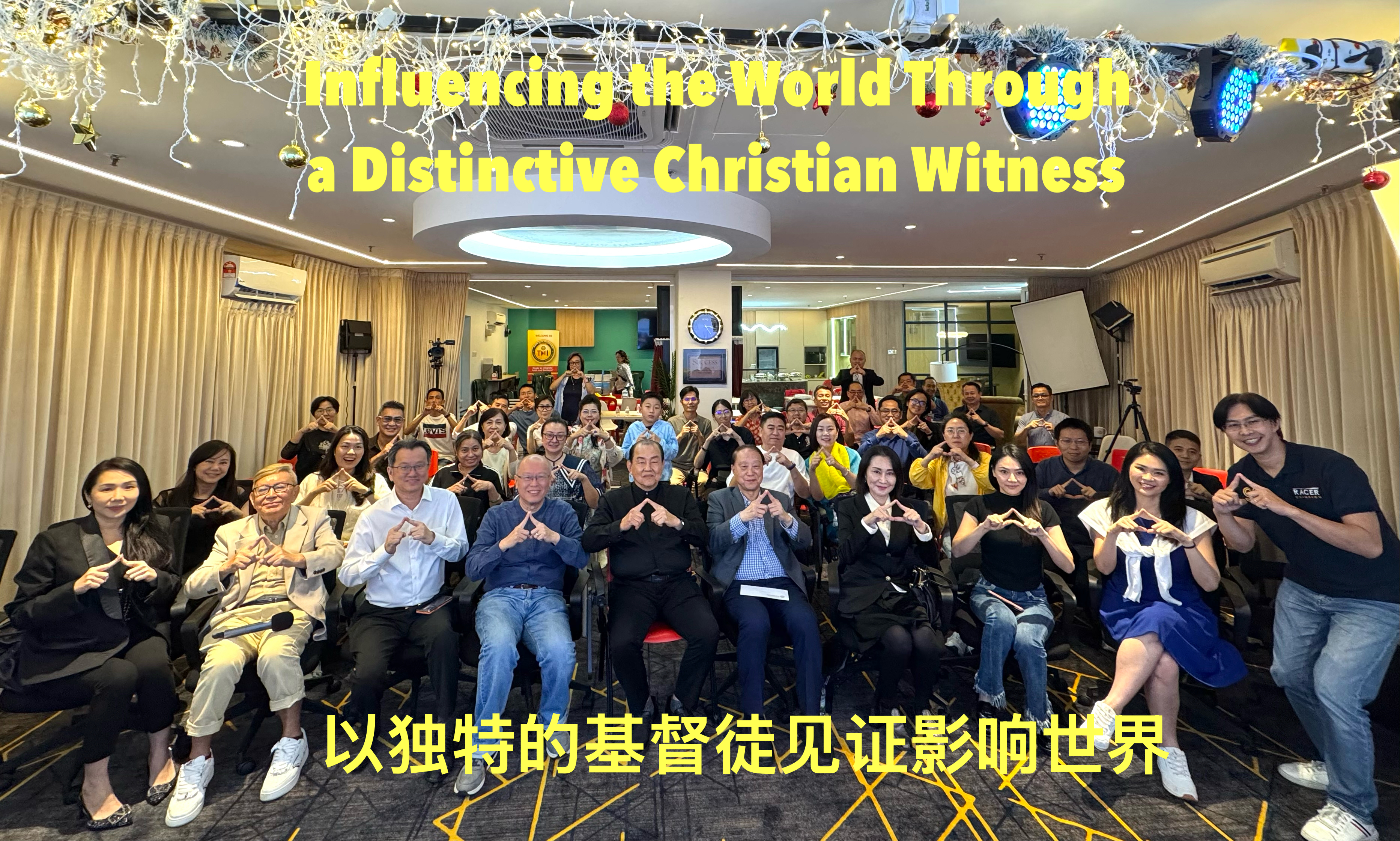
We were deeply privileged to host Dr. Roger Kung Yi at the TNI platform yesterday. As a renowned Chinese-American technologist, innovator, author, and leader in Christian marketplace ministry, Dr. Kung is widely respected throughout the Chinese-speaking Christian world for his remarkable integration of faith, leadership, and business. Drawing from decades of experience in both the corporate and ministry spheres, he challenged us to pursue our God-given calling with excellence, purpose, and an eternal perspective.
One of the key truths he emphasized is that what is unseen is often more important than what is seen. Character, calling, and spiritual influence may not always be visible, yet they ultimately determine the depth and lasting impact of our lives. This truth resonates powerfully with Jesus’ words in Matthew 5:13–14, where He calls His followers to be the salt of the earth and the light of the world.
As Christians, we are called to preserve godly values in a world increasingly marked by moral confusion and spiritual decline. We fulfill this calling not merely through our words, but through lives characterized by integrity, humility, compassion, and obedience to God. Our daily conduct should reflect Christ and positively influence the environments in which He has placed us.
Likewise, believers are called to shine with the hope, love, and truth of Christ in a world often overshadowed by fear, uncertainty, and brokenness. This light is not self-generated; it is the reflection of Christ living within us. As we demonstrate His character through acts of kindness, mercy, justice, and faithful witness, others are drawn not to us, but to the Savior whom we represent.
Matthew 5:13–14 challenges us to live distinctively as salt and light. Our faith was never intended to remain private or hidden. It is meant to be visible, transformative, and influential. Whether in our homes, churches, workplaces, or communities, God calls us to make a difference through lives that consistently reflect His presence and truth.
“The world is changed not merely by what Christians say, but by what they consistently are—salt that preserves and light that shines for the glory of God.”
 DAILY REFLECTION
18 June 2026
“And the things you have heard me say in the presence of many witnesses entrust to reliable people who will also be qualified to teach others.”
2 Timothy 2:2
After thirty months marked by anxiety, challenges, uncertainty, perseverance, and complete dependence upon God following the passing of Prof. Dr. Paul Cheng, Tyrannus Online Seminary (TOS) reached a significant milestone when it received full ATA accreditation on 19 September 2025. What once seemed beyond reach became a testimony of God’s faithfulness and provision.
With deep gratitude to the Lord, I stepped aside on 22 November 2025 and entrusted the leadership of the seminary to a new Principal, Dr Andrew Teo. Together, we continue to strengthen the institution, expand its ministry, and pursue excellence in theological education so that future generations may be equipped to serve Christ faithfully.
This journey vividly illustrates the principle found in 2 Timothy 2:2. Christian ministry was never intended to revolve around one individual. Rather, God’s work advances through the intentional investment of faithful leaders who equip others to carry the mission forward.
In today’s verse, Paul presents four generations of disciples: Paul, Timothy, faithful believers, and those whom they will eventually teach. This is the multiplying power of discipleship. The gospel is preserved and advanced when each generation intentionally trains and mentors the next.
Paul emphasizes faithfulness before ability. While knowledge, skills, and qualifications are important, God first looks for trustworthy men and women who will handle His truth with integrity. Effective Christian leadership is not built merely upon talent or position, but upon a life of obedience, humility, spiritual maturity, and steadfast commitment to Christ.
As believers learn from godly mentors and grow in their walk with the Lord, they become part of an unbroken chain of discipleship that stretches from one generation to another. Through this process, God’s truth continues to transform lives long after individual leaders have completed their earthly assignments.
As I reflect on God’s faithfulness throughout the TOS journey, I am reminded that the greatest milestone was not accreditation alone, but the assurance that the baton of theological education has been entrusted to faithful hands for generations to come.
2 Timothy 2:2 reminds us that we are merely stewards of what God has entrusted to our care. Our responsibility is to preserve the truth, equip faithful leaders, and ensure that the work continues long after we have completed our part.
“Faithful stewardship is not building a ministry around ourselves, but raising others who will carry Christ’s truth beyond our lifetime.”
 DAILY REFLECTION
17 June 2026
“Be strong, and let your heart take courage, all you who wait for the Lord!”
Psalm 31:24
Yesterday, I had the privilege of witnessing the National Leadership Handover Ceremony at Malaysia Campus Crusade for Christ. It was a meaningful occasion that celebrated faithful leadership, honored years of dedicated service, and marked a significant transition to a new generation of leaders. As I reflected on the event, I was reminded of God’s faithfulness in raising up servants to carry forward His work from one generation to the next. My prayer is that the Lord will continue to bless and powerfully use this ministry to advance His Kingdom and impact countless lives for Christ.
Leadership transitions are often accompanied by both anticipation and uncertainty. New responsibilities, unfamiliar challenges, and changing circumstances can create anxiety and raise questions about the future. Yet in moments such as these, David’s words in Psalm 31:24 offer timeless encouragement.
The command to “be strong” is not a call to rely on human determination or personal ability. Rather, it is an invitation to draw strength from God Himself. Likewise, the exhortation to “let your heart take courage” points to an inner confidence that comes from trusting in God’s sovereign rule and unfailing faithfulness. Whether we are handing over leadership or stepping into a new role, our confidence ultimately rests not in our experience, position, or capabilities, but in the Lord who directs every step.
David connects strength and courage with waiting on the Lord. Biblical waiting is not passive resignation but active trust. It is choosing to depend on God’s wisdom rather than our own, submitting to His timing rather than demanding immediate answers, and believing that He is at work even when the way forward seems uncertain. Such hope produces steadfastness, perseverance, and courage in the face of change.
Psalm 31:24 reminds us that true strength is inseparably linked to our hope in God. When our confidence rests in Him rather than in ourselves, He strengthens our hearts for every challenge and every transition. No matter what changes lie ahead, those who place their trust in the Lord can move forward with confidence, knowing that His grace is sufficient, His promises are sure, and His presence will never fail.
“Leadership may change hands, but God’s purposes never change. Those who place their hope in Him will always find strength and courage for the journey ahead.”
 DAILY REFLECTION
16 June 2026
“I will worship toward Your holy temple, And praise Your name For Your lovingkindness and Your truth; For You have magnified Your word above all Your name.”
Psalms 138:2
As I reflect on the notes I wrote during Dr. Joel Beeke’s presentation on the Twelve Foundational Teachings of the Puritans at the Ritz-Carlton Hotel on 13 June 2026, my heart is stirred afresh to pursue a deeper, more Scripture-centered walk with God. The Puritans remind me that the Christian life is far more than the accumulation of biblical knowledge; it is a living relationship with God in which His truth penetrates the heart, renews the mind, and transforms the entire life.
One of the greatest lessons I learn is that Christianity is not merely about knowing the truth, but about experiencing its transforming power. They challenged believers not only to understand Scripture intellectually, but also to cherish it affectionately, obey it faithfully, and live it consistently. Doctrine was God’s appointed means to enlighten the mind, warm the heart, and direct the life toward Christlikeness.
We live in an age overflowing with information, sermons, podcasts, and theological resources, yet genuine spiritual transformation is often lacking. It is possible to know much about God while remaining distant from Him. The Puritans understood that true spirituality begins when God’s truth moves beyond the mind and takes root in the heart.
The psalmist beautifully captures this conviction in today’s verse. His response is not merely intellectual acknowledgment of God’s attributes; it is heartfelt worship flowing from a personal experience of God’s steadfast love and faithfulness. What he knows about God has profoundly shaped how he loves God, trusts God, and worships God.
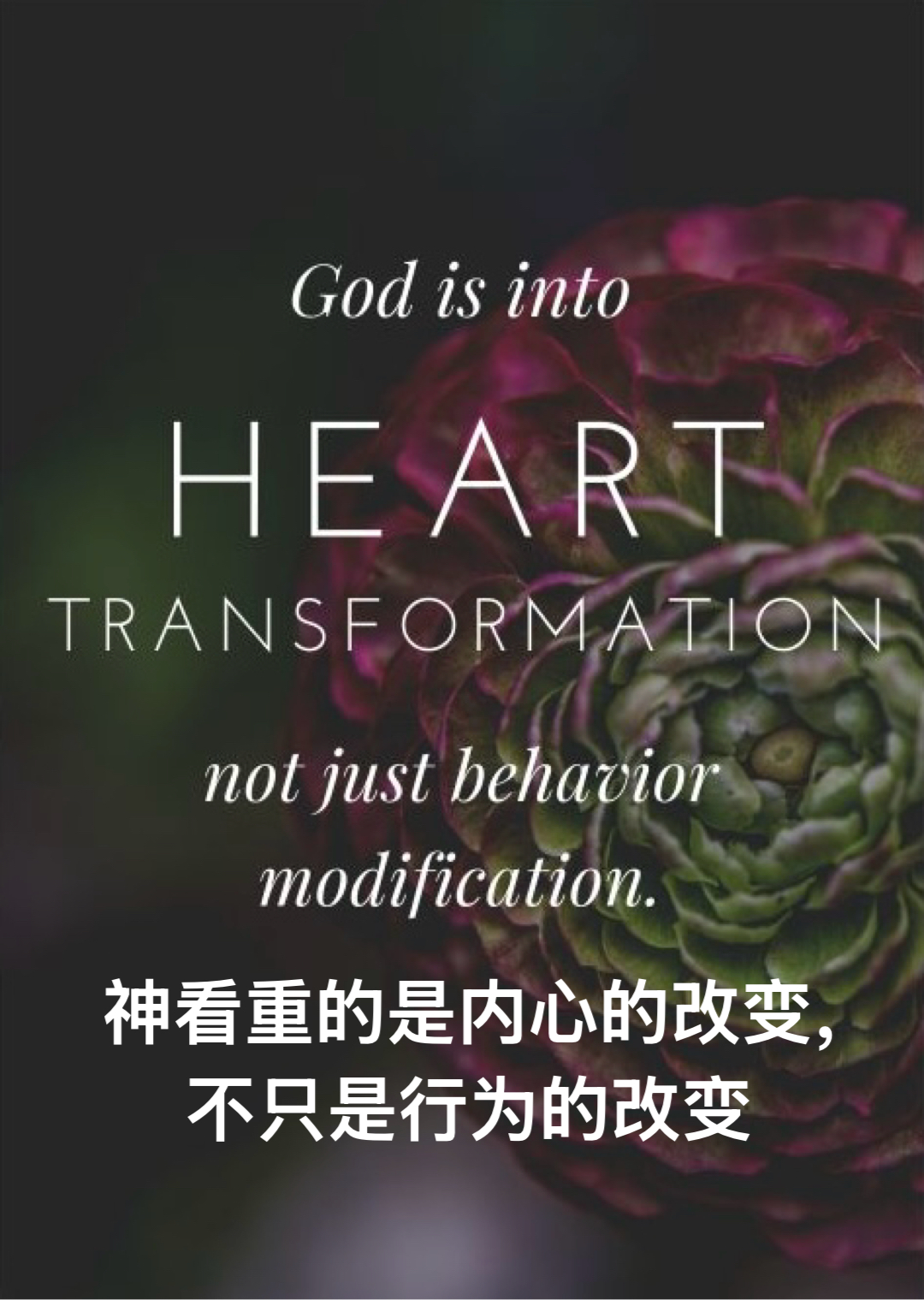
This is precisely what the Puritans taught us that true knowledge of God must penetrate the soul and shape our affections. Biblical truth is not meant merely to inform us; it is meant to transform us.
The Puritans often spoke of “experiential Christianity”. They believed believers should not merely understand God’s promises intellectually, but taste His goodness, trust His faithfulness, delight in His presence, and walk daily in fellowship with Him. Doctrine was meant to be lived, enjoyed, and experienced.
Psalm 138:2 therefore serves as a powerful reminder that God’s Word is not merely information to be studied, but divine truth to be treasured. When God’s Word occupies its rightful place in our hearts, it produces awe, gratitude, worship, and transformation.
“God’s truth was never meant merely to fill our minds; it was given to transform our hearts and shape our lives.”
 DAILY REFLECTION
15 June 2026
“For the grace of God has appeared that offers salvation to all people. It teaches us to say “No” to ungodliness and worldly passions, and to live self-controlled, upright and godly lives in this present age,”
Titus 2:11-12
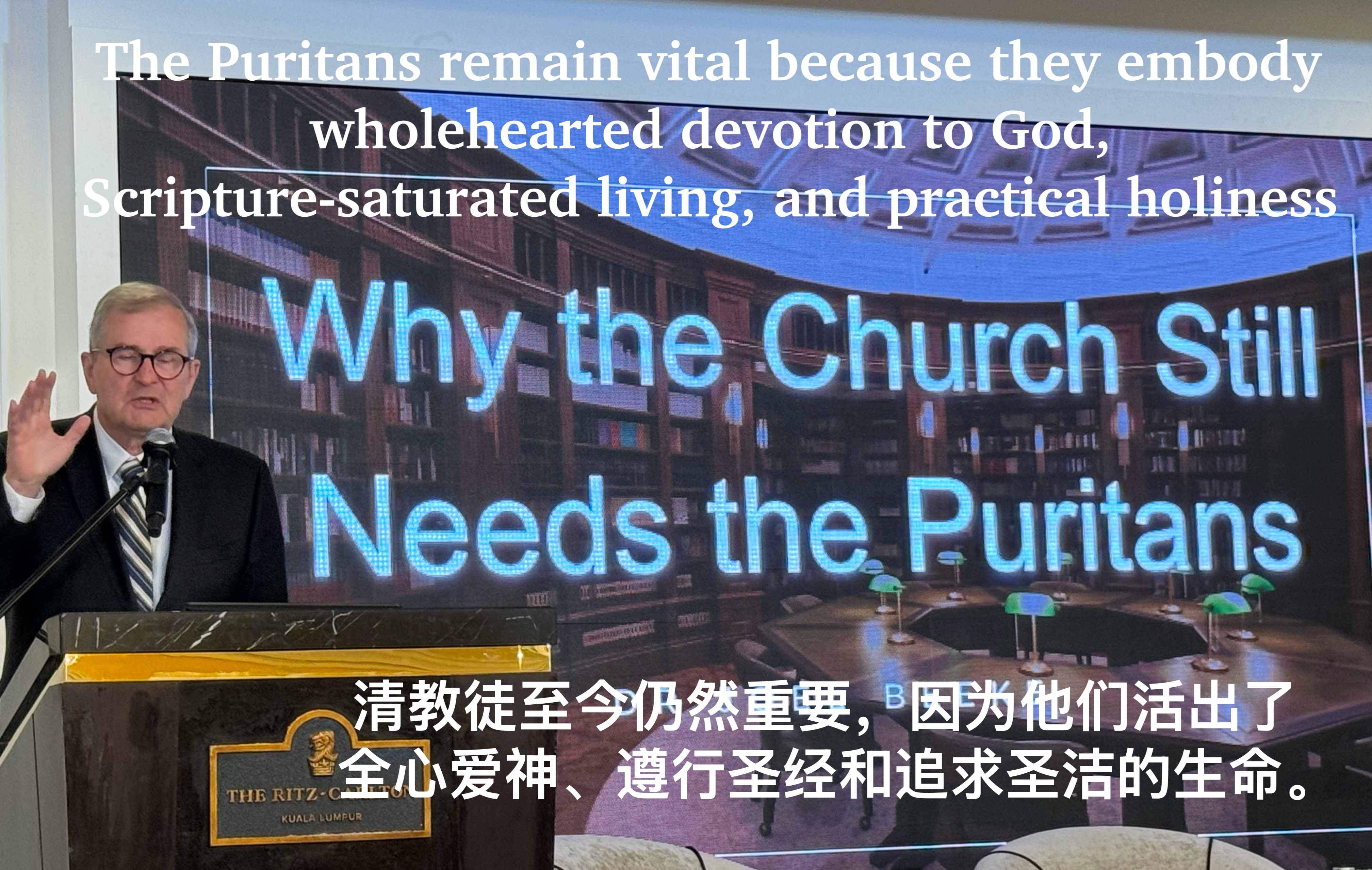
On 13 June 2026, my wife and I had the privilege of attending the launch of the Puritan Library at The Starhill, featuring Dr. Joel Beeke, President of Puritan Reformed Theological Seminary. The event brought together about 300 guests, including church leaders, pastors, and believers from various denominations across Malaysia. Despite our diverse backgrounds, we were united by a common desire to grow deeper in our understanding of God and His Word.
In his message, “Why the Church Still Needs the Puritans,” Dr. Beeke reminded us that the Puritans are far more than historical figures. Their writings continue to provide timeless wisdom for believers seeking a deeper walk with Christ. They emphasized a faith that engages the whole person—heart, mind, and conduct—and demonstrated how biblical truth should shape every area of life.
As I reflected on Dr. Beeke’s sharing, Titus 2:11-12 came to mind. The Puritans understood that God’s grace not only saves but also transforms. Grace is not merely forgiveness for the past; it is God’s power for holy living in the present. They taught that Scripture should govern our thoughts and actions, that sound doctrine must produce godly character, and that Christ must remain at the center of life and worship. They valued family discipleship, heartfelt prayer, genuine repentance, and a life lived for the glory of God. They also viewed suffering as a means by which God refines His people and deepens their faith.
Titus 2:11–12 reminds us that in an age of spiritual superficiality, the Puritans call us back to biblical depth, Christ-centered living, and authentic holiness. Their timeless message is clear: the grace that saves us is the same grace that transforms us into the likeness of Christ.
"The cross of Christ presents both the most awful exhibition of God’s hatred of sin as well as the richest manifestation of God’s readiness to pardon sin."
-Dr Joel Beeke
 DAILY REFLECTION
12 June 2026
“do not be anxious about anything, but in everything by prayer and supplication with thanksgiving let your requests be made known to God.”
Philippians 4:6
My early morning hours spent with the Lord have become an indispensable source of strength, wisdom, and hope. Each day begins with intentional time in prayer and meditation on God’s Word, allowing Him to renew my spirit and prepare me for the challenges ahead. Whenever the pressures of leading TOS seemed overwhelming, His presence consistently calmed my heart, strengthened my faith, and provided the direction I needed to move forward.
Looking back, I can clearly see God’s faithful hand at work throughout 2024. Despite numerous challenges and uncertainties, He sustained me and led me step by step. One of the greatest highlights was witnessing the joyful success of TOS’s second graduation ceremony, where fourteen graduands received their certificates and diplomas in theology. What once appeared impossible became a powerful testimony of God’s grace, faithfulness, and provision. Through every obstacle, He proved once again that where He guides, He also provides.
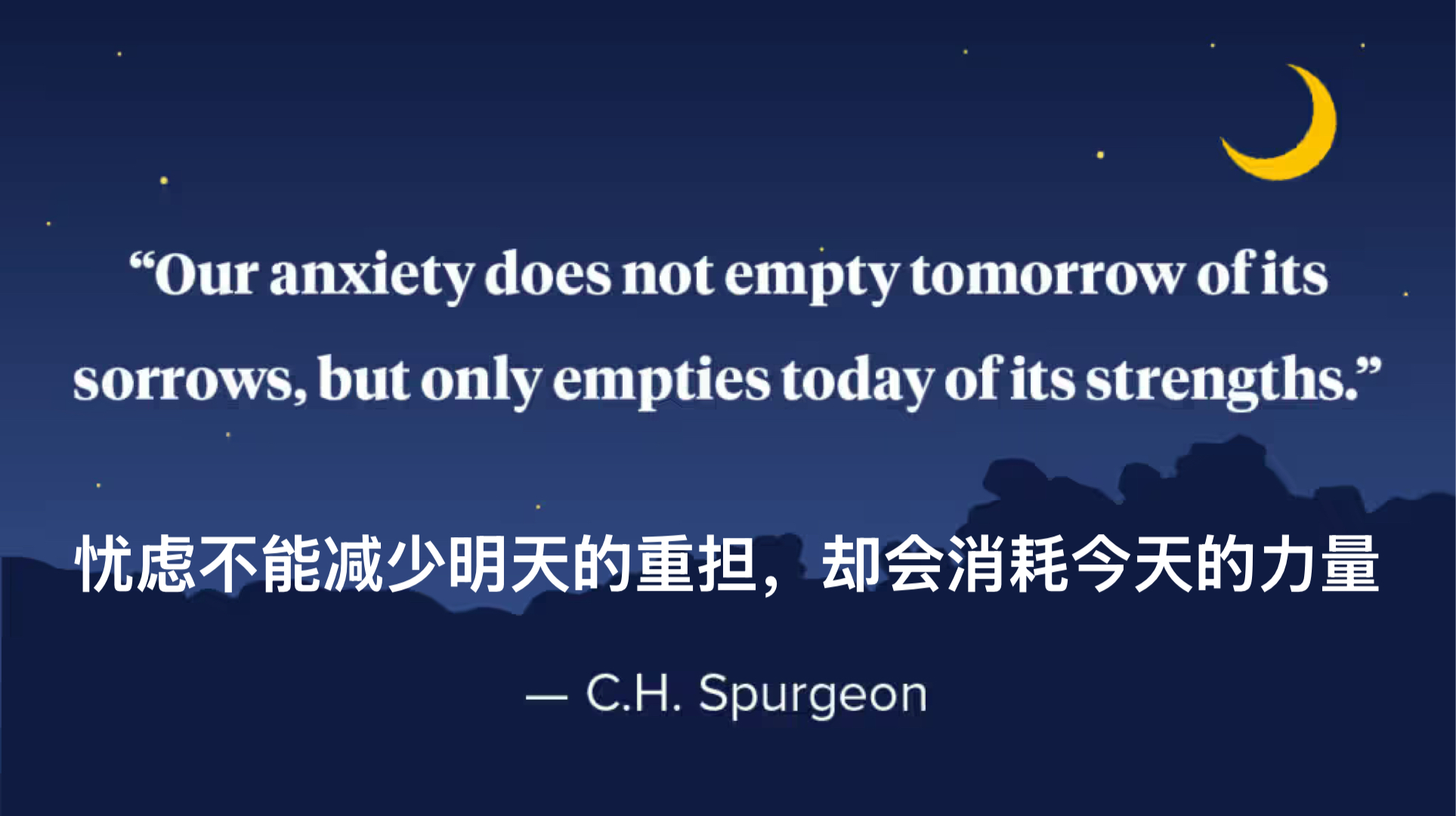
Apostle Paul reminds us that anxiety should never govern our hearts. Instead of allowing worry to consume us, we are invited to bring every concern to God in prayer. Prayer shifts our focus from the size of our problems to the greatness of our God. As we present our requests to Him, we acknowledge that we do not carry our burdens alone but entrust them to the One who is sovereign over all things and cares deeply for His children.
Philippians 4:6 invites us into a deeper and more intimate relationship with God. The more we trust Him, the lighter our burdens become, and the more clearly we experience His faithful care, provision, and peace in every season of life.
“When prayer becomes our first response instead of our last resort, anxiety gives way to peace, and God’s faithfulness becomes clear.”
 DAILY REFLECTION
11 June 2026
"Look at the birds of the air; they do not sow or reap or store away in barns, and yet your heavenly Father feeds them. Are you not much more valuable than they?"
Matthew 6:26
Since taking on the responsibility of leading TOS, I have often found myself burdened by anxiety and concern. The constant demands of ministry, together with the ongoing challenge of securing sufficient funds to meet TOS’s monthly operational needs, frequently threatened to rob me of my peace. Yet, in the midst of these pressures, the Lord repeatedly redirected my heart to the truth of His Word.
Time and again, Jesus reminded me to lift my eyes from my circumstances and observe the sparrows around me. Through this simple yet profound lesson, He reassured me of His faithful care and provision. If God faithfully feeds the birds of the air, how much more will He provide for those who belong to Him and for the work He has called them to do? As I learned to focus less on my problems and more on God’s promises, my anxiety gradually gave way to trust. He taught me to depend not on my own strength or resources, but on His unfailing faithfulness.
Jesus’ words in Matthew 6:26 reveal an important spiritual truth. While prudent planning and responsible stewardship are necessary, our ultimate security is never found in careful strategies, financial reserves, or human effort. Our security rests in God’s providential care. Worry cannot solve our deepest needs, extend our lives, or change tomorrow. Instead, it drains our strength, clouds our perspective, and distracts us from the faithfulness of God.
The birds serve as a daily reminder of this truth. They neither store up wealth nor live in anxious fear, yet God faithfully sustains them. In the same way, our Heavenly Father knows every need we face and promises to care for us. When anxiety arises, we can rest in the comforting assurance that we are infinitely valuable in His sight and securely held in His loving hands.
Matthew 6:26 calls believers to live with faith-filled dependence on God. As we work diligently and steward responsibly, we do so with confidence, knowing that our Heavenly Father is fully aware of our needs and will provide according to His perfect wisdom, timing, and purpose.
“The Father who sustains the birds has never failed to sustain His children.”
 DAILY REFLECTION
10 June 2026
“As iron sharpens iron, so one person sharpens another.”
Proverbs 27:17
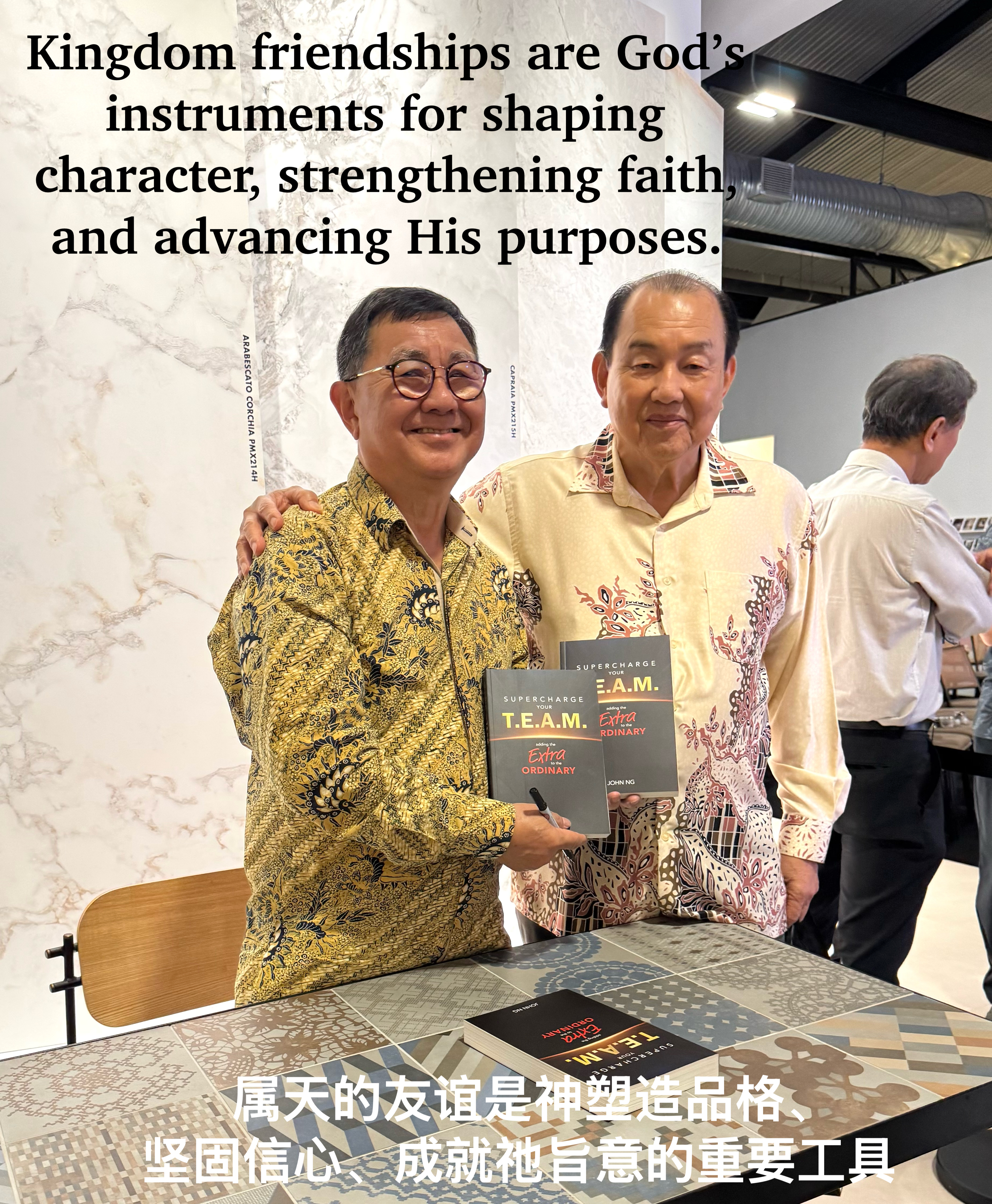
Last night, my wife and I had the privilege of reconnecting with many old friends and respected Christian leaders at the launch of Dr. John Ng’s new book. The event was officiated by our friend, YB Hannah Yeoh, and hosted at the Feruni Retail Store, owned by another dear friend, Dato’ CC Ngei. It was a meaningful evening filled with fellowship, encouragement, and renewed connections with men and women who have faithfully served God in various spheres of influence over the years.
As I reflected on the gathering, Proverbs 27:17 came alive in a fresh way. It reveals God’s design for spiritual growth. Faith was never intended to be lived in isolation. Instead, God places us within a community of believers where friendships, fellowship, and Kingdom partnerships become instruments of His grace to shape our lives.
Throughout our Christian journey, God uses fellow believers to sharpen us through their wisdom, encouragement, prayers, and godly example. At times, He also uses loving correction and honest counsel to refine our character and deepen our walk with Him. Just as iron becomes sharper through contact with iron, believers become stronger and more effective when they learn, grow, and serve together.
Life’s challenges can often feel overwhelming when faced alone. Yet God frequently ministers to us through the support and companionship of His people. Their encouragement renews our courage, strengthens our resolve, and reminds us that we belong to a larger Kingdom family. Looking back, I am deeply grateful for the many faithful brothers and sisters whom God has used to sharpen, encourage, and strengthen me for His purposes.
Proverbs 27:17 reminds us to intentionally cultivate Christ-centered relationships that foster spiritual growth, provide godly accountability, and inspire us to greater fruitfulness. As we allow others to sharpen us and as we invest in sharpening others, we will reflect Christ more clearly, serve Him more effectively, and advance His Kingdom more fruitfully.
“Kingdom friendships are God’s instruments for shaping character, strengthening faith, and advancing His purposes.”
 DAILY REFLECTION
9 June 2026
“But the Lord is faithful, and he will strengthen you and protect you from the evil one.”
2 Thessalonians 3:3
“But the Lord is faithful, and he will strengthen you and protect you from the evil one.”
2 Thessalonians 3:3
During the second half of 2024, Tyrannus Online Seminary (TOS) faced a season of significant challenges. With limited manpower and financial constraints, sustaining daily operations became increasingly difficult. Student enrolments fluctuated, as many churches were hesitant to support our programmes because we had not yet received accreditation. The future often seemed uncertain.
As administrative demands continued to grow, I sought help from a Christian brother with expertise in IT to develop a Learning Management System (LMS) for TOS. We were hopeful that this would ease the mounting workload and prepare us for future growth. However, our plans were suddenly disrupted when his IT team resigned unexpectedly, making it impossible for him to continue the project. Humanly speaking, it felt like yet another closed door.
Yet, in the midst of these disappointments, God once again demonstrated His faithfulness. Just when resources seemed insufficient and solutions appeared out of reach, He provided the right people, the necessary support, and unexpected opportunities at precisely the right time. Looking back, I can see that God was never absent from our struggles. He was quietly working behind the scenes, guiding, strengthening, and sustaining us every step of the way.
This experience vividly brings to life the truth of 2 Thessalonians 3:3. When difficulties arise, our natural inclination is to focus on the magnitude of the problem. Fear and discouragement can easily take hold when we measure our circumstances by our own strength. Yet Scripture calls us to lift our eyes above the challenges and fix them on the faithfulness of God.
The promise is not that we will be free from trials, but that the Lord Himself will strengthen us through them and protect us from the attacks of the enemy. Our confidence rests not in favourable circumstances, but in the unchanging character of God. His faithfulness is greater than our fears, His provision exceeds our limitations, and His power surpasses every obstacle we face.
2 Thessalonians 3:3 reminds us that the same faithful God who sustained the early church continues to sustain His people today. When we place our trust in Him, uncertainty gives way to confidence, weakness is replaced with strength, and despair is transformed into hope. The Lord is faithful—and He will never fail those who put their trust in Him.
“Where God guides, His faithfulness provides.”
 DAILY REFLECTION
8 June 2026
“There is rejoicing in the presence of the angels of God over one sinner who repents.”
Luke 15:10
Yesterday, I was deeply humbled and encouraged to witness God’s wonderful work firsthand. In the morning, I preached at Banner of Love Chinese Church on the topic, “Money No Enough: What Do I Do?” During the response time, one precious soul opened his heart to the Gospel and received Jesus Christ as Lord and Savior. Later that evening, I shared the same message in English at Esplanade Gospel Centre, where another individual came forward to place their faith in Christ.
These precious moments reminded me that God is still actively at work today—drawing people to Himself, touching hearts, and transforming lives through His grace. While the message addressed financial concerns and the reality that many feel money is never enough, God once again demonstrated that humanity’s greatest need is not financial security but spiritual salvation through Jesus Christ.
These salvations also brought to mind another wonderful testimony. On May 22, I had the privilege of speaking at an evangelistic dinner organized by FGB Klang Utama on the theme, “A Home Filled with Love and Affection.” As the Gospel was presented and an invitation was given, 49 people responded to receive Jesus Christ as their Lord and Savior. What a remarkable display of God’s love and saving power!
Whether it is one soul, two souls, or forty-nine souls, each person is infinitely precious in God’s sight. We often measure success by numbers, achievements, and visible results, but God measures success differently. Heaven rejoices over every single person who turns to Him because every soul is created in His image and deeply loved by Him.
When a sinner comes to Christ, the power of the Gospel is revealed. No heart is too hardened, no past too broken, and no situation too hopeless for God’s transforming grace. The same God who touched 49 hearts in Klang is the same God who rejoiced over two souls yesterday.
Luke 15:10 reminds us to pray faithfully, share boldly, and trust God for the harvest. Whenever a sinner repents, heaven rejoices because another precious soul has been welcomed home into the Father’s loving embrace.
“While the world celebrates success, heaven celebrates salvation.”