泰然诺在线神学院
站点博客
 DAILY REFLECTION
18 Sept 2026
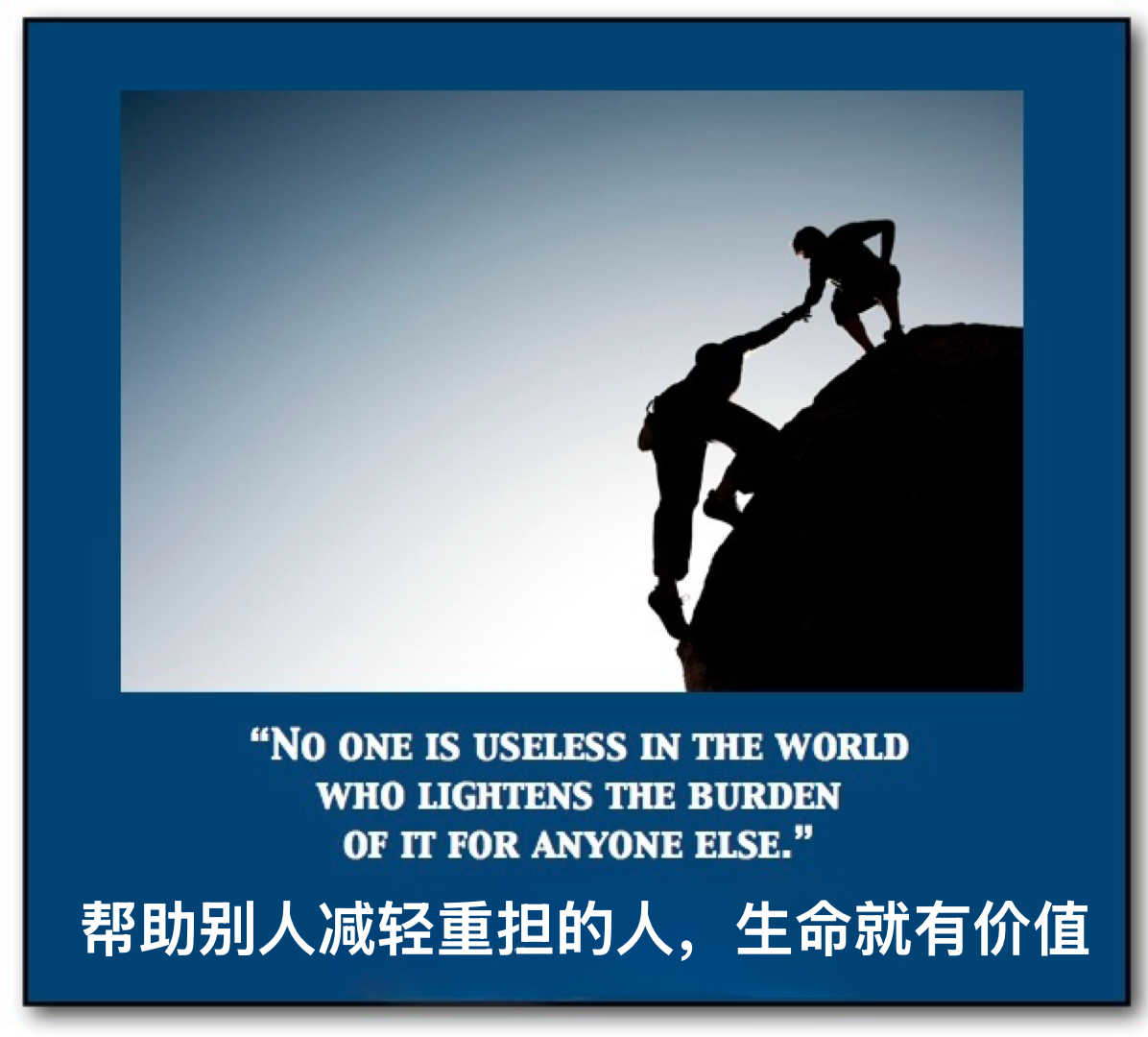
“Carry each other’s burdens, and in this way you will fulfill the law of Christ.”
Galatians 6:2
Yesterday, I visited Pastor Joseph Lim, Senior Pastor of Emerge Church, who recently underwent surgery to remove a brain tumour.
As I sat with him and prayed for his recovery, the words of Galatians 6:2 came strongly to mind:
“Carry each other’s burdens, and in this way you will fulfill the law of Christ.”
There are seasons in life when the burden becomes too heavy to carry alone. Illness, grief, uncertainty and physical weakness remind us how deeply we need God—and how much we need one another.
During my visit, I witnessed a beautiful expression of this biblical truth. Pastor Joseph is presently being cared for by the wife of one of his church elders. Her willingness to stand beside him during this vulnerable season is a quiet yet powerful demonstration of Christlike love.
Caregiving is more than meeting practical needs; it can become a sacred ministry. Every gentle touch, listening ear, prepared meal, whispered prayer and unseen act of service can reflect the heart of Jesus. We may not be able to remove another person’s suffering, but through our presence, prayers and practical care, we can help make the burden lighter.
Yet caregivers themselves also need care. Walking alongside someone through illness can bring physical exhaustion, emotional weariness and spiritual strain. Galatians 6:2 reminds us that burden-bearing is not meant to rest on one person alone. It is the calling of the whole community of faith. There are times when we give strength to others, and there are times when we must humbly allow others to strengthen us.
As I prayed for Pastor Joseph, I was reminded of a beautiful truth: the Church reflects the heart of Christ most clearly when no one is left to suffer alone.
May the Lord surround Pastor Joseph with His healing grace, strengthen and refresh those caring for him, and make each of us more attentive to those carrying heavy burdens.
 DAILY REFLECTION
17 Sept 2026
“If anyone, then, knows the good they ought to do and doesn’t do it, it is sin for them.”
James 4:17
Several years ago, I hosted a Christian brother in my home for a week. Wanting to make his stay comfortable, I also allowed him to use my spare car. I was glad to help and trusted that what was freely entrusted to him would be treated with care and appreciation.
On the final day, he told me he was running late for his flight. Without hesitation, I offered to drive him to the airport.
After dropping him off, I returned home and discovered something disappointing. After a week of use, the car was dirty, the petrol tank was almost empty, and a punctured tyre had simply been thrown into the boot—without being repaired or even mentioned to me.
What troubled me most was that something entrusted through friendship and generosity had been taken for granted.
That experience taught me an important lesson: when we take something for granted, we often stop appreciating it; and when appreciation disappears, responsibility can easily disappear with it.
When someone entrusts something to us, we have a responsibility to care for it. Gratitude should lead to good stewardship, not entitlement. Another person’s generosity should never become an excuse for our carelessness.
The same principle applies to our relationship with God.
Everything we have is ultimately entrusted to us—our time, abilities, finances, relationships, opportunities, influence and ministry. Yet when God’s blessings become familiar, we can begin to treat them as something we deserve rather than gifts of grace.
What we take for granted, we often fail to treasure. And what we fail to treasure, we may eventually fail to steward faithfully.
So let us examine ourselves. Have we taken someone’s kindness for granted? Have we neglected something entrusted to our care? More importantly, have we taken God’s blessings for granted?
When God reveals such neglect, let us not make excuses. Let us acknowledge it, make things right where possible, and ask Him to give us a grateful and responsible heart.
Faithfulness is often demonstrated in the little things—caring for what we borrow, keeping our promises, respecting another person’s generosity, and leaving what has been entrusted to us in good order.
 DAILY REFLECTION
16 Sept 2026
“Commit your way to the Lord; trust in him, and he will act. He will bring forth your righteousness as the light, and your justice as the noonday.”
Psalm 37:5-6
In every nation, questions of fairness, opportunity and equality can become deeply sensitive. Policies may be introduced to address historical inequalities or assist particular communities, yet they can also create perceptions of unfairness among others. When people feel excluded or disadvantaged because of their background, resentment can grow and national unity can suffer.
Psalm 37 offers us a better way: “Commit your way to the Lord; trust in him, and he will act.”
God cares about justice. His righteousness is not shaped by race, status, wealth or influence. His justice is compared to the noonday sun—clear, visible and impossible to hide.
For those entrusted with leadership, this is a reminder that authority is a stewardship. Good leadership should seek the welfare of the whole nation, especially those who need help, while promoting fairness, integrity and social harmony.
When we encounter situations we consider unfair, our response should not be bitterness, hatred or revenge. We can speak truth, pursue justice through peaceful and lawful means, pray for those in authority, and treat people of every community with dignity.
We must also guard our own hearts. It is easy to condemn prejudice in society while allowing resentment or prejudice to grow within ourselves. God’s justice must begin in our hearts before we demand it from others.
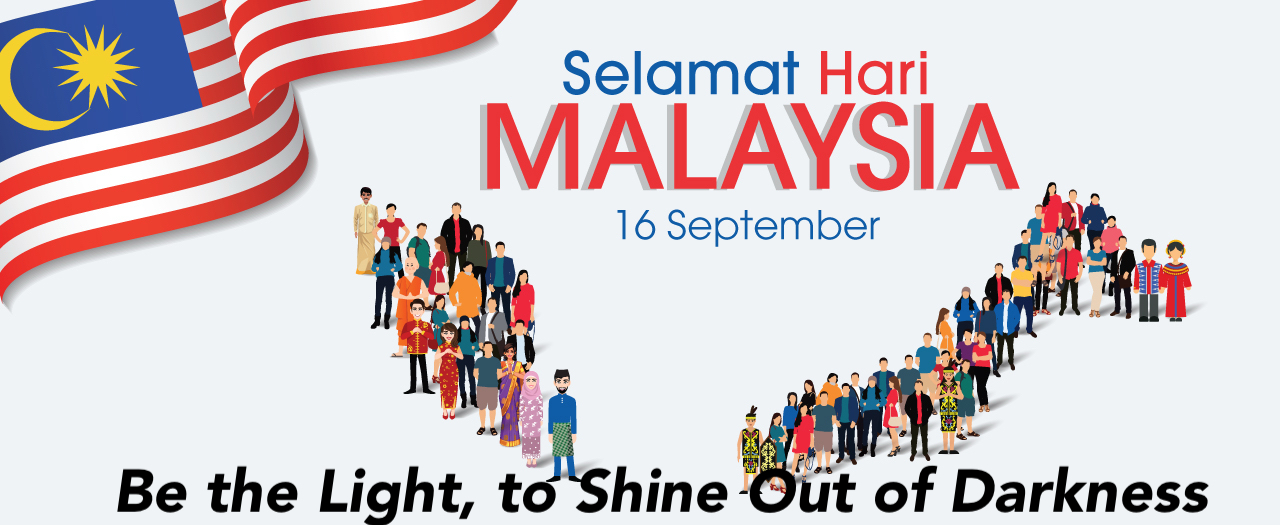
Today, as Malaysians celebrate 63 years of Malaysia, may we pray for a nation where our diversity does not divide us, but strengthens us; where leaders govern with wisdom and integrity; and where every Malaysian learns to respect and care for one another.
Let us commit Malaysia to the Lord and trust Him for a future marked by justice, righteousness, peace and unity.
May justice shine like the noonday sun, and may it begin with each of us.
 DAILY REFLECTION
15 Sept 2026
“The integrity of the upright guides them, but the unfaithful are destroyed by their duplicity.”
Proverbs 11:3
The 1MDB scandal involving former Malaysian Prime Minister Najib Razak offers a sobering modern illustration of this biblical principle.
1MDB was established with ambitious goals for national development, but it eventually became associated with one of the largest financial scandals in Malaysia’s history. Billions of dollars were misappropriated, and Najib was later convicted in Malaysia in the SRC International case involving funds connected to the wider 1MDB affair.
Beyond the enormous financial losses, however, something even more precious was damaged—TRUST.
Trust takes years to build, but it can be lost through a few wrong decisions. Once broken, it is difficult to restore.
Leadership is a stewardship. Whether we lead a nation, a company, a church, a ministry or a family, whatever authority and influence we possess have been entrusted to us. When integrity is compromised, the consequences seldom remain private. Decisions made behind closed doors can eventually affect families, organisations, communities and even an entire nation.
That is why Proverbs 11:3 says: “The integrity of the upright guides them.”
Integrity is like an inner compass. It guides us when choices are difficult, when temptation is strong and especially when no one seems to be watching. A person of integrity seeks to be the same person in private as in public.
Duplicity does the opposite. It divides the heart. We present one image to others while concealing another life within.
The danger is that compromise rarely begins with one enormous decision. It often starts with one small exception, one hidden choice or one convenient justification. When compromise is repeated, what once troubled our conscience can gradually begin to feel normal. Small compromises, left unchecked, can eventually lead to serious consequences.
This lesson is not only for politicians or national leaders. It is for every one of us.
We may never control billions of ringgit or hold public office, but God has entrusted something to each of us—our finances, relationships, responsibilities, influence, business, ministry or leadership.
The question is not how much we have been given, but how faithfully we handle what God has placed in our hands.
So let us examine ourselves honestly: Are there areas where we have begun to justify what we once knew was wrong? Are we the same person when no one is watching? Can those who trust us continue to do so with confidence?
Integrity sometimes requires difficult choices. It may mean saying no to an opportunity, admitting a mistake, keeping a promise when it is inconvenient, or doing what is right even when it costs us.
“Integrity may cost us something today, but losing it can cost us far more tomorrow.”
 DAILY REFLECTION
14 Sept 2026
"Know therefore that the Lord your God is God; he is the faithful God, keeping his covenant of love to a thousand generations of those who love him and keep his commandments."
Deuteronomy 7:9
Lin’s life changed in an instant when her husband died unexpectedly in a tragic accident. Suddenly, she was left to raise two teenage children alone. Grief overwhelmed her, fear clouded the future, and financial pressures added to the weight she was already carrying.
In her darkest moments, Lin wondered whether life was still worth living. Yet one thing kept holding her back—the love she had for her children. Even when hope seemed almost gone, that love became a fragile thread keeping her connected to life.
One morning, crushed by sorrow, Lin walked toward a high-rise building intending to end her life. But along the way, something unexpected happened.
As she passed a narrow alley, she heard a worship song coming from a nearby church. Something about the song touched her wounded heart. Instead of continuing toward the building, she entered the church and quietly sat in the back row.
That morning, Pastor Oh was preaching about the faithfulness of God—the God who does not change, who keeps His promises, and who remains with His children even through life’s darkest valleys.
The message spoke directly into Lin’s despair. When the invitation for prayer was given, she came forward trembling and weeping. She poured out her pain before God and asked Him for strength, peace and a reason to keep going.
But God’s care did not end at the altar. Women from the church surrounded Lin with prayer, encouragement and practical help. They became the hands and feet of God’s faithfulness. Slowly, Lin began rebuilding her life. In time, she opened a small laundry shop—a simple business that became a beautiful symbol of restored hope and dignity.
Lin’s story reminds us of Deuteronomy 7:9: “The LORD your God is God; He is the faithful God.”
God’s faithfulness does not mean we will never experience tragedy. It means that tragedy does not have the final word.
Sometimes God meets us through Scripture. Sometimes through a worship song. Sometimes through a pastor’s message. And often, He carries us through people who refuse to let us walk through our pain alone.
Perhaps you are facing your own season of uncertainty today. Do not measure God’s faithfulness by the difficulty of your circumstances.
“When you cannot see a way forward, hold on to the God who remains faithful—He can turn your darkest valley into a pathway of hope.”
 DAILY REFLECTION
11 Sept 2026
“What good is it for someone to gain the whole world, yet forfeit their soul?”
Mark 8:36
In recent years, Malaysians have watched with sadness as several former national leaders have faced serious corruption charges and allegations involving the misuse of public funds. Men who once occupied the highest offices of the nation have found their reputations and legacies overshadowed by questions of integrity and accountability.
Whatever the final judgment in each individual case, these events confront us with a timeless question asked by Jesus:
“What good is it for someone to gain the whole world, yet forfeit their soul?”
Jesus was not teaching that wealth, influence or leadership are wrong. The danger comes when what we possess begins to possess us—when the desire for more wealth, greater power or higher status becomes stronger than our commitment to truth and righteousness.
A person may gain position, possessions, recognition and influence and still lose something infinitely more valuable: the integrity of the soul.
This warning is not only for politicians. It is for all of us.
Every person with influence faces choices. A businessman may be tempted to compromise for profit. A leader may protect his position at the expense of truth. A Christian worker may pursue recognition rather than faithfulness. Even in ordinary life, we can slowly exchange our convictions for convenience, acceptance or personal advantage.
The greatest danger is that compromise rarely begins with one enormous decision. It often begins with small choices that gradually silence the conscience.
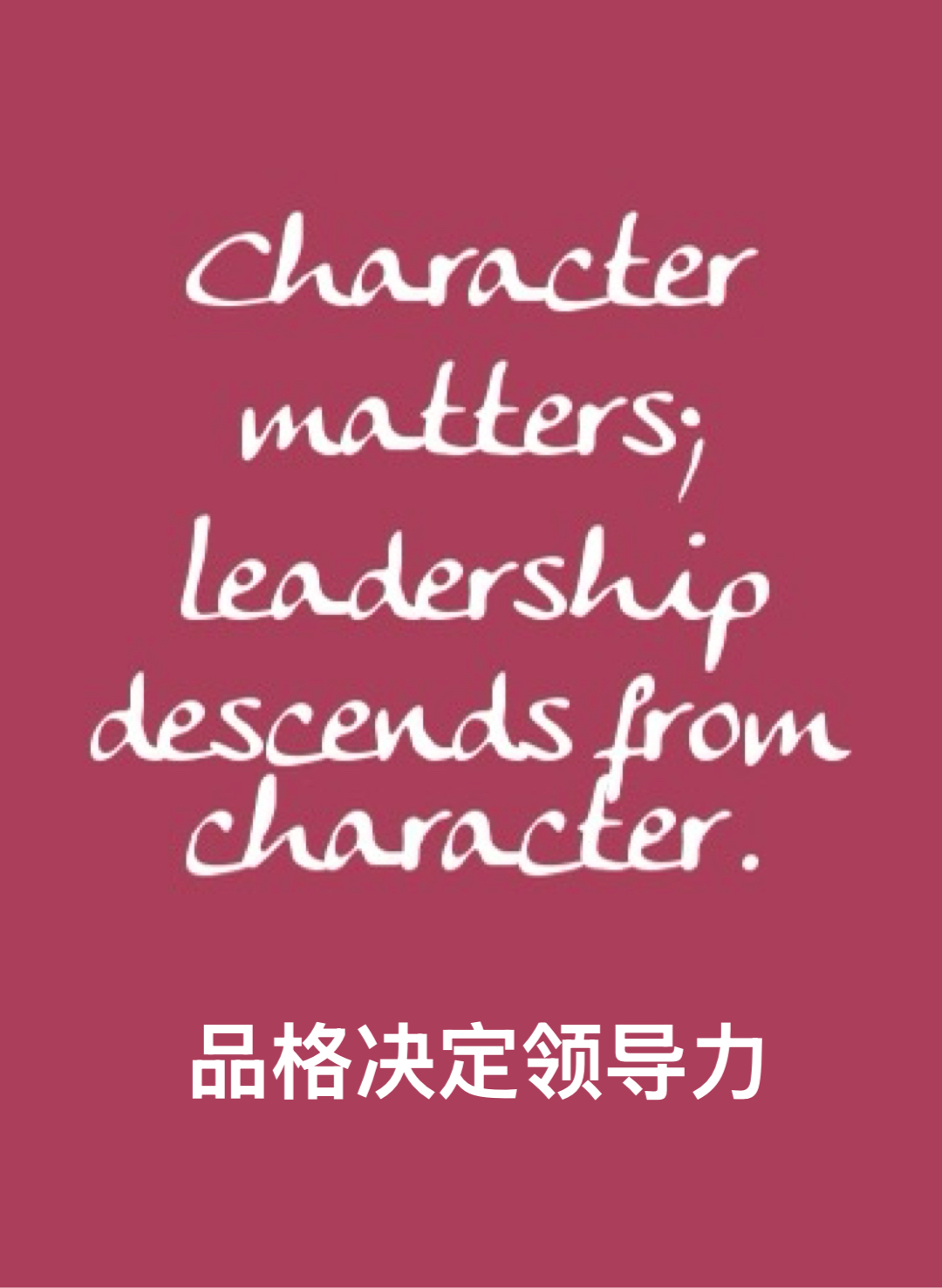
That is why character matters.
Leadership is not merely about how much authority we possess, but what we do with the authority entrusted to us. Public office, business success, ministry leadership and personal influence are all forms of stewardship. Ultimately, we are accountable not only to people, but to God.
One day, titles will disappear. Positions will be handed to someone else. Wealth will be left behind. Public applause will become silent.
But our character and our accountability before God remain.
So let us ask ourselves: What am I pursuing? What am I willing to compromise to obtain it? And what kind of legacy am I building?
True success is not gaining everything the world can offer. True success is remaining faithful to God while faithfully stewarding whatever He places in our hands.
“Gain the world if God entrusts it to you—but never at the cost of your soul.”
 DAILY REFLECTION
10 Sept 2026
“When evening came, many who were demon-possessed were brought to him, and he drove out the spirits with a word and healed all the sick.”
Matthew 8:16
Yesterday, Pastor Leong shared with me the remarkable testimony of a well-known Taiwanese singer shortly before her passing.
For more than 40 years, Pastor Leong has ministered to people facing spiritual brokenness and bondage. In recent years, his ministry has also extended online, where he connects with people seeking spiritual help and ministers to them through prayer, counselling and deliverance, even when they are separated by distance.
One such person was this Taiwanese singer.
Despite her fame, talent and success, she had endured deep spiritual and emotional struggles for many years. According to Pastor Leong, she believed that a dark spiritual oppression associated with her family history had troubled her since childhood, robbing her of health, peace and joy.
Through Facebook, she eventually connected with Pastor Leong. Although they were not physically together, he ministered to her online and encouraged her to seek God earnestly through fasting, prayer and meditation on Psalm 23.
During this period, she reported a powerful spiritual encounter. She saw visions of Jesus and a white dove, experienced intense physical trembling and began speaking in tongues. She believed that through Christ, the spiritual bondage she had endured for decades was finally broken.
Afterwards, her appetite returned, her appearance improved and, most significantly, peace and joy returned to her heart.
Her testimony brings Matthew 8:16 vividly to mind. People brought those who were suffering to Jesus, and with a word, He drove out evil spirits and healed the sick.
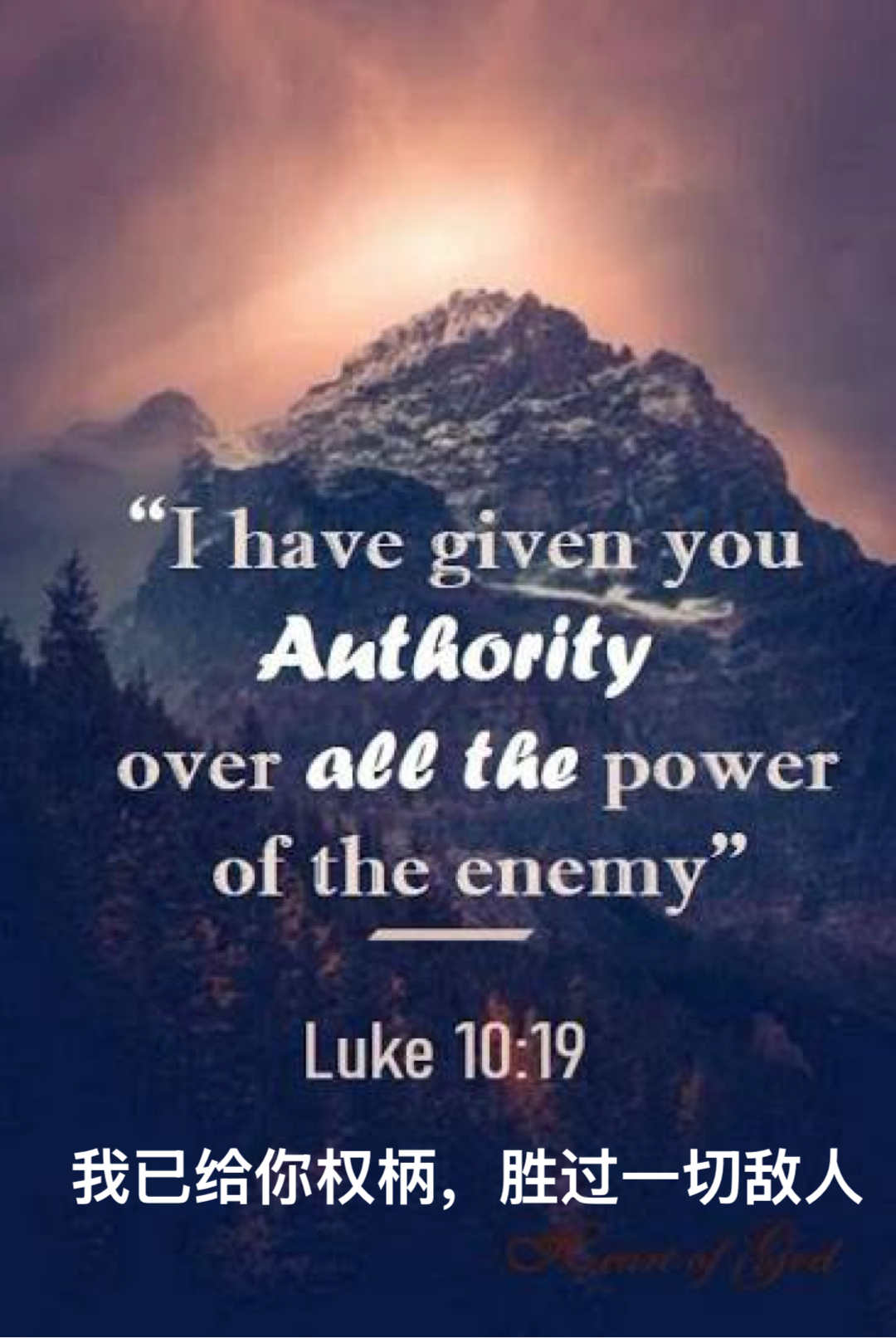
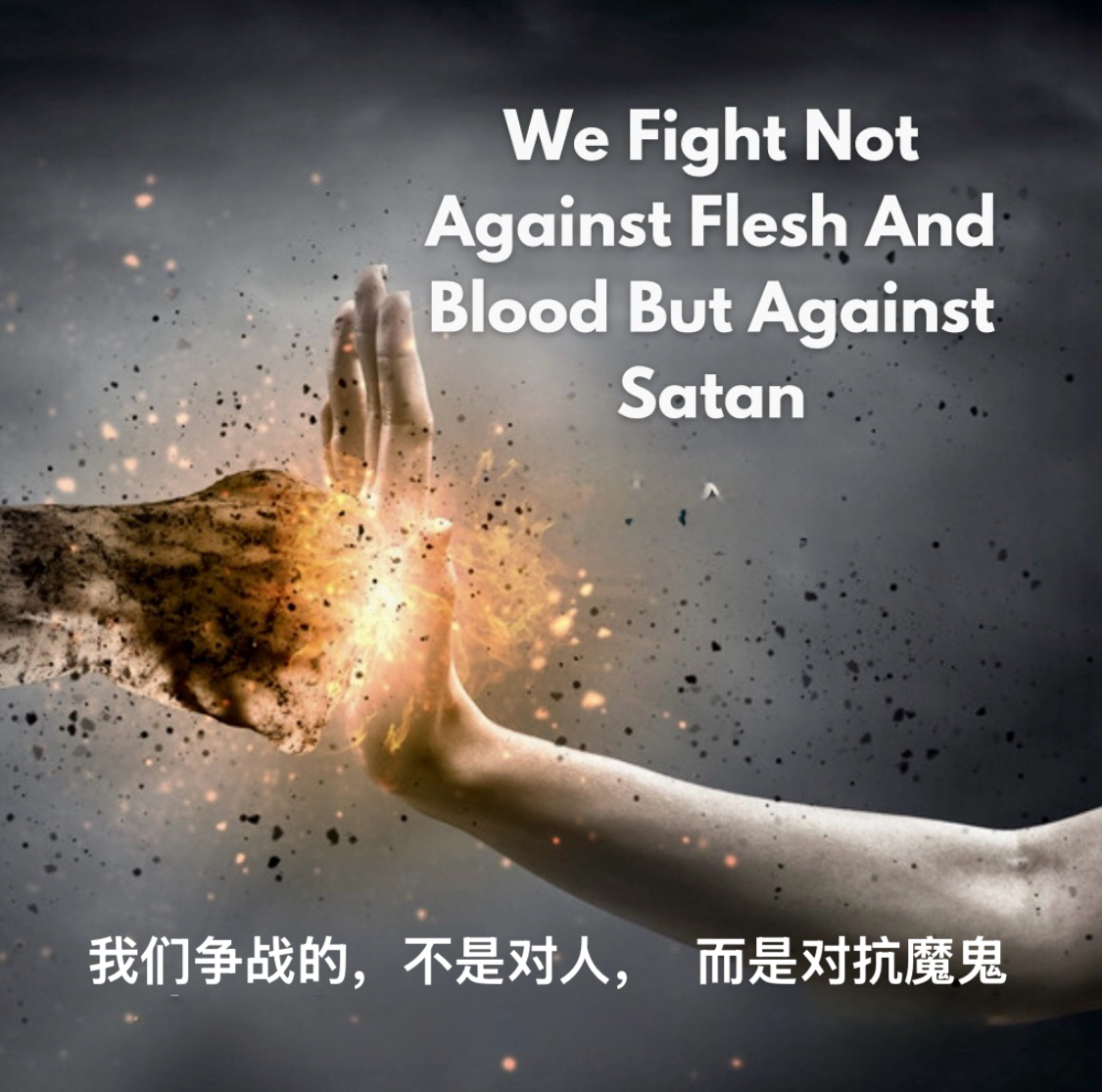
This teaches us an important truth about deliverance: the power is not in the minister, the method, the prayer, or whether ministry takes place physically or online. The authority belongs to Jesus Christ.
Pastors and believers may pray, counsel and minister, but Jesus is the Deliverer.
The gospel declares that Christ came to rescue us from sin and darkness and reconcile us to God. Through the cross and resurrection, He has conquered sin and death and given us the hope of eternal life.
Whatever battle you may be facing—physical, emotional or spiritual—bring it to Jesus, while also seeking appropriate pastoral and medical help.
Come to Jesus. Receive His grace. Trust His authority. Walk in His light.
“In Christ there is freedom, hope and eternal life.”
 DAILY REFLECTION
9 Sept 2026
“From the days of John the Baptist until now, the kingdom of heaven has been subjected to violence, and violent people have been raiding it.”
Matthew 11:12
On September 3, renowned author and Messianic Rabbi Jonathan Cahn found himself in an unexpected and frightening situation aboard American Airlines Flight 618.
According to Cahn, a conversation with the passenger beside him eventually turned to spiritual matters and the gospel. What began peacefully suddenly changed when the man became hostile, and the encounter escalated into physical aggression. Other passengers and crew members eventually intervened.
This incident reminds us of a sobering truth: the gospel of Jesus Christ will not always be welcomed.
Jesus Himself experienced both acceptance and rejection. Crowds came eagerly to hear Him, yet others opposed Him and eventually sought His death. The apostles faithfully proclaimed Christ, but many encountered ridicule, persecution, imprisonment and even martyrdom.
Matthew 11:12 reminds us that the advance of God’s Kingdom has never been without opposition. The gospel offers wonderful grace, forgiveness and hope, but it also confronts the human heart. It calls us to repentance, challenges our pride and invites us to surrender our lives to Christ.
Grace welcomes us, but truth also confronts us.
Yet when the gospel is resisted, Jesus does not call us to respond with anger or retaliation. He teaches us the way of grace.
When insulted, we need not insult in return. When rejected, we continue to love. When opposed, we remain faithful to truth. When hostility arises, we seek to reflect the character of Christ.
This does not mean Christians should remain in dangerous situations or refuse appropriate help. Christian courage is not recklessness; it is faithfulness without retaliation.
Most of us may never experience physical violence for sharing Christ. Yet we may encounter rejection, misunderstanding, criticism or strained relationships because of our faith.
We cannot control how others respond to the gospel, but we can choose how we respond to them.
May God give us courage without aggression, conviction without condemnation, and truth expressed through love. May opposition never silence our witness or harden our hearts toward those who reject us.
“The gospel may be resisted, but it cannot be defeated. Our calling is not to win every argument, but to remain faithful to Christ and reflect His love.”

DAILY REFLECTION
8 Sept 2026
“The light shines in the darkness, and the darkness has not overcome it.”
John 1:5
Yesterday, TOS Board member Bishop Solomon and I had a meaningful conversation with Pastor Arthur Leong about the unique ministry he has faithfully carried for more than 40 years.
Four decades ago, Pastor Arthur sensed God calling him to take the gospel into the red-light districts—places many would rather avoid, where brokenness, exploitation, rejection and hopelessness are often hidden behind closed doors.
He went with a simple conviction: if Jesus is the Light of the world, then His light belongs precisely where the darkness seems greatest.
What began as a courageous step of obedience became a lifetime of ministry. Pastor Arthur has since authored 24 books, sharing lessons and insights gained through decades of evangelism. His journey reminds us that one act of obedience to God can bear fruit far beyond what we initially imagine.
John 1:5 does not deny the reality of darkness. Sin destroys. Shame imprisons. Rejection wounds. Yet Scripture gives us this wonderful assurance: darkness never has the final word when Christ enters the picture.
What particularly struck me about Pastor Arthur’s ministry was his approach. He did not begin with condemnation. He began by listening.
He sat with people, heard their stories and sought to understand the pain behind their circumstances. Many had already experienced years of judgment and rejection. What they needed was someone willing to show them that God had not forgotten them.
This is how Jesus ministered. He never compromised truth, but neither did He withhold compassion. He saw beyond people’s failures to their deepest need—for forgiveness, dignity, hope and a new beginning.
Pastor Arthur’s ministry therefore challenges us: Where is the darkness God is asking us to enter with His light?
It may not be a red-light district. It may be a broken family, a struggling colleague, a lonely neighbour, someone trapped by addiction, or a person society has pushed aside.
The gospel was never meant to remain within the safety of our churches. Light fulfils its purpose when it enters the darkness.
Today, may we ask God for eyes to see those others overlook, hearts willing to listen without condemnation, and courage to carry the love and truth of Jesus wherever darkness remains.
“The darker the night, the more clearly the Light of Christ can shine.”
 DAILY REFLECTION
7 Sept 2026
“She is clothed with strength and dignity; she can laugh at the days to come.”
Proverbs 31:25
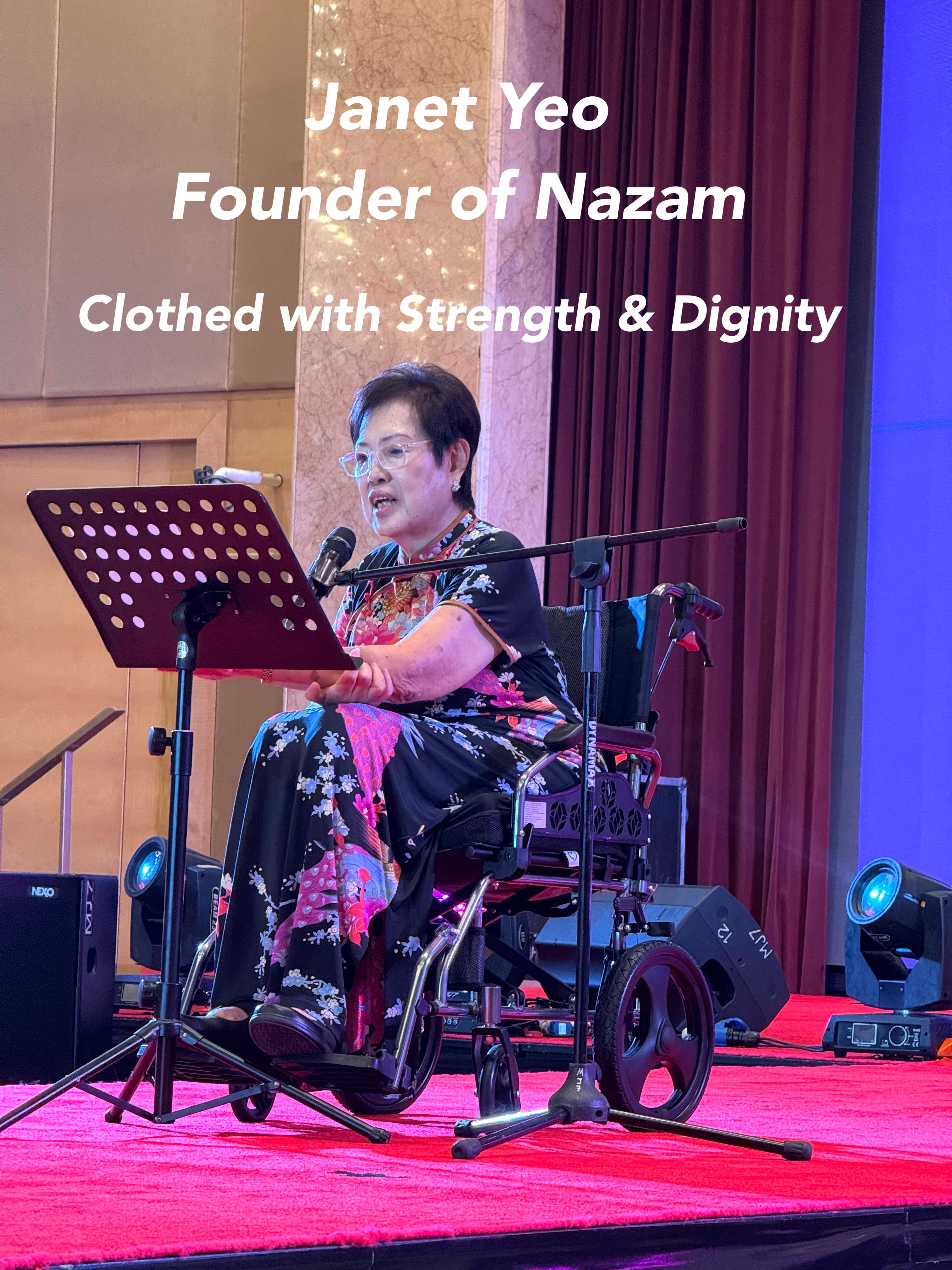
On September 5, my wife and I had the privilege of attending NASAM’s 30th Anniversary Fundraising Dinner, graciously invited by its founder, Janet Yeo.
As I watched Janet, seated in her wheelchair, speak with remarkable strength and conviction, my thoughts turned to Joni Eareckson Tada, the internationally known Christian advocate for people with disabilities. Both women remind us of Proverbs 31:25: strength and dignity are not determined by physical ability or comfortable circumstances, but by what anchors us when life becomes difficult.
Janet’s journey began with a life-changing stroke in 1989, leaving her partially paralysed and affecting her speech. What could easily have become a story of despair instead became a story of courage and purpose.
Through years of demanding rehabilitation, perseverance and God’s sustaining grace, Janet gradually rebuilt her life. But she did something more: she turned her pain into a pathway of hope for others.
In 1996, she founded NASAM to provide stroke survivors with the rehabilitation, encouragement and community she herself had desperately needed. Thirty years later, what began from one woman’s suffering has become a ministry of compassion and hope to countless others.
This teaches us an important spiritual truth: God may not always remove our difficulties, but He can give us strength to rise above them and even use our wounds to bless others.
Janet’s life reminds us that we are not defined by what happened to us, but by how, with God’s help, we respond to it.
When God clothes us with strength and dignity, we can face tomorrow with faith instead of fear, purpose instead of despair, and hope instead of defeat.
Perhaps today you are facing circumstances you never expected—a health crisis, family difficulty, financial setback, disappointment or painful loss. You may wonder, “How can I face tomorrow?”
Proverbs 31:25 gives us the answer. We face tomorrow not because we know what it holds, but because we know the God who holds tomorrow.
“When surrendered to God, even our deepest wounds can become places where His grace shines most brightly.”