Dr. Tan Tek Seng
Blog entry by Dr. Tan Tek Seng
 DAILY REFLECTION
16 June 2026
“I will worship toward Your holy temple, And praise Your name For Your lovingkindness and Your truth; For You have magnified Your word above all Your name.”
Psalms 138:2
As I reflect on the notes I wrote during Dr. Joel Beeke’s presentation on the Twelve Foundational Teachings of the Puritans at the Ritz-Carlton Hotel on 13 June 2026, my heart is stirred afresh to pursue a deeper, more Scripture-centered walk with God. The Puritans remind me that the Christian life is far more than the accumulation of biblical knowledge; it is a living relationship with God in which His truth penetrates the heart, renews the mind, and transforms the entire life.
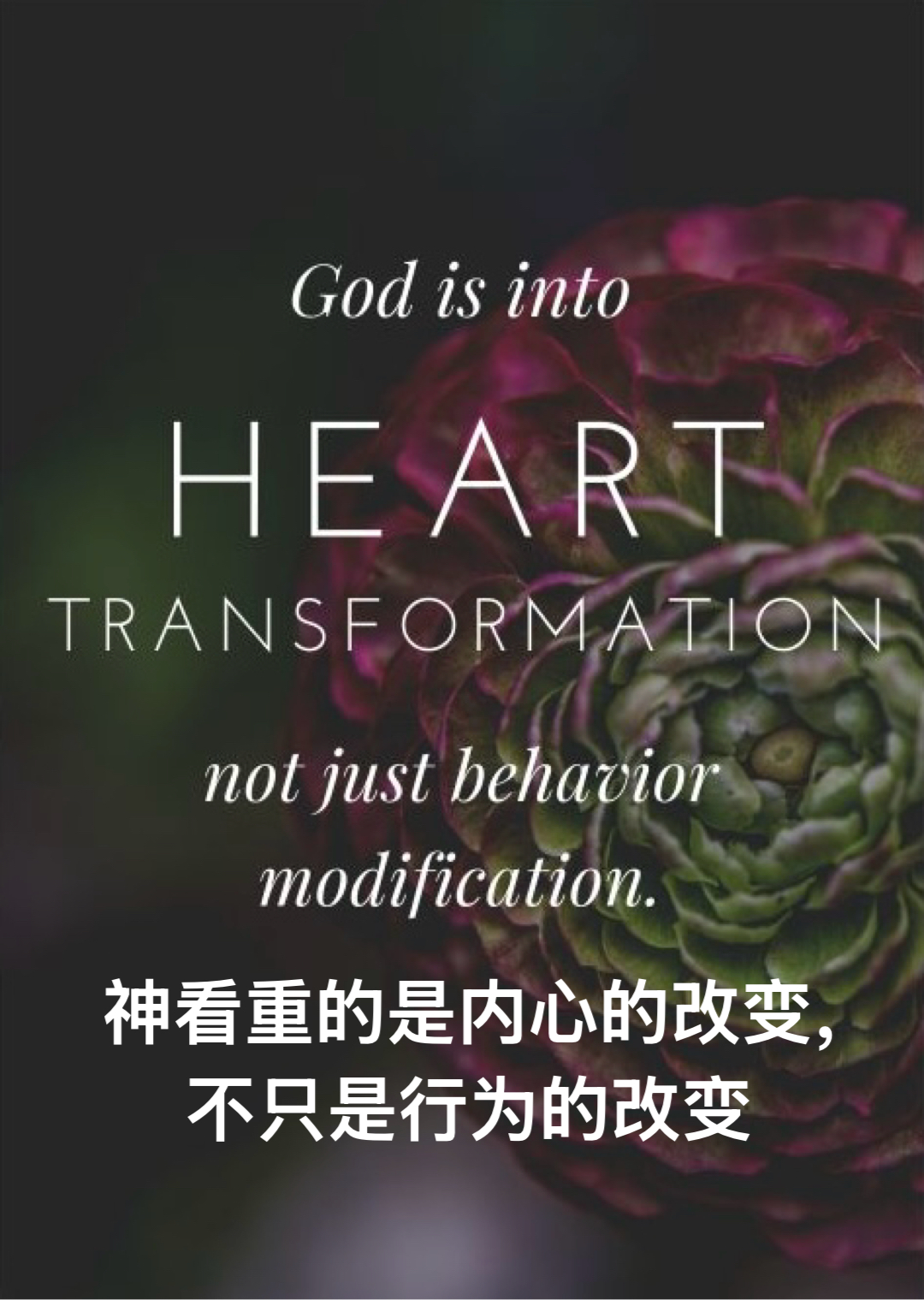
One of the greatest lessons I learn is that Christianity is not merely about knowing the truth, but about experiencing its transforming power. They challenged believers not only to understand Scripture intellectually, but also to cherish it affectionately, obey it faithfully, and live it consistently. Doctrine was God’s appointed means to enlighten the mind, warm the heart, and direct the life toward Christlikeness.
We live in an age overflowing with information, sermons, podcasts, and theological resources, yet genuine spiritual transformation is often lacking. It is possible to know much about God while remaining distant from Him. The Puritans understood that true spirituality begins when God’s truth moves beyond the mind and takes root in the heart.
The psalmist beautifully captures this conviction in today’s verse. His response is not merely intellectual acknowledgment of God’s attributes; it is heartfelt worship flowing from a personal experience of God’s steadfast love and faithfulness. What he knows about God has profoundly shaped how he loves God, trusts God, and worships God.
This is precisely what the Puritans taught us that true knowledge of God must penetrate the soul and shape our affections. Biblical truth is not meant merely to inform us; it is meant to transform us.
The Puritans often spoke of “experiential Christianity”. They believed believers should not merely understand God’s promises intellectually, but taste His goodness, trust His faithfulness, delight in His presence, and walk daily in fellowship with Him. Doctrine was meant to be lived, enjoyed, and experienced.
Psalm 138:2 therefore serves as a powerful reminder that God’s Word is not merely information to be studied, but divine truth to be treasured. When God’s Word occupies its rightful place in our hearts, it produces awe, gratitude, worship, and transformation.
“God’s truth was never meant merely to fill our minds; it was given to transform our hearts and shape our lives.”