Tyrannus Online Seminary
Site blog
 DAILY REFLECTION
28 Aug 2026
“Very early in the morning, while it was still dark, Jesus got up, left the house and went off to a solitary place, where he prayed.”
Mark 1:35
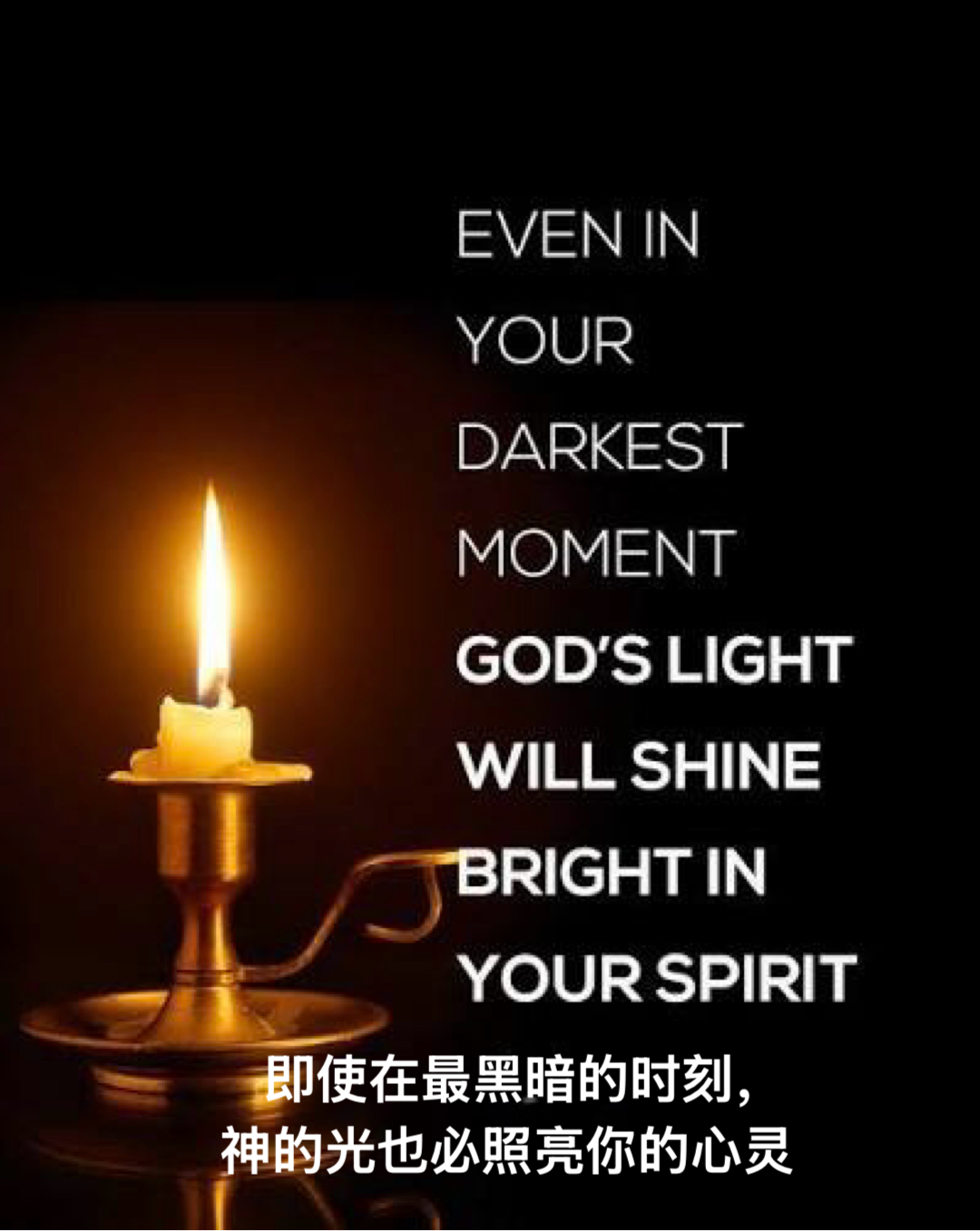
In one of the darkest seasons of my life, uncertainty weighed heavily on my heart. I could not see clearly what lay ahead, and questions filled my mind. When human wisdom seemed insufficient and the way forward uncertain, I found myself turning increasingly to God in prayer, seeking His presence, strength and direction.
Mark 1:35 became especially meaningful to me: “Very early in the morning, while it was still dark, Jesus got up, left the house and went off to a solitary place, where He prayed.”
Despite the demands surrounding Him, Jesus intentionally withdrew from the noise to spend time with His Father. If Jesus made prayer a priority, how much more do we need that quiet place with God?
During my own struggles, I began seeking God in the early hours of the morning. I brought Him my fears, frustrations and uncertainties. I did not always receive immediate answers, nor did my circumstances suddenly change. Yet something began to change within me. As I prayed and waited upon Him, His peace gradually replaced my anxiety, and His presence gave me strength to face another day.
Through His Word, God reminded me that I was not walking through the valley alone. Even when I could not see the whole path, I could trust Him for the next step. Prayer did not remove every difficulty, but it changed how I walked through them.
Looking back, I realise that some of my darkest moments became sacred places of encounter with God. What seemed like a season of uncertainty became a season in which I learned to depend more deeply upon Him.
We all need our own “solitary place.” Amid responsibilities, pressures and distractions, we need intentional moments to withdraw, pray and listen.
Time alone with God is not a luxury reserved for peaceful seasons. It is often in our darkest hours that we most need the quiet place where His presence renews our strength, settles our hearts and gives us courage for the next step.
“Prayer may not immediately change our circumstances, but it changes us.”
 DAILY REFLECTION
27 Aug 2026
“It is more blessed to give than to receive."
Acts 20:35
On the evening of the 25th, I had the privilege of joining Dr David Mahfouz and Dr Peter from Southwestern Baptist Theological Seminary (SWBTS) for dinner with leaders from several theological institutions. Though representing different seminaries and backgrounds, we shared one common desire: to strengthen theological education and equip the next generation for God’s Kingdom.
During our conversation, I invited Dr Mahfouz and Dr Peter to visit Tyrannus Online Seminary (TOS) to explore possible collaboration. What emerged was an extraordinary expression of Kingdom generosity.
SWBTS professors and lecturers were willing to offer their expertise pro bono. Academic resources could be provided freely without royalty fees. Visiting professors were even prepared to cover their own travel expenses. Consultation and academic guidance would be freely given, while student tuition fees would remain entirely with TOS to strengthen and sustain the ministry.
What touched me most was the spirit behind it. The question was not, “What can SWBTS receive from TOS?” but rather, “How can SWBTS help TOS become stronger?”
Immediately, I was reminded of Jesus’ words recorded in Acts 20:35:
“It is more blessed to give than to receive.”
Kingdom generosity is more than giving money. We can give our time, knowledge, experience, resources, influence and encouragement. Everything God places in our hands can become a blessing to others.
The world often asks, “What is in it for me?” Jesus invites us to ask instead, “What has God placed in my hands that I can use to bless someone else?”
This is the heart of Kingdom partnership. It is not about building our own name or institution, but about building God’s Kingdom together.
May we hold everything God has entrusted to us with open hands, becoming faithful stewards and willing channels of His grace.
“Kingdom generosity is what has God placed in your hands that you can use to bless others.”
 DAILY REFLECTION
26 Aug 2026
“Be alert and of sober mind. Your enemy the devil prowls around like a roaring lion looking for someone to devour.”
1 Peter 5:8
Sarah had recently surrendered her life to Christ and was filled with joy and eagerness to grow in her newfound faith. She joined a church cell group, began building relationships with other believers and openly shared glimpses of her life on social media.
Through these connections, she encountered someone who appeared spiritually gifted, caring and trustworthy. His words sounded convincing, and his apparent spirituality gradually gained her confidence. Although concerned cell members cautioned her, Sarah believed his intentions were sincere and continued to trust him.
Sadly, that trust was betrayed. What initially appeared to be spiritual guidance slowly became unhealthy influence and manipulation. Eventually, Sarah discovered that she had been deeply violated and financially deceived.
Her painful experience reminds us of Peter’s warning in today’s verse:
“Be sober, be vigilant; because your adversary the devil walks about like a roaring lion, seeking whom he may devour.”
Spiritual vigilance does not mean that we should live in fear, suspicion or distrust of everyone around us. Rather, it means cultivating discernment, wisdom and spiritual awareness.
Not everyone who speaks spiritual words necessarily possesses godly character. Spiritual gifts, charisma and impressive language should never replace the importance of integrity, accountability and the fruit of a Christlike life.
This is also why God places us within a community of believers. Sometimes others can see dangers that we cannot see ourselves. Mature believers who lovingly caution us are not necessarily trying to control us; they may be God’s instruments of protection and wisdom.
When someone has been deceived or violated, our response should never be condemnation. It should be compassion, protection, truth and restoration.
In a world where appearances can be deceiving, let us remain anchored in God’s Word, attentive to wise counsel and sensitive to the Holy Spirit.
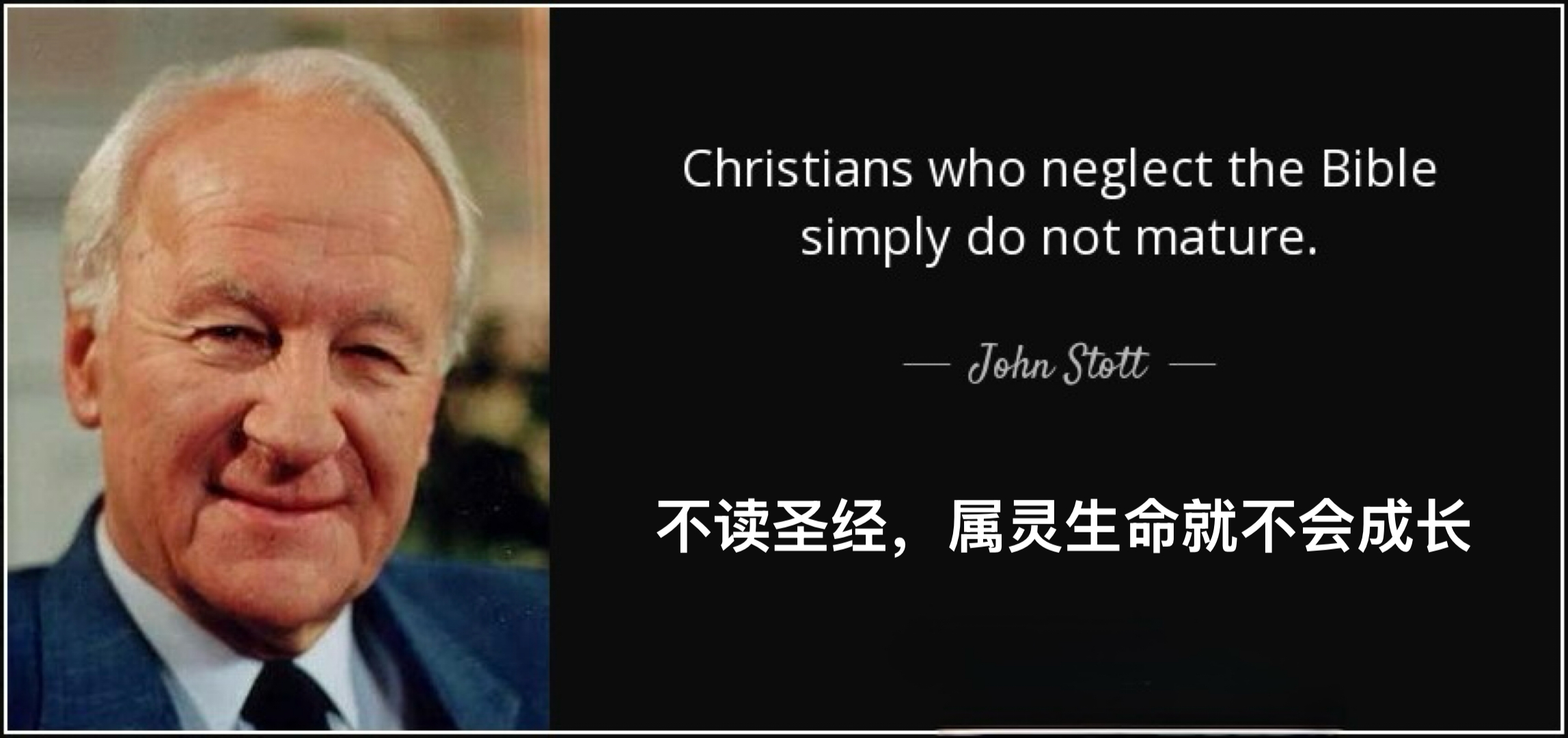
“Spiritual maturity is not reached by the passing of the years, but by obedience to the will of God.”
 DAILY REFLECTION
25 Aug 2026
“For to me, to live is Christ and to die is gain.”
Philippians 1:21
Born into a Sikh family in India, Sundar Singh experienced a dramatic transformation when, as a young man, he encountered Jesus Christ. His conversion did not merely change his religion; it changed the entire direction of his life. He surrendered himself to Christ and devoted his life to making Jesus known.
His journey was far from easy. Sundar Singh faced rejection, persecution, physical hardship and danger as he travelled through difficult regions proclaiming the Gospel. Yet suffering did not silence him. Instead, it strengthened his conviction.
He once expressed his desire “to be a Christian not only in name but also in reality.” His life reflected the words of Paul:
“For to me, to live is Christ and to die is gain.”
— Philippians 1:21
“To live is Christ” means that Christ is not merely part of our lives—He becomes the centre of our lives. Our identity is no longer defined primarily by our ambitions, possessions, careers or achievements. Instead, we begin to ask: How can my life glorify Christ?
Sundar Singh understood this. He was willing to surrender comfort, security and even personal safety because he had discovered something more precious—the presence of Christ.
But what does Paul mean by “to die is gain”?
It does not mean that Christians should seek suffering or death. Life is God’s precious gift, and we are called to steward it faithfully. Rather, Paul was expressing his confidence that death does not have the final word. For those who belong to Christ, beyond death is the promise of being with Him forever.
This truth changes how we face suffering.
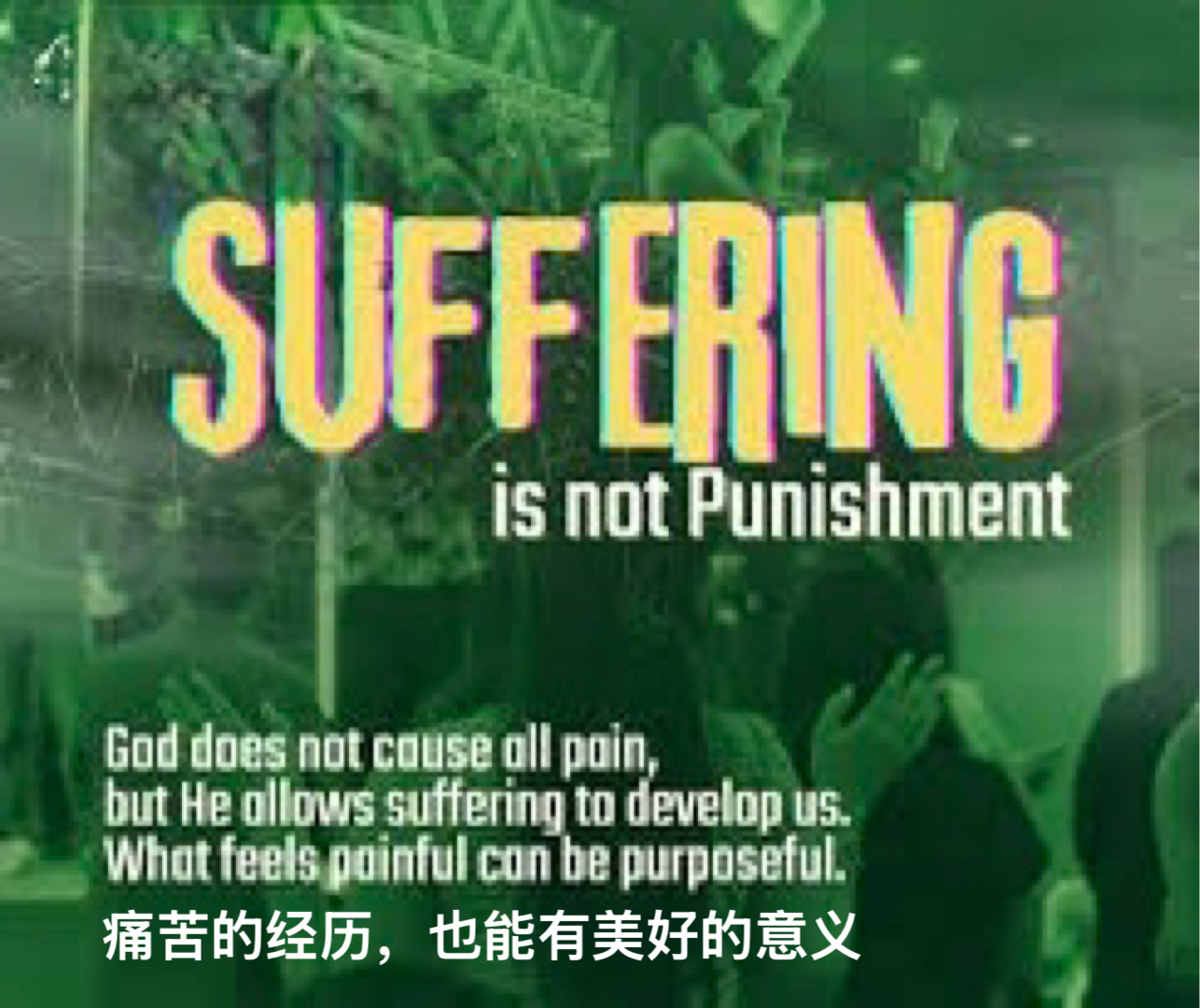
Trials are painful. Loss hurts. The future can be uncertain. Faith does not require us to deny these realities. But suffering need not destroy our hope, because our present circumstances are not the end of our story.
We may never face the dangers Sundar Singh faced, but every believer is called to the same surrender.
When life is comfortable, live for Christ.
When the road becomes difficult, hold on to Christ.
When the future is uncertain, trust Christ.
Sundar Singh reminds us that Christianity is more than carrying the name of Christ; it is allowing Christ to possess our whole life.
“When Christ becomes our life, even suffering cannot take away our hope.”
 DAILY REFLECTION
24 Aug 2026
“Do not destroy the work of God for the sake of food. All food is clean, but it is wrong for a person to eat anything that causes someone else to stumble.”
Romans 14:20
About 35 years ago, I was attending a birthday dinner for a lawyer friend. Seated at our table were several guests, including a Muslim gentleman named Mr. Syed. We were enjoying the evening together when the third dish arrived—a whole roasted piglet.
I still remember Syed’s expression. His eyes were immediately drawn to the face of the piglet, and for a moment, there was unmistakable disbelief. The dish was clearly contrary to his religious convictions and dietary laws. Yet Syed did not create a scene. He did not condemn the host or make others feel uncomfortable. He simply chose not to partake of the dish while continuing to engage warmly with everyone around the table. The food did not become more important than the friendship. That moment left a lasting impression on me
Romans 14 addresses disagreements among believers over matters such as food and observance of special days. Paul’s concern is not that convictions do not matter. They do. But our convictions should never become an excuse to despise, judge or wound another person.
Paul reminds us that food is temporary, but people matter deeply to God. We must therefore be careful not to allow something as ordinary as what we eat—or do not eat—to become a barrier that damages relationships.
This principle extends beyond the church. We live among people of different cultures, traditions and faiths. Our differences are real and should be respected, not ignored. Yet we can hold firmly to our convictions while still treating others with dignity, kindness and honour.
That evening, Syed did not compromise his beliefs. He simply refused to allow a difference over food to destroy the fellowship.
Perhaps that is the lesson I still carry today: Conviction does not require condemnation. We can remain faithful to what we believe while extending grace to those who believe differently.
And sometimes, choosing peace around a dinner table can become a quiet but powerful testimony of grace.
“Conviction does not require condemnation. We can remain faithful to what we believe while extending grace to those who believe differently.”
 DAILY REFLECTION
21 Aug 2026
“The plans of the diligent lead to profit as surely as haste leads to poverty.”
Proverbs 21:5
Before the pandemic, the son of a friend of mine was working as a pilot, while his wife was an air hostess. Together, they earned more than RM30,000 a month and enjoyed a comfortable life in a terrace house. With good careers and steady incomes, their future seemed secure.
As their income grew, so did their expectations. Confident that their earnings would continue, they decided to upgrade their lifestyle and purchased a bungalow.
Then the pandemic came.
The aviation industry was severely affected, and suddenly both husband and wife lost their jobs. Two reliable incomes disappeared almost overnight, but their financial commitments remained. What had once seemed affordable quickly became a heavy burden.
Their experience reminds me of the wisdom of Proverbs 21:5. Scripture does not condemn success, prosperity, or enjoying the fruit of our labour. Neither does it teach us to live in constant fear of tomorrow. Rather, it warns us against haste—making major decisions based only on present circumstances without carefully considering what may lie ahead.
There is an important difference between faith and presumption.
Faith trusts God while exercising wisdom. Presumption assumes that because things are going well today, they will necessarily continue tomorrow.
Financial stewardship therefore requires more than asking, “Can I afford this now?” We should also ask, “If circumstances change, can I still carry this responsibility?”
Life is uncertain. Jobs can disappear, businesses can struggle, economies can change, and unexpected crises can come. We cannot predict everything, but we can prepare wisely.
This is why biblical stewardship calls us to live within our means, avoid unnecessary debt, save for difficult seasons, and seek God’s wisdom before making major commitments.
Perhaps you are considering an important financial decision today. Do not be pressured by comparison or the desire for immediate gratification.
Pray carefully. Plan diligently. Move patiently.
God’s blessing does not require us to rush. Sometimes wisdom means having the patience to wait until the foundation is strong enough to carry the dream.
“Careful planning is a mark of wisdom, stewardship, and foresight.”
 DAILY REFLECTION
20 August 2026
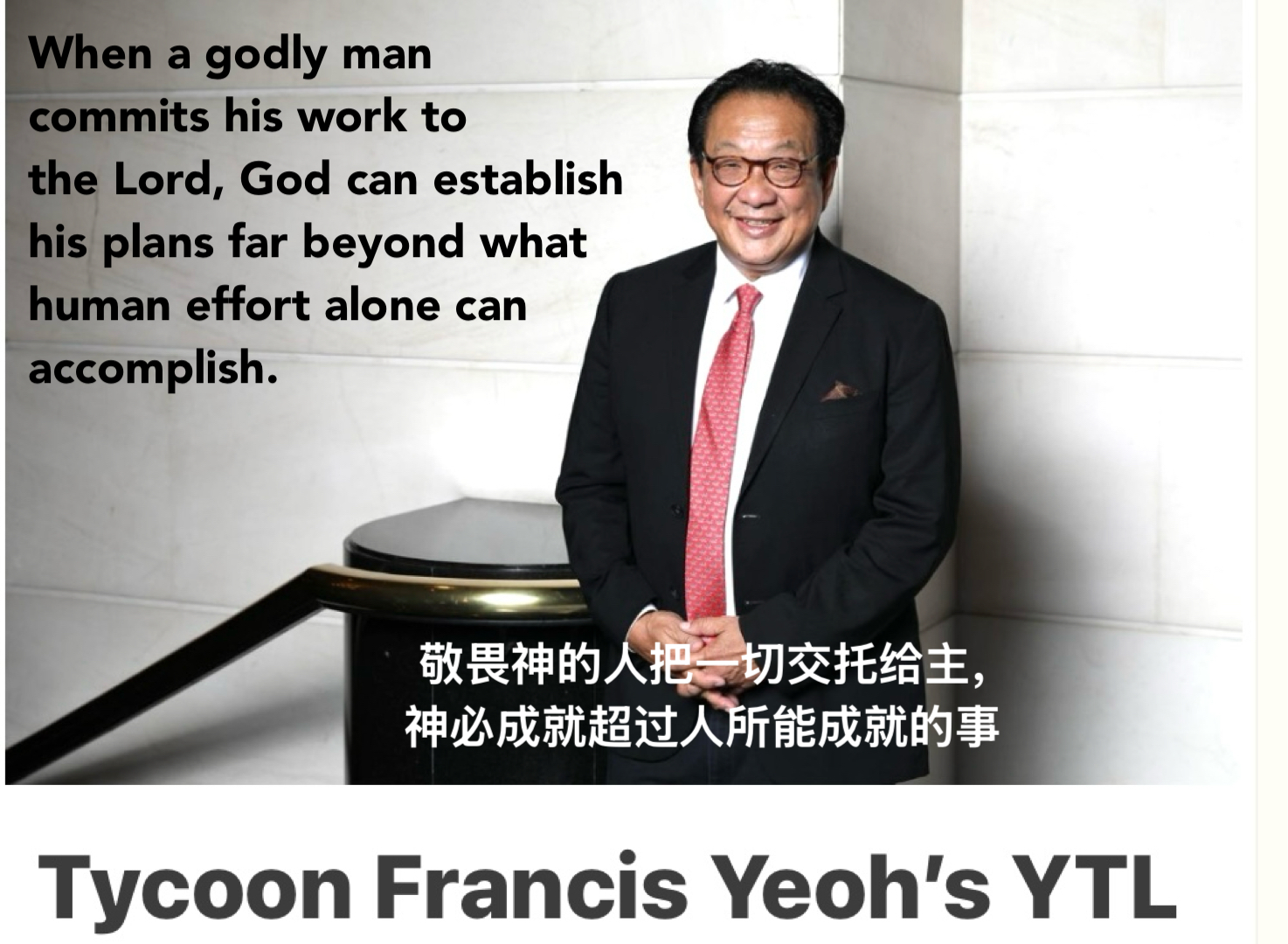
“Commit to the Lord whatever you do, and he will establish your plans.”
Proverbs 16:3
This morning, Tan Sri Sir Francis Yeoh sent me a WhatsApp message highlighting yesterday’s Forbes report: “Tycoon Francis Yeoh’s YTL Power Doubling Data Center Capacity to 2.4 Gigawatts by 2032.” As I read it, Proverbs 16:3 immediately came to mind.
This remarkable expansion is more than a story about investment, technology or capacity. It reminds me of a spiritual principle that applies to every believer: when we commit our work to God, we acknowledge that our plans ultimately depend upon Him.
The word commit carries the idea of entrusting something into another’s hands. Proverbs does not teach us to make our plans independently and then ask God to bless them. Rather, we are invited to surrender our ambitions, decisions and efforts to Him from the beginning.
A vision as bold as doubling YTL Power’s data center capacity to 2.4 gigawatts requires enormous resources, strategic foresight and human expertise. Yet Scripture reminds us that human wisdom and effort alone cannot guarantee the outcome. We plan faithfully, work diligently, and exercise wisdom—but ultimately we trust God to establish what we do.
I have known Tan Sri Francis for many years, and what encourages me is not merely his business achievements, but his consistent acknowledgement of God in his journey. It reflects an important biblical understanding of stewardship: our abilities, opportunities, resources and influence are not ultimately ours; they are entrusted to us by God.
This is where success can become significance.
God may establish our plans not simply to enlarge our own achievements, but to create opportunities, provide livelihoods, bless communities and contribute to society and future generations.
Proverbs 16:3 therefore speaks not only to business leaders undertaking great projects. It speaks to every one of us.
Whatever God has placed in your hands today—your career, business, ministry, family or responsibilities—commit it to Him.
Plan carefully. Work faithfully. Remain humble. Seek His wisdom.
Then leave the outcome in His hands.
When our work is surrendered to God, our plans become more than personal ambitions; they become opportunities for His purposes to be fulfilled through us.
“Success is not merely seeing our plans fulfilled; significance is seeing what we surrender to God established for His purpose, His glory, and the blessing of generations.”
 DAILY REFLECTION
19 Aug 2026
“Do you not know that your bodies are temples of the Holy Spirit, who is in you, whom you have received from God? You are not your own; you were bought at a price. Therefore honor God with your bodies.”
1 Corinthians 6:19-20
Last night, my good friend Clement Heng shared a meaningful and practical message at FFM Zoominar on the D’SWEETS Health Formula—seven simple principles for maintaining good health.
Clement has a deep passion for helping people understand and practise healthy living. He has authored six books on health, with his latest, Can We Live Healthily to 100?, achieving recognition in the Book of Records—a remarkable milestone that reflects his commitment to promoting healthier and more purposeful living.
As I listened to him, I was reminded that caring for our health is more than a lifestyle choice. For Christians, it is an act of stewardship and worship.
Paul makes a remarkable statement: our bodies are temples of the Holy Spirit. God has chosen to dwell within us. We are also reminded, “You are not your own; you were bought at a price.” Our lives belong to Christ, purchased through His sacrifice. Therefore, how we care for our bodies matters to God.
Clement’s D’SWEETS formula gives us a practical framework: Diet teaches us to nourish our bodies wisely; Sleep allows us to rest and recover; Water supports the body’s essential functions; Exercise keeps us active and strong; Emotion reminds us to manage stress and cultivate gratitude, forgiveness and healthy relationships; Toxin Avoidance encourages us to reduce unnecessary exposure to harmful substances; and Supplements, when appropriately used, can help address nutritional gaps.
None of these guarantees a life without sickness. Ultimately, our lives remain in God’s hands. But Scripture calls us to be faithful stewards of what He has entrusted to us.
Perhaps the deeper question is not simply, “How can I live to 100?” but “How can I live healthily and purposefully for as long as God gives me, so that I can fulfil His purposes?”
Our health affects our capacity to love, serve, work, minister and bless others.
May we therefore not merely seek to add years to our life, but life and purpose to our years—remembering that our bodies are His temple, our lives were bought at a price, and our calling is clear: Honour God with your bodies.
“Caring for our body is not just healthy living; it is faithful stewardship.”
 DAILY REFLECTION
18 Aug 2026
“Love is patient, love is kind. It does not envy, it does not boast, it is not proud. It does not dishonor others, it is not self-seeking, it is not easily angered, it keeps no record of wrongs.”
1 Corinthians 13:4-5
In 1993, when I was newly saved, I attended a Brethren church for about three years. Those were important formative years. I was faithfully taught and grounded in the Word of God, for which I remain deeply grateful. Yet as time passed, I began longing for a deeper experience of the Holy Spirit.
Then came a pivotal encounter.
My personal assistant introduced me to the late Dr Peter Tong, then President of FGB. He came to my office and prayed for me, and I experienced the baptism of the Holy Spirit. It opened a new dimension in my walk with God.
My church elders, however, held different convictions concerning this experience. After discussions, they graciously released me to attend a Pentecostal church where I could continue growing in this area of faith.
Through a brother in Christ, I was subsequently introduced to a small charismatic church. There I met Pastor Loh, a humble college president who served voluntarily as a lay pastor. We became close friends, and under his leadership I watched the congregation grow from a small gathering to nearly one hundred people.
Yet growth did not prevent conflict.
Tensions gradually developed between Pastor Loh and the church elders, a married couple who were unhappy with aspects of his leadership.
Then came a Sunday I have never forgotten.
After the service, the elders asked the congregation to remain behind. One of them produced a book in which they had recorded what they considered to be Pastor Loh’s faults and shortcomings. These accumulated grievances were then presented to justify removing him from leadership.
That incident left a deep impression upon me.
Years later, whenever I read 1 Corinthians 13, I remember that book:
“Love… keeps no record of wrongs.”
There is an important pastoral distinction here. Paul is not teaching us to ignore wrongdoing, avoid accountability, or remain silent about serious problems. Healthy churches need correction, wise leadership and sometimes difficult decisions.
But there is a difference between addressing a problem for restoration and accumulating a record for condemnation.
When we continually store another person’s failures, unresolved offenses can slowly harden our hearts. Then, during conflict, yesterday’s mistakes become today’s ammunition.
The gospel calls us to another way.
We speak truth, but we speak it in love. We address problems, but we seek restoration rather than humiliation. We forgive because we ourselves have been forgiven.
Perhaps there is a “book” in your own heart—pages containing what someone said, what they did, and how deeply they hurt you.
Ask the Holy Spirit today to help you close that book.
Love does not deny the past, but neither does it allow the past to imprison the future.
When we release resentment, extend grace and choose forgiveness, we make room for healing, reconciliation and the peace of Christ to rule in our hearts.
 DAILY REFLECTION
17 Aug 2026
“Then I said to them, ‘You see the trouble we are in: Jerusalem lies in ruins, and its gates have been burned with fire. Come, let us rebuild the wall of Jerusalem, and we will no longer be in disgrace.’”Nehemiah 2:17
There are seasons in life when something we have treasured suddenly lies broken before us. A loved one is gone. A dream is shattered. A ministry struggles. The future we once saw clearly becomes uncertain.
I experienced such a season after the sudden passing of my dear friend and ministry partner, Professor Dr Paul Cheng. His death brought deep grief, but it also left Tyrannus Online Seminary (TOS) facing an uncertain future. Important records were inaccessible, much knowledge had been carried personally by Paul, and I found myself wondering whether TOS could continue.
In that season, Nehemiah 2:17 spoke deeply to me.
Nehemiah did not ignore Jerusalem’s broken walls. He acknowledged the painful reality: “You see the trouble we are in.” There is something pastoral and comforting in those words. God does not ask us to pretend that everything is all right. Faith allows us to grieve, to acknowledge our fears and even to admit, “Lord, I do not know what to do.”
But Nehemiah did not stop at the ruins.
He said, “Come, let us rebuild.”
Those words gradually became God’s invitation to me.
In the quiet hours before dawn, I brought my fears and uncertainties to Him. Sometimes there were more tears than words. I did not have all the answers, but I began to understand that I did not need to have them all before taking the next step.
My question slowly changed from “Can I rebuild TOS?” to “Lord, will You help me rebuild?”
And faith began to rise again.
Perhaps today you are standing before your own broken wall. Something precious may have been lost, and you cannot imagine how life can ever be the same again.
Do not be discouraged by the ruins.
God meets us there.
Rebuilding does not mean forgetting what was lost. It means trusting that loss does not have to be the end of the story.
Bring your broken walls to God. Give Him your grief, your fears and your unanswered questions. Then ask Him for grace to pick up the first stone.
“You will rebuild, and what you build this time will be sturdier, because you will have built it knowing exactly what it costs to lose something.” — Georgia Clare